This page contains affiliate links. I may earn a commission at no extra cost to you.
The best way to get rid of white footed ants is to place Advion bait gel stations at each corner of the house, then treat the scale insects and aphids on nearby trees and shrubs that are feeding the colony. Indoor activity drops within a few days, and the plant treatment is what makes the result hold because white footed ant colonies can reach into the millions and the honeydew from scale insects keeps the entire network alive.
TL;DR: How To Treat And Control White‑Footed Ants
- Don’t bait inside the house. That recruits more ants in.
- Wipe up sugar spills and kill any visible indoor ants with a household cleaner or whatever ant spray you have.
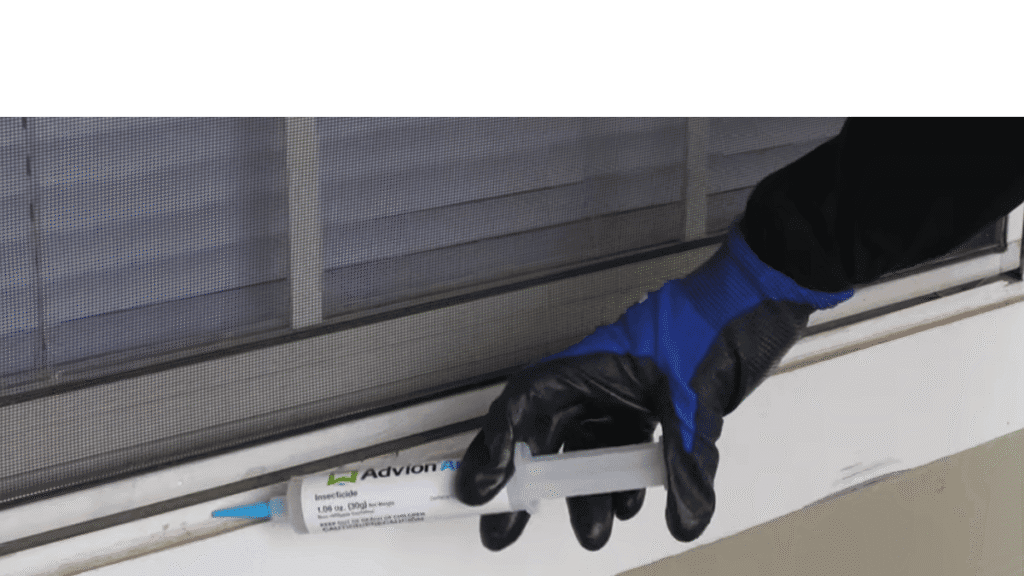
- Place an Advion Ant Bait Gel Station at each of the four corners of your house, plus one outside the wall closest to any indoor trail.
- Add stations along any trail you can see in the yard, on trees, or on shrubs.
- Wait 1 to 2 days, then treat the honeydew source on trees and shrubs with BioAdvanced 12-Month Tree & Shrub granules.
- If activity persists after 2 weeks, perimeter-spray with imidacloprid (Dominion 2L from DoMyOwn or Atticus Mineiro 2F from Amazon) around the foundation and as high into the trees as your sprayer reaches.
- Reapply bait and granules seasonally. White-footed ant colonies are huge, and ongoing pressure relief is part of the deal.
Keep reading for the full breakdown. ↓
What You Need
The bait gets them out of the house. The plant treatment is what keeps the colony from rebuilding.
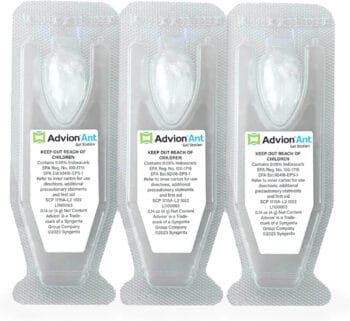
Advion Ant Gel Stations
Ready‑to‑use ant bait stations with indoxacarb for fast, full‑colony elimination indoors or outdoors.
- Targets 10+ ant species including ghost, Argentine, little black, pavement, and more
- Horizontal transfer wipes out the entire colony — queen included
- MetaActive formula activates only inside target pests
- No‑mess design — squeeze the capsule, bait stays contained
- Use anywhere ants trail: kitchens, patios, apartments, restaurants, commercial sites


Available on Amazon!
Competitive pricing + Fast Free shipping on all orders!
Advion uses indoxacarb in a sweet gel matrix. Indoxacarb is a slow-kill active that white-footed ants pick up at the station and carry back into their nest network.
A word on what to expect from bait with this species: white-footed ant colonies are unusual because they don’t share food through the colony as efficiently as other ants. A worker that eats Advion will die. The colony will be hit. But the percentage of the population that gets exposed through bait alone is lower than with Argentine ants or odorous house ants. That’s why this page is a two-product plan, not a one-product plan. Bait knocks down the foraging force fast and clears the indoor problem. The plant treatment kills the food supply and stops the colony from rebuilding. Both halves matter.
In most cases, you’ll see indoor trails clear within 3 to 7 days of the bait going out. The plant treatment is what locks in the result for the long term.
Signs You Have White-Footed Ants
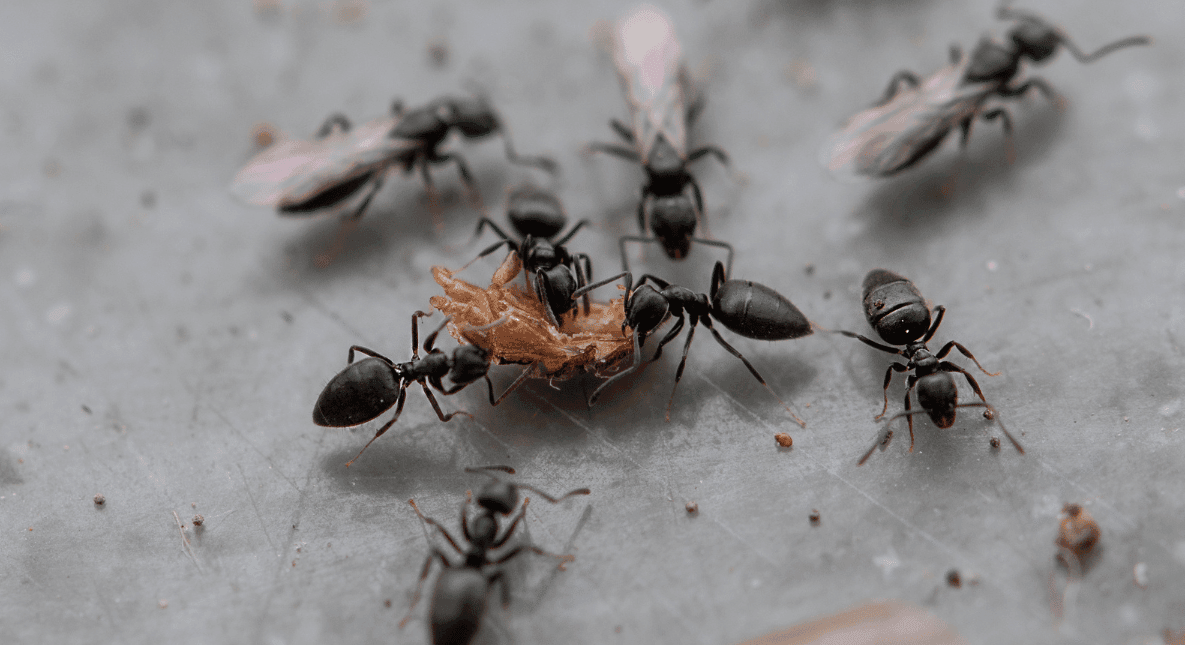
- Scattered, disorganized trails. This is the #1 field tell. White-footed ants don’t form the clean, ruler-straight highways that Argentine ants do. They wander in a loose, chaotic pattern, especially on plants and tree trunks. If the ants look like they don’t quite know where they’re going, that’s white-footed ants.
- Pale yellowish-white legs on a dark brown body. The contrast between the dark body and the pale legs is sharp and visible to the naked eye. In sunlight, moving workers have an almost ghostly look from that two-tone contrast.
- 2.5 to 3 mm long, uniform in size. All workers are roughly the same size. No major and minor castes like fire ants.
- No smell when crushed. No coconut, no vinegar, no rot. If the ants stink when squished, you’re looking at a different species.
- Found on plants and tree trunks more than on the ground. White-footed ants forage vertically. Their world is up in the canopy and on plant stems, not running across the driveway.
- Indoor activity around windows, soffits, and bathrooms. They enter high more often than they enter low.
White-Footed Ants vs Other Sweet-Feeding Ants
Three species get confused with white-footed ants constantly. The treatment for each is different, so the ID matters.
| Feature | White-Footed Ants | Argentine Ants | Acrobat Ants |
|---|---|---|---|
| Size | 2.5 to 3 mm | 2.2 to 2.8 mm | 2.5 to 4 mm |
| Color | Dark body, pale yellowish legs | Uniform light brown | Brown to black, sometimes bicolored |
| Trail behavior | Scattered, disorganized | Tight organized highways | Structured along edges |
| Where you’ll see them | Up on plants and trunks | Across ground, mulch, foundation | Branches, fascia, damaged wood |
| Abdomen | Normal oval | Normal oval | Heart-shaped |
| Defensive behavior | None | None | Raises abdomen over head |
| Smell when crushed | None | None | Faint unpleasant odor |
The one-line field test: chaotic movement plus pale legs plus heavily on plants equals white-footed ants. Disciplined trails on the ground equals Argentine. Heart-shaped abdomen flipping up when you bother them equals acrobat.
Why They’re In Your Yard
White-footed ants don’t randomly pick a property. They show up because the food and the nesting conditions are right.
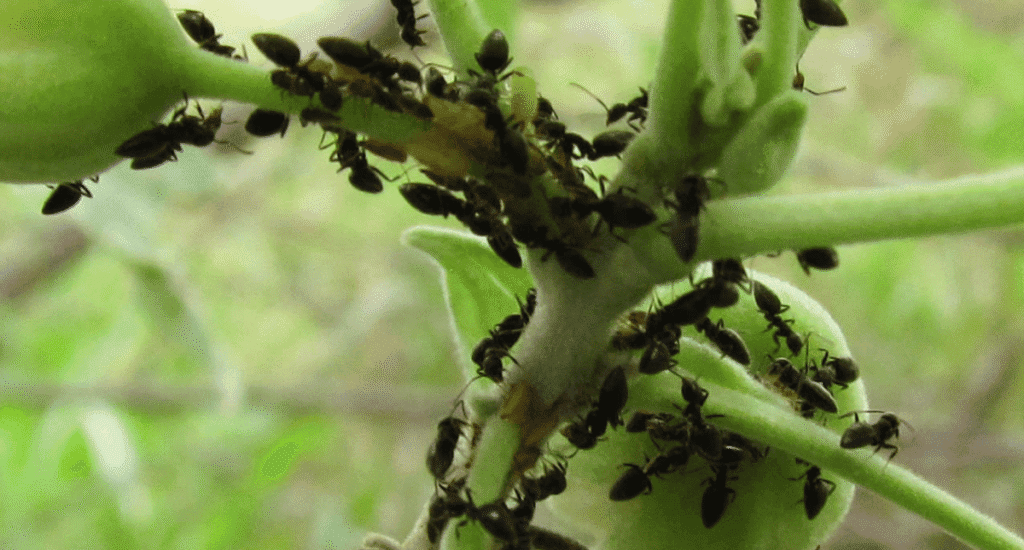
Honeydew from scale insects and aphids. This is the biggest driver, by far. Scale insects, aphids, and mealybugs on landscape trees and shrubs secrete a sugary liquid called honeydew. White-footed ants build their entire food supply around it. If you have a white-footed ant problem, there is almost always a scale or aphid issue somewhere in the landscape feeding it. The colony goes where the sugar is.
After 25 years of treating these ants, the case that sticks with me was a multi-story Florida condominium built around an open-air atrium full of mature oaks and palms. The previous company had been baiting the trails for years with no lasting result. The atrium had still air and stressed trees, which let scale populations explode unchecked. The white-footed ants were never really after the bait – they had unlimited honeydew dripping from every tree above the building. Once the trees got treated systemically and the scale crashed, the ants left the property and didn’t come back for over six years. The ants were the symptom. The scale was the disease.
- Mature trees and palms. White-footed ants nest in tree cavities, under bark, in rotted wood pockets, in palm crowns, and in the fibrous material at the base of palm fronds. A property with mature canopy near the house is a property with ideal white-footed ant habitat.
- Dense vegetation against the structure. Shrubs, vines, and ornamentals touching the house give the ants direct access to the building from their nest network up in the leaves.
- Mulch beds and groundcover near the foundation. Deeper mulch and dense groundcover create protected satellite nesting spots within feet of the house.
- Heavy rain. Saturated outdoor nests push workers indoors, usually high – through soffits, around windows, and at rooflines.
How to Get Rid of White-Footed Ants — Step by Step
Step 1: Clean Up Food and Kill Visible Indoor Ants
Wipe up sugar spills, sticky drink rings, fruit residue on counters, and anything sweet sitting out. Take the trash out. Rinse the recycling.
For any white-footed ants you can see indoors right now, wipe them up with a damp cloth and a household cleaner, or hit them with whatever household ant spray or vinegar solution you have. The point isn’t colony control. The point is to stop the visible problem in your kitchen while the real treatment goes to work outside.
Step 2: Don’t Bait Indoors
This is the rule that separates a fast win from a 3-week kitchen disaster.
White-footed ant colonies are enormous. A single colony can hold anywhere from 8,000 workers on the small end to several million in mature infestations. If you place sweet gel bait inside the house, you don’t kill the network faster. You recruit thousands more workers from outside to come in and feed. The trail thickens. The homeowner panics, sprays the trail, ruins the bait, and ends up worse off than they started.
Bait outside. Always. The workers will pick up the active ingredient from the exterior stations and the kitchen will clear within a few days.
Step 3: Place Advion Bait Gel Stations Outside
Place one Advion Ant Bait Gel Station at each of the four corners of the house, low to the ground, tucked against the foundation where the station is protected from direct sun and heavy rain but the ants can still find it.
If you see active trails in the yard, on tree trunks, along fence lines, or up shrubs, add stations along those trails too. White-footed ants forage vertically, so placing stations at the base of any tree where you see trail activity is especially effective.
If ants are already trailing inside the house, place an extra station on the OUTSIDE wall closest to where the indoor trail comes through. The foragers running inside are leaving from a nest somewhere outside, and intercepting them at that exterior point shuts the indoor trail down within a few days.
Step 4: Don’t Use Repellent Sprays on the Trails
This is the step homeowners get wrong most often with white-footed ants.
Most over-the-counter ant sprays (Raid, Ortho Home Defense, the perimeter products from big box stores) are repellent pyrethroids. Repellent sprays on white-footed ant trails do not kill the colony. The network detects the disruption, the trail reroutes, and the foraging picks back up somewhere else within a day or two.
Repellent spray is fine inside the house in the moment to handle visible ants on the counter. It is not a treatment for the colony, and using it outside on every trail you find makes the problem harder to solve, not easier.
The only spray that belongs on white-footed ant trails outside is non-repellent chemistry — imidacloprid in step 6 below. Until then, let the bait do the work.
Step 5: After 1 to 2 Days, Treat the Scale or Aphid Source
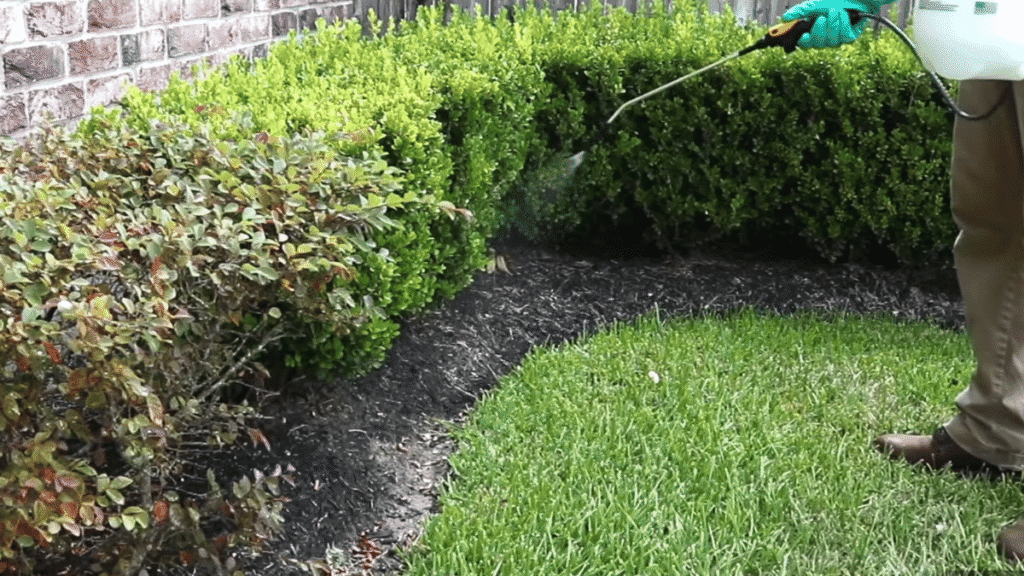
Give the bait a day or two to start moving through the network, then look at the trees and shrubs on the property for scale insects and aphids.
Scale insects look like small bumps on twigs, branches, and the undersides of leaves. They don’t move. Aphids are soft-bodied, pear-shaped, often green or black, and cluster on new growth. Sticky residue on lower leaves, sticky spots on the driveway under a tree, or black sooty mold on leaves are all signs that something above is producing honeydew. Sooty mold is the most visible flag – a dark gray or black coating on leaves and stems that looks like the plant has been sprayed with soot.
The easiest fix for a homeowner is BioAdvanced 12-Month Tree & Shrub Protect & Feed Granules. Scatter the granules around the base of any affected tree or shrub and water them in. The plant takes up the imidacloprid systemically along with the fertilizer in the product (and the fertilizer is doing real work – it’s what triggers the plant to actively pull the insecticide upward through its vascular tissue). Within several days the scale and aphids feeding on the plant die from the inside out, and the honeydew supply dries up.
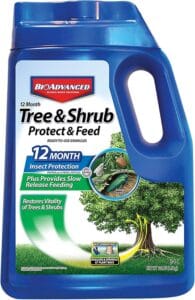
BioAdvanced 12 Month Tree and Shrub Protect and Feed
A granular, no‑spray systemic treatment that feeds your trees and shrubs while protecting them from borers, beetles, aphids, and other destructive insects for up to 12 months.
- Kills borers, beetles, aphids, adelgids, leafminers, and other common tree/shrub pests
- Protects for up to 12 months with one application
- Built‑in fertilizer helps plants absorb the systemic insecticide more effectively
- No spraying or mixing — measure, sprinkle at the base, and water in
- Ideal for trees, shrubs, and container plants needing long‑term protection
Available on Amazon!
Competitive pricing + Fast Free shipping on all orders!
Critical timing note. When the scale population crashes, the colony loses its main food source quickly and starts scouting hard for alternatives. That’s exactly when a white-footed ant colony will push hardest into a house if there’s no other food in front of them. This is why the Advion bait stations went out in step 3, before the scale treatment. The bait is staged and waiting for the hungry colony. Without it in place first, you can solve the scale problem and create a worse indoor ant problem the same week.
This product is for ornamental plants, trees, and shrubs only. Not labeled for vegetable gardens or fruit trees. If your honeydew source is on edible plants, handle those separately with an organic option appropriate for food crops.
Step 6: Perimeter Spray With Imidacloprid (Only If Activity Continues)
In most cases, the bait stations plus the BioAdvanced granules are enough. The indoor trails clear in days, the outdoor activity fades over the next 2 weeks, and you’re done.
If you’re still seeing meaningful trail activity 10 to 14 days after the bait went out, or if the property has large mature trees that won’t take up granules fast enough, perimeter spraying with an imidacloprid concentrate covers the bases the other steps can’t reach.
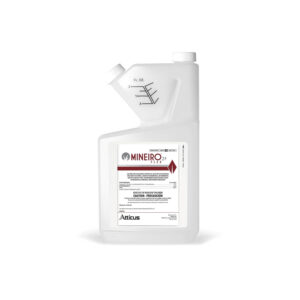
Mineiro 2F Flex (Imidacloprid 21.4%)
Non‑repellent concentrate for ants, perimeter control, termites, and systemic treatment of scale and other plant pests.
- Perimeter ant treatment — Mix 0.6 fl oz per gallon of water. Apply around the base of the home, entry points, and along foundation edges.
- Ant trails on vegetation — Mix 0.6 fl oz per gallon and spray shrubs, branches, and plant trails leading to the home.
- Scale, aphids, mealybugs on ornamentals — Mix 0.6 fl oz per gallon and spray foliage, undersides of leaves, and stems.
- Systemic root drench for scale — Mix 0.2–0.4 fl oz per gallon and apply to soil at the base of affected plants.
- Non‑repellent mode of action — Ants don’t detect it, so they continue foraging and transfer it through the colony.
- Great for honeydew‑dependent ants — Ideal for Argentine, White‑Footed, and Acrobat ants that follow plant trails.
Available on Amazon!
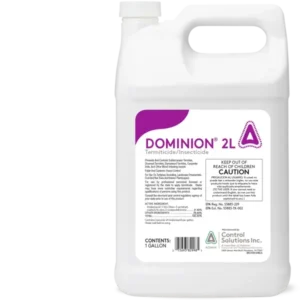
Dominion 2L (Imidacloprid 21.4%)
Professional non‑repellent concentrate for ants, termites, and plant pests like scale, aphids, and mealybugs.
- Perimeter ant treatment — Mix 0.6 fl oz per gallon. Spray around the foundation, entry points, and along edges where ants trail.
- Ant trails on vegetation — Mix 0.6 fl oz per gallon and spray shrubs, branches, and plant trails leading to the home.
- Scale, aphids, mealybugs on ornamentals — Mix 0.6 fl oz per gallon and spray foliage, undersides of leaves, stems, and trunks.
- Systemic soil drench for scale — Mix 0.2–0.4 fl oz per gallon and pour at the base of affected plants.
- Termite trenching — Mix 0.8 fl oz per gallon and apply 4 gallons per 10 linear feet of trench.
- Non‑repellent mode of action — Ants don’t detect it, so they continue foraging and transfer it through the colony.
- Ideal for honeydew‑dependent ants — Excellent for Argentine, White‑Footed, and Acrobat ants.
Competitive pricing + Fast Free shipping on all orders!
These two products are the same active ingredient at the same concentration. Pick whichever is cheaper or in stock. Mix at the label rate (usually around 0.6 fl oz per gallon for general ant control, but read your label) in a pump or battery-powered sprayer.
Where to spray:
- A 3-foot band along the foundation perimeter, 3 feet up the exterior wall
- Around all windows, doors, soffits, and utility entry points
- Mulch beds and landscape borders touching the structure
- Tree trunks, and as high into the canopy as your sprayer reaches
- Tree crotches, palm crowns, and any visible rotted wood pockets
- All shrubs, ornamentals, and vines touching or near the house
- Fence lines where trails are visible
On tree height: white-footed ants live up in the canopy with the scale. A foundation-only spray leaves the satellite nests 20 to 30 feet overhead completely untouched. A battery-powered backpack sprayer that reaches 25 to 30 feet into the canopy is what professionals use for properties with large trees, and it’s worth renting or borrowing one if your situation calls for it.
Imidacloprid is non-repellent. The ants don’t detect it, so they walk through it, pick up the active ingredient, and carry it back into the network like the bait does. Used together, the bait, the granules, and the perimeter spray hit the colony from three directions.
What Doesn’t Work
A few things that come up over and over online that waste time or make white-footed ants worse.
- Bait alone, indoors, on the counter. This is the #1 reason DIY white-footed ant treatments fail. White-footed ants don’t share food through the colony as well as other ants, and indoor baiting just recruits more workers in. The treatment looks like it’s working for a week and then comes right back, often worse than before. Bait outside.
- Spraying Raid or other repellents on outdoor trails. Causes the trail to reroute. Doesn’t kill anything that matters. Save the household ant spray for emergencies inside.
- Treating only the foundation while ignoring the trees. The colony lives in the trees, not at ground level. Foundation-only treatment is treating the highway the ants drive on, not the city they live in. The scale insects in the canopy are the city. If the trees never get treated, the colony never goes away.
- Single-mound or single-tree treatment. White-footed ant colonies are polydomous — one colony runs many connected satellite nests at once. Treating just the one spot where you can see them leaves all the others untouched.
How to Keep White-Footed Ants From Coming Back
Ranked by impact.
- Treat trees and shrubs for scale and aphids every spring. Single biggest long-term lever. A landscape without active honeydew production is dramatically less attractive to white-footed ants. Make BioAdvanced granules part of your spring routine and most problems never restart.
- Trim all branches and vegetation away from contact with the house. No branch should touch the roof, siding, or gutters. White-footed ants travel down branches onto the structure. Cut the bridge and you cut the indoor access.
- Pull mulch back 6 to 12 inches from the foundation. Creates a dry zone they don’t want to cross and removes a big chunk of satellite nesting habitat.
- Address palm trees specifically if you have them. Palm crowns and frond bases are prime white-footed ant nesting sites. Treat palms with BioAdvanced granules around the root zone or have a tree service apply a systemic injection.
- Reapply the perimeter spray seasonally. In rainy seasons, refresh the perimeter every 30 to 45 days. Imidacloprid breaks down faster in heavy rain and irrigation.
- Inspect potted plants before bringing them indoors. A potted plant can carry a small white-footed ant satellite right into your living room. Check the pot, the saucer, and the soil surface before any move-in.
Edge Cases Where DIY Hits a Wall
For white-footed ants themselves, DIY handles every case I’ve seen in 25 years when the bait + plant treatment approach is followed correctly. The colonies are huge, but the strategy is straightforward and the products are widely available.
Where DIY genuinely struggles is reaching the canopy of large mature trees. White-footed ant nests in tree cavities 30 feet up don’t get touched by ground-level treatment of any kind. The BioAdvanced granules solve this through systemic uptake (the plant carries the insecticide upward over a week or two), but if you’re impatient or if the trees are stressed and not absorbing well, a tree care company with a high-reach sprayer or a systemic injection rig is a reasonable call for that specific job. The perimeter and bait parts you can do yourself.
The other thing to watch for: in neighborhoods with continuous tree canopy and multiple untreated properties, white-footed ant pressure rebuilds over time as colonies expand from adjacent yards. That’s not a failure of your treatment. That’s the geography, and it requires ongoing seasonal maintenance rather than a one-time fix.
Domion 2L Label – Domion 2L MSDS
Advion Ant Bait Gel Label – Advion Ant Bait Gel MSDS
FAQ’s: How Do I Get Rid Of White-Footed Ants?
IDENTIFICATION & BEHAVIOR
What are white‑footed ants?
White-footed ants (Technomyrmex difficilis) are a dark-bodied ant species with distinctive pale, yellowish-white legs and feet. They form massive colonies — up to 3 million workers — across multiple satellite nesting sites in trees, shrubs, and organic debris. They rely heavily on honeydew from scale insects and aphids and do not share food efficiently through the colony, which is the core reason bait-only treatments fail on this species.
Why are white‑footed ants so hard to get rid of?
They build multiple satellite colonies, rely heavily on honeydew from plant pests, and don’t share bait well. This makes bait‑only treatments ineffective and allows them to spread quickly through landscaping.
Do white‑footed ants bite or sting?
No. They do not bite or sting and are considered a nuisance pest rather than a harmful one.
Where do white‑footed ants usually nest?
They commonly nest in:
- moisture areas like AC units or irrigation
- mulch beds
- hedges and shrubs
- trees and tree crotches
- potted plants
- wall voids
How do I identify white-footed ants?
Look for small dark ants with pale, yellowish-white legs that contrast clearly against the body. Their movement is scattered and disorganized — they do not form tight, organized trails the way Argentine ants do. They are concentrated on vegetation rather than ground level. If ants are moving chaotically across a plant with sticky leaves and sooty mold, white-footed ants are the most likely candidate.
How do white-footed ants differ from Argentine ants?
Argentine ants form tight, organized highway trails and are ground-focused — you find them in mulch, soil, and pavement edges. White-footed ants move in scattered, disorganized patterns and concentrate in vegetation. Argentine ants share food efficiently through the colony, making bait a viable primary treatment. White-footed ants do not, making bait a limited support tool rather than a solution.
How do white-footed ants differ from acrobat ants?
Acrobat ants have a distinctive heart-shaped abdomen and raise it over their head when disturbed. White-footed ants show no such behavior. Acrobat ants are associated with moisture-damaged wood. White-footed ants are associated with honeydew-producing plant pests in trees and shrubs.
Do white-footed ants bite or sting?
No functional stinger. Bites are possible but uncommon and of no medical significance. They are a nuisance and structural pest rather than a health threat.
INDOOR ACTIVITY
Why are white‑footed ants coming inside my house?
They enter homes when outdoor colonies grow too large, when honeydew sources shift, or when branches or vegetation touch the structure and create easy access points.
Should I bait indoors for white‑footed ants?
Only if you see active trails inside. Use Ant‑Trax or Advion Ant Gel in tiny placements near trails. If you don’t have indoor activity, skip the bait — baiting when you don’t need to can pull ants into new areas.
Will spraying indoors get rid of white‑footed ants?
No. Indoor sprays may kill the ants you see, but they won’t affect the outdoor colonies. The real fix is treating the exterior and the vegetation they use as highways.
TREATMENT & PRODUCTS
What’s the best bait for white‑footed ants?
Use Ant‑Trax Liquid Ant Bait or Advion Ant Bait Gel. These work well for indoor trails, but bait alone will not eliminate the colony.
What should I use to spray for white‑footed ants?
Use a non‑repellent insecticide so the ants walk through it without detecting it:
- Taurus SC — mix 0.8 fl oz per gallon of water
- Dominion 2L — mix 0.6 fl oz per gallon of water
Should I add a surfactant to my spray mix?
A surfactant is optional but helpful. It improves coverage and helps the spray stick better to bark, leaves, and rough surfaces. The treatment still works without it, but a surfactant gives you a slight performance boost.
Do I need to spray trees and shrubs too?
Yes. White‑footed ants commonly nest in trees and use branches as bridges into the home. Treating vegetation is essential for long‑term control.
What is the best treatment for white-footed ants?
Atticus Mineiro 2F at 0.6 fl oz per gallon applied around the full foundation perimeter and directly to infested plants, combined with a surfactant and 0-0-25 liquid potassium to drive systemic uptake and eliminate honeydew-producing insects. Advion Ant Bait Gel is used indoors only if ants are actively trailing inside.
Why does bait fail on white-footed ants?
Because white-footed ants do not share food efficiently through the colony. Workers that feed on bait die, but the active ingredient does not travel meaningfully to queens and the rest of the colony. Activity drops temporarily and then rebuilds from the untouched satellite colonies and queens. Bait kills the ants that find it — it does not reach the colony producing them.
Should I bait indoors for white-footed ants?
Only if ants are actively trailing indoors. Place bait near the entry point rather than inside the foraging area. If ants are not foraging indoors, skip indoor bait entirely and focus on the outdoor treatment program.
HONEYDEW & PLANT ISSUES
Why are white‑footed ants all over my plants?
Because those plants have aphids, scale, or mealybugs producing honeydew — the ants’ primary food source. The ants are farming those pests opportunistically, visiting them to harvest the sugary liquid they produce. This is why plants with sooty mold and sticky leaves consistently have white-footed ants on them.
How do I know if my plants have honeydew pests?
Look for:
- ants trailing up and down the same plant every day
- sticky leaves
- black sooty mold
- clusters of small insects on stems
How do I treat the plants to eliminate the honeydew source?
Spray with Atticus Mineiro 2F at 0.6 fl oz per gallon mixed with a surfactant and 0-0-25 liquid potassium. The surfactant ensures coverage on waxy leaves. The 0-0-25 drives active systemic uptake through the plant’s vascular system. For trees too large to spray, use BioAdvanced 12-Month Tree and Shrub Protect and Feed Granules watered into the soil — the plant food component in the granules drives uptake the same way 0-0-25 does in a spray mix.
Why is vegetation treatment critical?
Because the colony lives in the trees and shrubs, not at foundation level. Treating the foundation without treating the vegetation is treating the ant’s travel route, not their home or food source. The honeydew-producing scale and aphid infestations on nearby plants are what sustain the colony. Eliminating those pests removes the reason the ants are on the property in the first place.
PREVENTION & LONG‑TERM CONTROL
How do I prevent white-footed ants from coming back?
Treat scale and aphid infestations on plants annually. Maintain a non-repellent perimeter treatment on the foundation and vegetation. Trim all branches and plants away from the structure. Reduce mulch depth and organic debris near the foundation. Reapply after significant rainfall. Keeping the honeydew source managed is the single most effective long-term prevention measure available.
Do white‑footed ants return every year?
They can if the outdoor environment stays favorable. Treating vegetation and honeydew pests, along with regular perimeter treatments, greatly reduces recurring activity.
Can landscaping bring white‑footed ants onto my property?
Yes. They often spread through new mulch, potted plants, and landscaping materials. Inspect new plants and keep mulch thin to reduce the risk.
Why do white-footed ants keep coming back?
Usually because the honeydew source on nearby plants was not eliminated, the vegetation was not treated as part of the control program, or pressure from neighboring properties is rebuilding the population. White-footed ants return when the conditions that support them have not changed.
Ant Identification & Control Guides
These species often show up together in homes – especially kitchens, bathrooms, and moisture‑heavy areas. Use these guides to compare trails, food preferences, and nesting behavior so homeowners can ID the ants correctly and choose the right treatment.
Browse All Ants
Full library of ant identification, behavior, and treatment guides.