TL;DR: How To Treat And Control Little Black Ants
Step 1 — Bait the active trails.
Place small dots of Advion Ant Bait Gel along visible trails, cracks, and entry points. Use gel stations if you prefer a contained setup.
Step 2 — Treat plants producing honeydew.
Inspect nearby landscaping for sticky leaves, shiny residue, scale, aphids, mealybugs, or black sooty mold. Treat infested plants with Dominion 2L plus a surfactant so it spreads and sticks properly.
Bait indoors. Fix the honeydew outdoors.
That’s what stops them long-term.
Understanding Little Black Ant Behavior
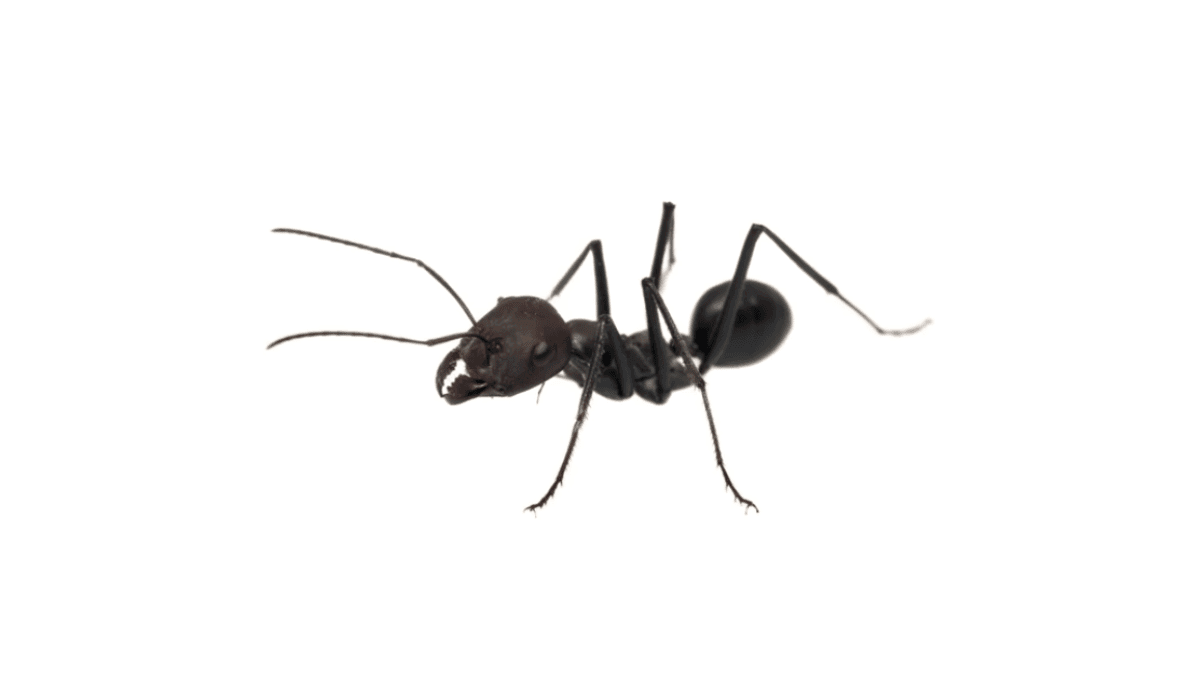
Little black ants may be small, but their colonies are not.
They commonly:
- Form large colonies
- Have multiple queens
- Prefer sweet foods
- Feed heavily on honeydew
They don’t sting, and they aren’t dangerous. But once they establish steady trails, they can be persistent.
Most indoor activity traces back to one thing: sugar.
And very often, that sugar is coming from outside.
Why Little Black Ants Keep Coming Back
Little black ants are strongly attracted to honeydew — the sugary liquid produced by:
- Scale insects
- Aphids
- Mealybugs
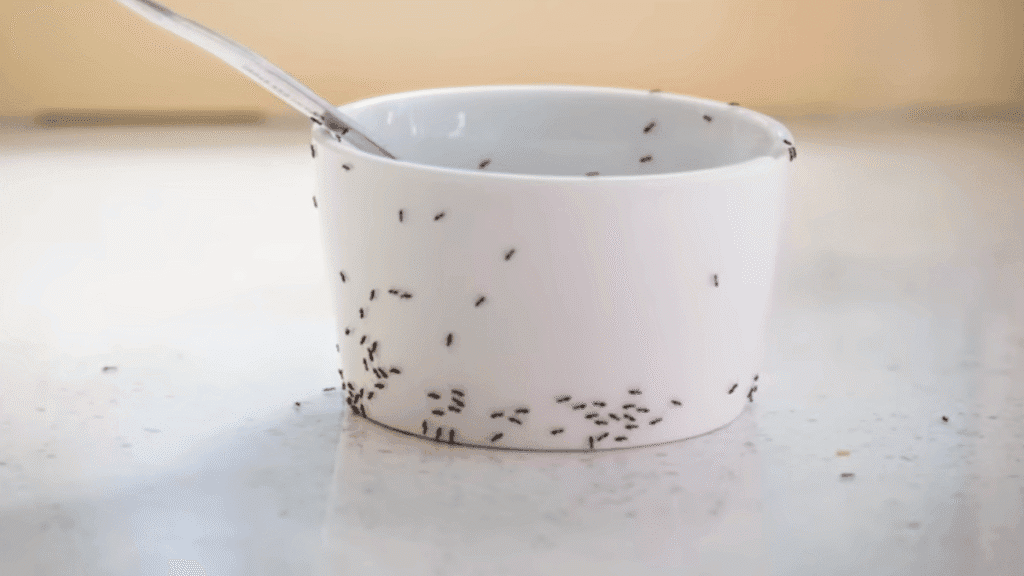
When those plant pests are active, ants harvest honeydew constantly.
If you eliminate the ants indoors but ignore the plant pests, the trails return.
That’s why a two-part strategy works best.
Step 1 — Use Advion Ant Bait Gel on Active Trails
For little black ants, bait is far more effective than spraying.
Advion Ant Bait Gel works especially well because it’s highly attractive and transfers efficiently through multi-queen colonies.
How to Apply the Gel
- Place small dots along active trails
- Apply in cracks and crevices
- Position bait near entry points
- Use gel stations if you want a cleaner setup
- Do not spray near the bait
Spraying near bait interferes with feeding.
Because these ants share food between workers and queens, the gel spreads deep into the colony — including areas you’ll never see.
That’s why bait works better than surface sprays.
Advion Ant Bait Gel
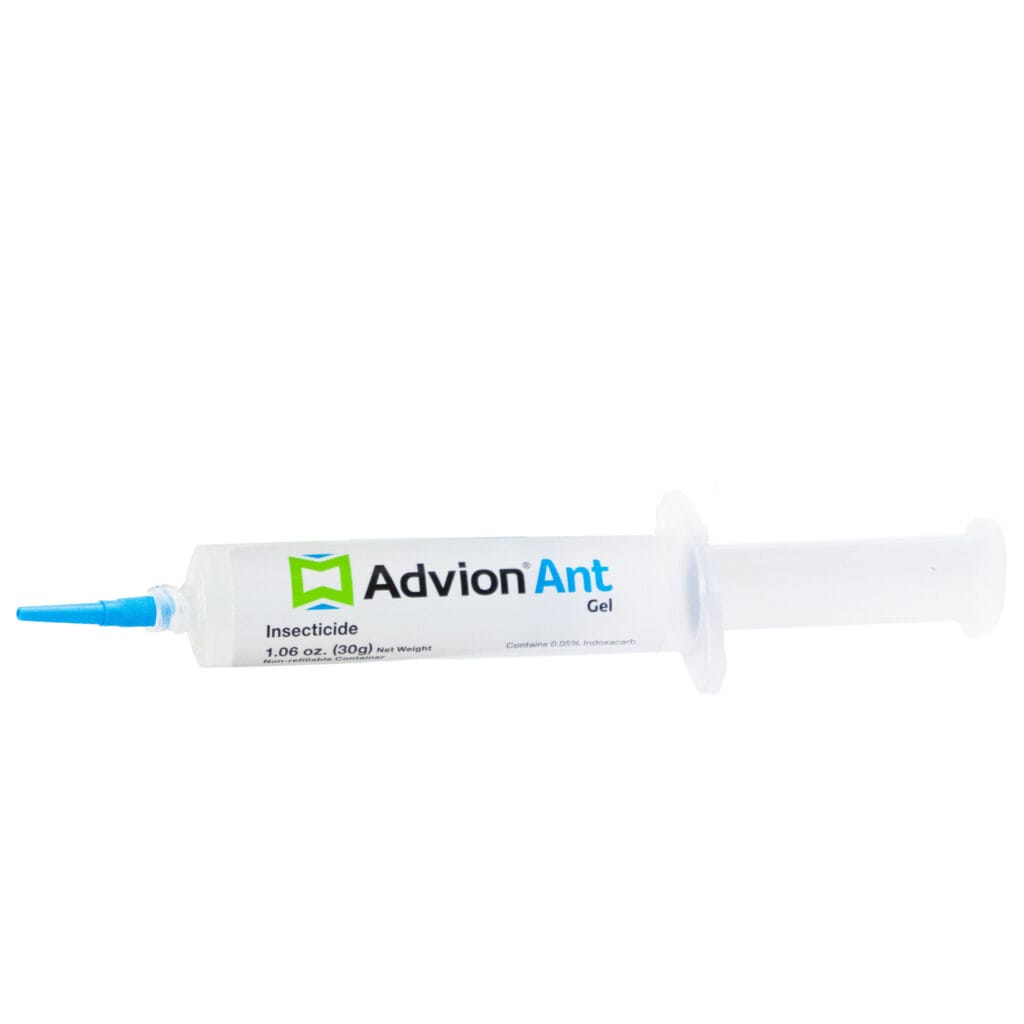
Advion Ant Bait Gel is highly attractive to sweet‑feeding ants and uses indoxacarb, a powerful non‑repellent active ingredient. Its delayed‑kill action lets ants feed, return to the nest, and share the bait, leading to full colony elimination. Expect noticeable reduction within just a few days of application.
- Designed to be irresistible to sweet‑feeding ants
- The translucent, no odor, non-staining formulation maintains its integrity for extended periods
- Ants consume Advion Ant gel bait over an extended period, resulting in thorough control
- Works indoors and outdoors
- Doesn’t run or drip

Available on Amazon!
Advion Ant Bait Gel Label – Advion Ant Bait Gel MSDS
Step 2 — Inspect Plants for Honeydew-Producing Pests
If you’re seeing ants outdoors — or they keep reappearing inside — check your landscaping carefully.
Look for:
- Sticky leaves
- Shiny residue
- Black sooty mold
- Clusters of tiny bumps (scale)
- Small green or white insects (aphids or mealybugs)
If you find these signs, the ants are feeding there.
They aren’t wandering randomly.
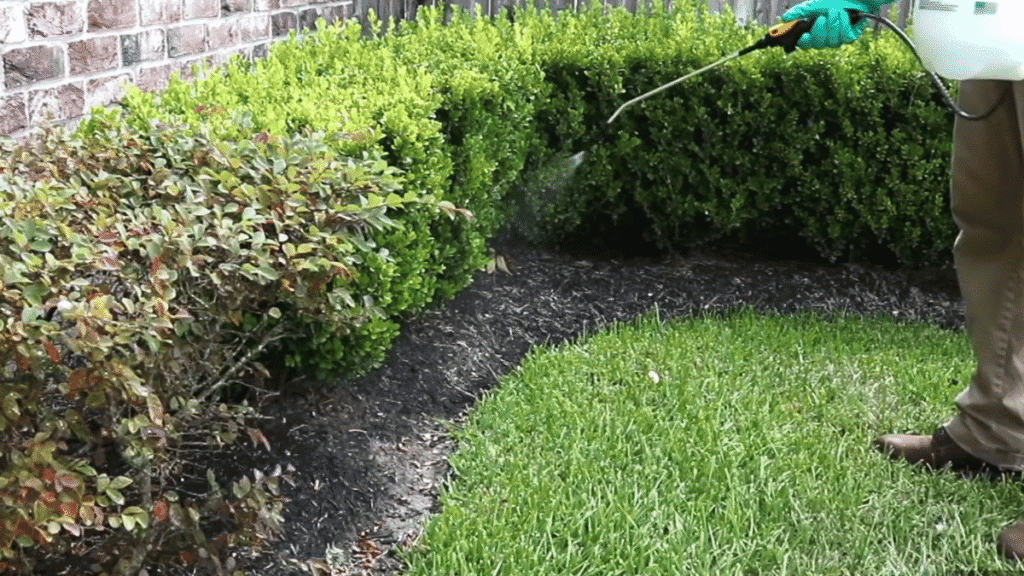
Step 3 — Treat Plants With Dominion 2L
To stop the cycle, remove the honeydew source.
How to Apply Dominion 2L
- Mix according to the product label
- Add a surfactant so it adheres and spreads evenly
- Spray affected plants thoroughly
- Coat tops and undersides of leaves
- Treat palms, shrubs, ornamentals, and any plant showing sticky residue or mold
When the scale and aphids are eliminated, the honeydew disappears.
When the honeydew disappears, ant pressure drops significantly.
Why This Why This Two-Part Plan Works
Little black ants:
- Have multiple queens, so bait distributes quickly
- Prefer sweet foods, making gel bait highly effective
- Depend heavily on honeydew
- Don’t respond well to sprays alone
Bait handles the active colony.
Plant treatment removes the root cause.
Together, they provide consistent, long-term control.
Final Summary — Eliminating Little Black Ants
If you want little black ants gone for good:
- Apply Advion Ant Bait Gel directly to active trails.
- Avoid spraying near bait placements.
- Inspect nearby plants for scale, aphids, and sooty mold.
- Treat infested plants with Dominion 2L + surfactant.
Bait the colony.
Eliminate the honeydew.
That’s the method that works — and keeps them from coming back.
Little Black Ant FAQ’s
IDENTIFICATION & BEHAVIOR
What are little black ants?
Little black ants are tiny, slow‑moving ants that form large colonies with multiple queens. Because they have many queens, baiting works extremely well—the bait spreads through the colony faster than sprays ever could.
Do little black ants sting or bite?
No. Little black ants cannot sting, and their bite is too weak to be noticeable. They’re a nuisance pest, not a dangerous one.
Why do little black ants show up around my home?
They’re attracted to sweet foods, especially honeydew produced by scale insects, aphids, and mealybugs on your plants. If you’re seeing little black ants outside—or even inside—there’s a good chance your landscaping has a honeydew problem.
INDOOR CONTROL
How do I get rid of little black ants inside my house?
Use Advion Ant Bait Gel. It’s the most effective bait for little black ants because they prefer sugar‑based foods.
Where should I place Advion Ant Bait Gel indoors?
- Along ant trails
- In cracks and crevices
- Near entry points
- Behind appliances
- Inside the Advion Ant Gel Station for a cleaner setup
Avoid spraying near the bait—sprays can stop ants from feeding.
OUTDOOR CONTROL & HONEYDEW ISSUES
Why are little black ants all over my plants and trees?
Because they’re feeding on honeydew, a sugary liquid produced by:
- scale insects
- aphids
- mealybugs
- whiteflies
If you see sticky leaves, shiny residue, or black sooty mold, you almost certainly have a honeydew problem.
How do I treat the plants so the ants stop coming back?
Use Dominion 2L to treat the plants thoroughly.
How do I apply Dominion 2L correctly?
- Mix according to the label
- Spray the entire plant—tops and undersides of leaves
- Add a surfactant so the product sticks better and spreads evenly
- Treat any plant showing scale, aphids, or sooty mold
Once the honeydew insects are gone, the ants lose their food source and activity drops quickly.
WHY BAIT WORKS SO WELL
Why is baiting better than spraying for little black ants?
Because little black ants have multiple queens, and sprays only kill the workers you see. Bait gets carried back to the colony and shared with:
- workers
- larvae
- multiple queens
This is the only way to eliminate the colony at its source.
What’s the best bait for little black ants?
Advion Ant Bait Gel is the top choice. It’s sugar‑based, highly attractive, and extremely effective on multi‑queen ant species.
GENERAL QUESTIONS
How long does it take to get rid of little black ants?
Most infestations improve within 3–7 days after baiting. If honeydew insects are present outdoors, you’ll see the biggest improvement after treating the plants with Dominion 2L.
Will little black ants come back after treatment?
They can return if:
- honeydew‑producing insects remain on your plants
- bait wasn’t placed near active trails
- sprays were used too close to the bait
Fixing the honeydew source is the key to long‑term control.
What’s the simplest way to remember how to treat little black ants?
Bait indoors, fix honeydew outdoors, and avoid spraying near the bait.