This page contains affiliate links. I may earn a commission at no extra cost to you.
The best way to get rid of odorous house ants is to place Advion Ant Bait Gel Stations at each corner of the house and along any active indoor trails, then wait at least 7 days for the bait to circulate through the colony. Do not spray during this window because repellent sprays trigger budding, the colony splits into multiple new colonies, and the problem becomes dramatically worse. If outdoor activity continues after a week of baiting, apply a fipronil perimeter spray as a last resort.
TL;DR: How To Treat And Control Odorous House Ants
- Confirm the ID. Crush one between your fingers and smell it. Rotten coconut, blue cheese, or turpentine smell means odorous house ants.
- Pull obvious sugar sources out of reach (cap the honey, seal the cereal, lift pet bowls between feedings).
- Don’t deep-clean the trails before baiting. Wiping out the pheromone trail scatters the workers before the bait can be carried back.
- Place an Advion Ant Bait Gel Station at each of the four corners of your house outside.
- If you have indoor activity, place stations along the trails inside the house – especially if you suspect an indoor satellite nest.
- If they’re indoors and you can find an outdoor spot near where they’re entering, add a station outside that wall too.
- Wait at least 7 days. Activity will spike before it drops. That’s the bait working. Don’t spray during the bait window. Spraying causes budding.
- If outdoor activity stays heavy after a week, apply Fipronil C Plus as a perimeter spray around the foundation, mulch beds, and tree bases.
- If plant pests (scale, aphids) are part of the problem, treat those with BioAdvanced 12-Month Tree & Shrub granules around affected trees and shrubs.
Keep reading for the full breakdown.↓
What You Need
For most odorous house ant problems, the bait stations alone do the job.
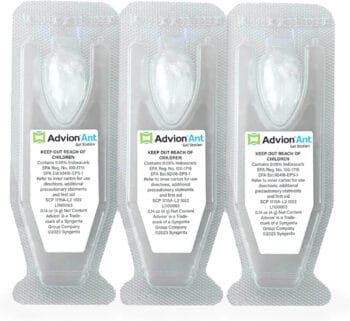
Advion Ant Gel Stations
Ready‑to‑use ant bait stations with indoxacarb for fast, full‑colony elimination indoors or outdoors.
- Targets 10+ ant species including ghost, Argentine, little black, pavement, and more
- Horizontal transfer wipes out the entire colony — queen included
- MetaActive formula activates only inside target pests
- No‑mess design — squeeze the capsule, bait stays contained
- Use anywhere ants trail: kitchens, patios, apartments, restaurants, commercial sites


Available on Amazon!
Competitive pricing + Fast Free shipping on all orders!
Advion Ant Bait Gel Station Label – Advion Ant Bait Get Station MSDS
Advion uses indoxacarb in a sweet gel matrix housed in a weather-protected station. Indoxacarb is a slow-kill active that workers carry back to the colony and share through trophallaxis (mouth-to-mouth food sharing). The slow timing matters with this species because odorous house ant colonies have many queens (polygynous) and many satellite nests (polydomous). The active ingredient has to keep moving through the network for hours before workers start dying, so the queens, brood, and satellite nests all get fed.
The pre-loaded stations are the right format here for two reasons. First, the gel stays moist inside the housing for weeks, where an open dab of gel on a baseboard dries out in days. Second, they’re safe to use around kids and pets without any of the DIY straw-and-syringe workarounds. One station per placement, no mixing, no measuring.
After 25 years of treating odorous house ants, this is the bait I reach for first. When the placement is right, workers find the stations within hours and the colony collapses in about a week.
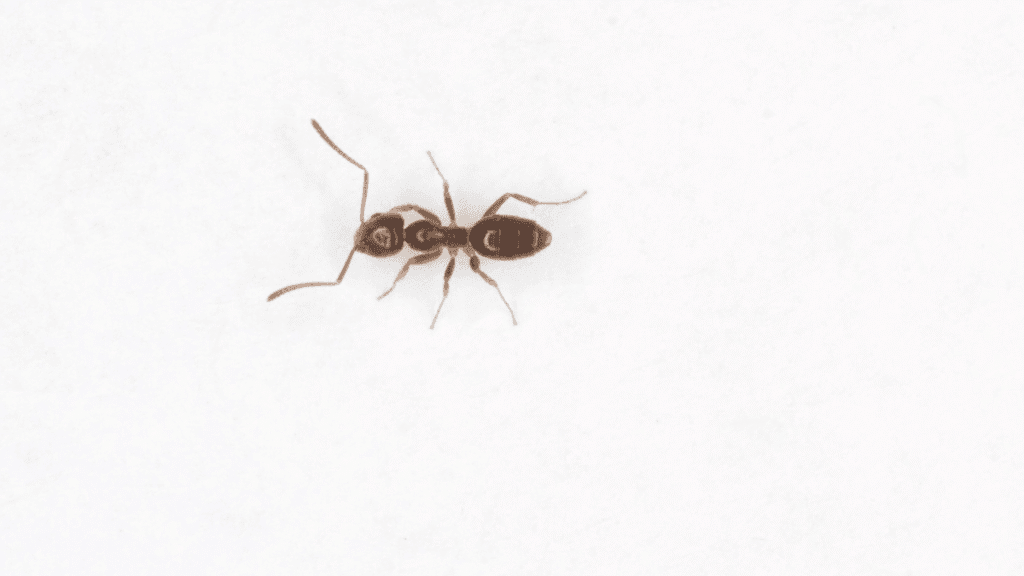
The Rotten Coconut Smell Test
There is one fast, definitive way to confirm odorous house ants.
Crush one between your fingers and smell your fingertips immediately.
If you detect a strong odor of rotten coconut, blue cheese, or turpentine — you have odorous house ants. This is their defining biological trait, and once you’ve smelled it you’ll never forget it. The smell comes from a defensive chemical called methyl ketone, released only when the ant is crushed.
Pest control pros use this test on every job. It takes three seconds and eliminates any guesswork. If you crush one and smell nothing, you don’t have odorous house ants — you have something else, and the bait approach below may not be right for that species.
Signs You Have Odorous House Ants
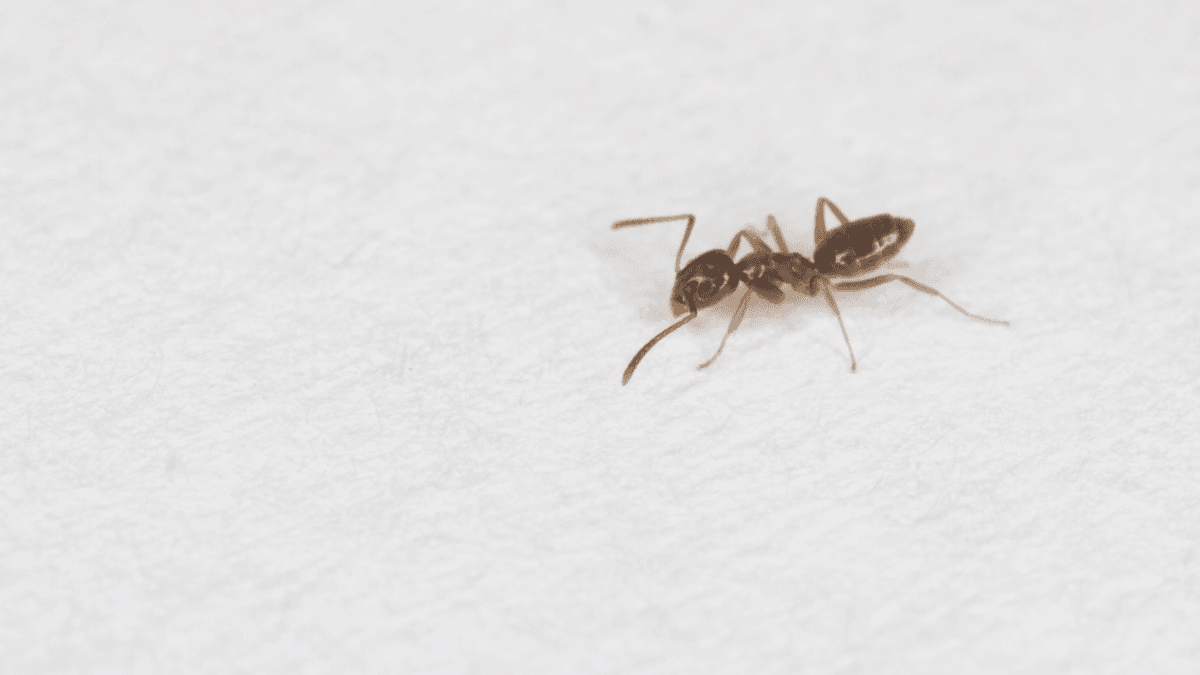
- Tiny dark ants, 1/16 to 1/8 inch long. Dark brown to nearly black, with a slightly shiny appearance under good light.
- Fast, loose trails rather than the clean single-file lines you see with Argentine ants. Their trails look more chaotic, with workers cutting across each other.
- The rotten coconut smell when crushed.
- Heavy activity in kitchens and bathrooms. Around sinks, dishwashers, coffee makers, pet bowls, and anywhere sweets are stored.
- Sudden indoor invasion after heavy rain. A storm floods their outdoor nests under mulch and pavers and pushes the entire foraging force inside looking for dry ground.
- Trails coming through plumbing penetrations. Around faucet escutcheons, under-sink pipe gaps, and where water lines enter walls.
Why They’re In Your House
Odorous house ants want two things: sugar and water. That’s the whole list.
The colony is almost always outside. The ants on your counter are commuters traveling from an outdoor nest into the kitchen and back. They nest under mulch, beneath pavers, under landscape timbers, in rotting wood, and along slab edges. After heavy rain, those outdoor nests get flooded and the workers pour inside.
- Honeydew from scale insects and aphids is also a factor when present. Like other sweet-feeding ants, odorous house ants will tend to plant pests on landscape trees and shrubs for the honeydew they secrete. The plant connection isn’t as central as it is for Argentine or white-footed ants, but if you have scale or aphid issues on the property, it’s adding ongoing pressure that the bait has to compete with.
- Indoor satellite nests do happen, especially in older homes. Odorous house ants will set up small satellite colonies inside wall voids, under appliances, behind cabinet kick plates, and in any moist, protected indoor space. This is why bait placements indoors actually work for this species — you’re sometimes treating indoor nests directly, not just intercepting commuters.
They are not in the house because it’s dirty. They’re there because there’s a sugar source, a water source, or both, and a way in.
How to Get Rid of Odorous House Ants – Step by Step
Step 1: Pull Competing Sugar Sources
Get the obvious sweets out of reach. Cap the honey jar, seal the cereal, store the syrup in the fridge, lift pet bowls between feedings.
Don’t deep-clean the trails yet. This is the step homeowners get wrong most often. Spotting a trail and panicking with a vinegar spray or a strong cleaner before baiting wipes out the pheromone trail and scatters the workers. The bait you’re about to place has nothing leading the colony to it.
Pull the competing food. Leave the trails alone. Clean thoroughly AFTER the colony has crashed, not before.
Step 2: Place Advion Bait Stations Outside
Place one Advion Ant Bait Gel Station at each of the four corners of the house, low to the ground or against the foundation where the station is protected from direct sun and heavy rain but the ants can still find it.
If you can see outdoor trails on tree bases, mulch bed edges, paver seams, or along the foundation, add a station directly on the trail. The station works best when foragers walk right past it, not 3 feet to the side.
Step 3: If They’re Inside, Bait Indoors Too
Unlike most outdoor-nesting sweet-feeders, odorous house ants do form indoor satellite nests, so indoor bait stations work for this species when used correctly.
Place an Advion station along any active indoor trail.
Good spots:
- On the counter near the sink or dishwasher
- Under the sink along the cabinet wall
- Behind the stove or refrigerator (pull the appliance out a few inches)
- In bathroom cabinet corners
- Near pet bowls (after the pet has eaten and the bowl is dry)
You don’t need to bait every room. Focus on where you’re actually seeing activity, plus an extra station outside on the exterior wall closest to the indoor trail. That outside placement intercepts the foragers as they leave the colony to come inside.
If you suspect an indoor satellite nest (recurring trails out of the same wall, ants emerging from an outlet, activity in a spot far from any window), indoor stations are essential. The outdoor-only approach won’t reach a satellite that’s living inside the wall.
Step 4: Wait at Least 7 Days. Don’t Spray.
This is where most DIY treatments fall apart.
In days 1 and 2 you’ll see MORE ants at the bait, not fewer. That’s workers recruiting nestmates to the food source. The trail looks like it’s getting worse. It’s actually the treatment working.
Days 3 to 5, foraging starts to slow. Days 5 to 10, the colony collapses and trails drop to near zero.
Do not spray during this window. Not with bug spray. Not with a perimeter product. Not with peppermint oil or vinegar. Anything that kills workers on contact stops the bait from reaching the queens, and worse, the colony reads the contact insecticide as a threat and responds by budding off into multiple new satellite colonies. You can turn one infestation into five with one bottle of Raid.
Wait at least 7 full days before you consider any spray. The bait works. It just takes a week.
Step 5: Treat the Honeydew Source (Only If Plant Pests Are Present)
Check the trees, shrubs, and ornamental plants around the house for scale insects and aphids. Scale looks like small bumps on twigs and the undersides of leaves. Aphids are soft-bodied, pear-shaped, often green or black, clustered on new growth. Sticky residue on leaves, sticky spots on the driveway under a tree, or black sooty mold are all signs of honeydew production.
Honeydew isn’t the central food source for odorous house ants the way it is for Argentine or white-footed ants, so this step is only relevant if your property actually has a scale or aphid problem. If the plants look clean, skip it.
If you do find plant pests, BioAdvanced 12-Month Tree & Shrub Protect & Feed Granules is the easiest fix. Scatter the granules around the base of any affected tree or shrub and water them in. The plant takes up the imidacloprid systemically along with the fertilizer (and the fertilizer matters — it triggers the plant to actively pull the insecticide upward). Within several days the scale and aphids die from the inside out, the honeydew supply dries up, and the ants lose a competing food source.
[PRODUCT BOX: BioAdvanced 12-Month Tree & Shrub Protect & Feed — available from Amazon]This product is for ornamental plants, trees, and shrubs only. Not labeled for vegetable gardens or fruit trees.
Step 6: Last-Resort Fipronil Perimeter Spray
If outdoor activity is still heavy 7 to 10 days after baiting, you can apply a non-repellent fipronil perimeter spray to the outside of the house. Most odorous house ant jobs don’t need this step. Bait alone clears the colony the vast majority of the time. But on properties with constant new pressure from neighboring yards, a non-repellent perimeter spray reduces that pressure.
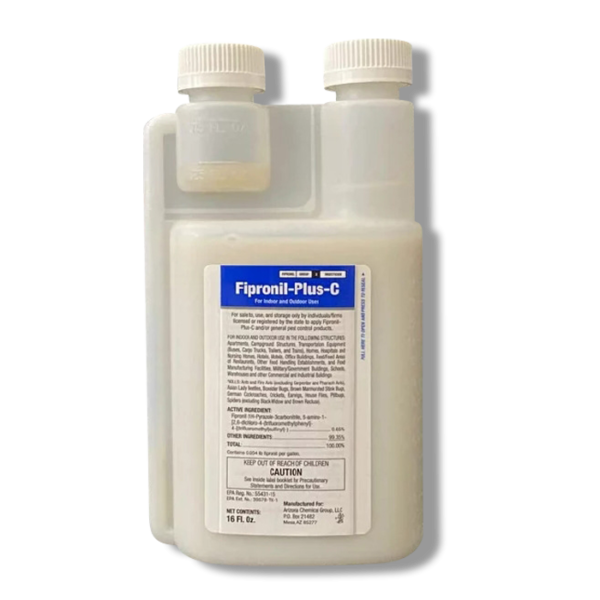
Fipronil Plus‑C
Fipronil Plus‑C is a 0.65% fipronil concentrate that creates a long‑lasting, non‑repellent barrier pests walk through without detecting it. As roaches, ants, and other insects move across treated surfaces, they pick up the active ingredient and carry it back to the colony, leading to full nest elimination indoors or outdoors.
- Non repellent formula insects walk through it without detecting it
- Colony level kill workers transfer fipronil to nestmates and the queen
- Standard rate 0.75 oz per gallon for typical treatments
- Long residual stays active 30 to 90 days indoors and outdoors
- Multi pest coverage roaches, ants, fire ants, spiders, stink bugs, crickets, earwigs and more
- Indoor and outdoor use baseboards, cracks, wall voids, foundations, mounds and harborage areas
- Slow acting by design
Available on Amazon!
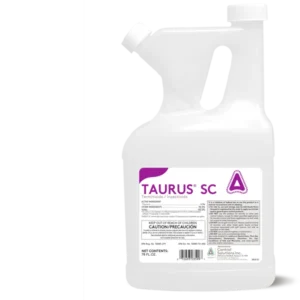
Taurus SC (Fipronil 9.1%)
Taurus SC is a 0.06% fipronil soil treatment that creates a long‑lasting, non‑repellent barrier ants and termites walk through without detecting it. As they move through treated soil, they pick up the active ingredient and transfer it throughout the colony, leading to full elimination.
- Mix rate: 0.8 fl oz per gallon (standard termite trench rate)
- Non‑repellent formula ants and termites can’t detect
- Transfer effect spreads through the colony for total kill
- Controls subterranean, drywood, dampwood & arboreal termites
- Also kills ants, roaches, spiders, centipedes & more
- Long‑lasting soil protection — up to 10 years when trenched
- Outdoor‑only use except wall‑void termite spot treatments
Competitive pricing + Fast Free shipping on all orders!
Use only a non-repellent like fipronil. Repellent sprays (Raid, pyrethroid perimeter products) will still trigger budding even after the bait is established. Fipronil is non-repellent — the ants don’t detect it, so they walk through it and transfer it to nestmates through normal contact. Same transfer mechanism as the bait, applied as a contact and residual layer.
Where to spray:
- A 3-foot band along the foundation perimeter, 1 foot up the exterior wall
- Around all windows, doors, and utility penetrations
- Mulch beds touching the structure
- Tree bases and shrub bases
- Paver edges and stepping stone seams
What Doesn’t Work
A few things that come up over and over online that waste time or make odorous house ant problems worse.
- Spraying Raid or any repellent insecticide on the trail. Triggers budding. The colony splits into multiple new satellite colonies. The infestation gets worse. This is the #1 mistake.
- Deep cleaning the trail before baiting. Wipes out the pheromone path the colony was using to find food. The workers scatter, the bait you place next has nothing leading the colony to it, and the treatment stalls. Pull obvious food sources, leave the trail itself alone until the colony crashes.
- Vinegar, peppermint oil, lemon juice, and cinnamon. Briefly disrupt the pheromone trail. The colony reroutes within a day. None of these reach the queens. Save vinegar for cleaning the kitchen AFTER the bait has done its work.
- Indoor perimeter sprays and baseboard treatments. Even if they’re “non-repellent” or “natural,” indoor spraying interferes with bait acceptance. Indoors stays bait-only, every time.
Odorous House Ants vs Lookalike Ants
Three sweet-feeding species get confused with odorous house ants. The smell test settles it, but here’s the visual breakdown:
| Feature | Odorous House Ants | Argentine Ants | Ghost Ants |
|---|---|---|---|
| Size | 2.4 to 3.3 mm | 2.2 to 2.8 mm | 1.3 to 1.5 mm |
| Color | Dark brown to black, uniform | Uniform light to medium brown | Dark head, pale translucent abdomen |
| Smell when crushed | Strong rotten coconut | None | Faint coconut |
| Trail behavior | Loose, fast | Tight, organized highways | Erratic, fast, scattered |
| Indoor satellite nests | Yes, common | Rare | Very common |
| Budding from sprays | Yes | No (network reorganizes instead) | Yes |
| Primary bait | Advion Bait Gel Stations | Advion Bait Gel Stations | Advion Bait Gel Stations |
The smell test is the tiebreaker every time. Argentine ants don’t smell when crushed. Ghost ants have a faint coconut smell but it’s much subtler than odorous house ants. Odorous house ants are unmistakable once you’ve smelled one.
How to Keep Them From Coming Back
Ranked by impact.
- Refresh outdoor bait stations every spring. A fresh station at each corner of the house in early spring catches new foraging activity before colonies establish. One station in April saves a full treatment in July.
- Pull mulch back 12 to 18 inches from the foundation. Mulch against the house is prime nesting habitat for this species. A dry gravel strip or bare soil zone kills the appeal.
- Seal plumbing penetrations. Caulk around pipes under sinks, behind toilets, around exterior hose bibs, and where water lines enter walls. This closes the most common indoor entry route.
- Trim branches and shrubs off the house. Anything touching the siding is an ant highway. Cut it back at least a foot.
- Treat plant pests annually if present. If scale or aphids are on landscape plants, BioAdvanced granules in spring keeps the honeydew supply suppressed and reduces ongoing pressure.
- Store sweets sealed. Sugar, honey, syrup, jam, cereal, and fruit go into containers with real lids, not loosely closed bags.
- Don’t leave pet bowls out overnight. Even dry food residue is a draw.
Edge Cases Where DIY Hits a Wall
For odorous house ants, DIY handles every case I’ve seen in 25 years when the bait + 7-day wait rule is followed. The bait works, the chemistry is right for the species, and patience does most of the work.
Where it gets harder:
- Multi-unit buildings. Apartments, condos, townhouses, and duplexes share wall voids. Odorous house ant colonies can travel between units through shared plumbing chases and electrical conduit. A single unit treated correctly while the adjacent units stay untreated will get reinfested continuously. The fix is coordinated treatment across every unit at the same time, which is something a licensed pro arranges through building management. The pest part is the same as everything on this page — just multiplied across every unit.
- Already-buddied colonies. If you sprayed before reading this page, the colony has likely split into multiple new satellites. The bait still works, but it takes longer – 2 to 4 weeks instead of 1 week. Stay patient, keep stations fresh, and add new placements wherever new trails appear. Don’t spray again.
- Wrong ant ID. If the bait isn’t getting traction after 10 days, re-do the smell test. If you crush one and smell nothing, it’s not odorous house ants. Argentine ants, ghost ants, and Pharaoh ants all need slightly different approaches. Get the ID right first.
That’s the list. Everything else is bait + patience.
Taurus SC Label – Taurus SC MSDS
Odorous House Ant FAQ
IDENTIFICATION & BEHAVIOR
What are odorous house ants?
Odorous house ants (Tapinoma sessile) are small brown to black ants measuring 1/16 to ⅛ inch. They form multiple-queen colonies, move nests frequently, and release a strong rotten-coconut odor when crushed. They are one of the most common household ant species across North America and are found in warmer humid regions worldwide due to human travel and trade.
Why do odorous house ants smell like rotten coconut?
The smell comes from compounds in their defensive chemistry, which is unique to the genus. It is the single most reliable ID feature for this species. Some people describe it as blue cheese or turpentine. If you crush an ant and smell nothing, it is a different species.
Where do odorous house ants nest?
Common nesting sites include:
- under mulch
- under pavers and stepping stones
- under landscape timbers
- inside rotting wood
- around tree bases and roots
- in plant beds
- under debris or leaf litter
They prefer moisture and protected areas and can move nests frequently.
How do I identify odorous house ants?
Crush one and smell it. A strong odor resembling rotten coconut, blue cheese, or turpentine confirms the species instantly. This is the single most reliable field identification method used by pest control professionals.
Are odorous house ants found across the entire United States?
Yes. Tapinoma sessile is native to North America and found throughout the continental United States. They are not a southern-only species. They are found from Florida to the Pacific Northwest and Canada, with activity peaking in warmer, more humid regions.
What ants do odorous house ants get confused with?
Homeowners often confuse them with Argentine Ants, ghost ants, and pharaoh ants because they’re all small and form large colonies. In your answer, you can link to each of those species pages to help users compare them.
INDOOR CONTROL
How do I get rid of odorous house ants inside my home?
Use Advion Ant Bait Gel. These ants prefer sweet foods, and slow‑acting bait spreads through their multiple‑queen colonies far better than sprays.
Where should I place Advion Ant Bait Gel indoors?
- Along active trails
- In cracks and crevices
- Near entry points
- Behind appliances
- Along baseboards
Let the ants feed freely — this is how the colony collapses.
Why shouldn’t I spray odorous house ants inside?
Spraying too early causes budding, where the colony splits into multiple new colonies. Some of those colonies can move inside your home, making the infestation worse.
Always bait first, then wait a few days before spraying.
Can odorous house ants live in walls?
Yes; odorous house ants commonly nest inside wall voids, insulation gaps, and moisture‑damaged areas. They build multiple satellite nests, which is why activity seems to “jump” from room to room.
OUTDOOR CONTROL & BAITING
What’s the best outdoor bait for odorous house ants?
Use Advion Ant Bait Gel Stations outdoors. They protect the bait from weather and make placement easy. You can also place raw gel inside refillable stations if you prefer.
Where should I place outdoor bait stations?
Place stations:
- along active trails
- near mulch beds
- next to pavers and stones
- around tree bases and roots
- in plant beds
- near landscape timbers
Stations should be placed directly in the ants’ path for best results.
Can I use Advion Ant Gel outdoors without stations?
You can, but stations keep the bait protected from rain, heat, and debris.
Most homeowners prefer the pre‑filled Advion Ant Bait Gel Stations for convenience.
Why is outdoor baiting necessary?
The main colony is outside. Indoor baiting eliminates foraging workers inside the structure but does not reach the queens and core colony in outdoor nests. Without outdoor treatment, new workers replace eliminated ones continuously. Both environments must be addressed for treatment to be complete.
Where do odorous house ants nest outside?
Under mulch, beneath pavers and stepping stones, under landscape timbers, in rotting wood, around tree bases and root zones, under slab edges, under siding, and in leaf litter and debris. Any protected, moderately moist outdoor location is a potential nesting site.
SPRAYING & BUDDING
Why do odorous house ants “bud” when sprayed?
When sprayed too early, the colony senses danger and splits into multiple smaller colonies. This can push ants into your home, even if all nests were originally outside. This is why the correct order is:
- Bait first
- Wait 2–3 days
- Then spray if needed
When should I use Taurus SC for odorous house ants?
Use Taurus SC only after baiting. It’s a non‑repellent pesticide, meaning ants walk through it without detecting it and transfer it to other ants. Spray Taurus SC around:
- the foundation
- mulch beds
- pavers and stones
- tree bases
- landscape timbers
- plant beds
Never spray before baiting.
Can I spray odorous house ants with bug spray to kill the ones I see?
You can, but it almost always makes the problem worse. Spraying triggers budding, where the colony splits into multiple new colonies in new locations. You trade one trail for several. Bait first, every time.
WHY BAIT WORKS SO WELL
Why is baiting better than spraying for odorous house ants?
Because odorous house ants have multiple queens, and sprays only kill the workers you see. Bait gets carried back to the colony and shared with:
- workers
- larvae
- multiple queens
This is the only way to eliminate the colony at its source without causing budding.
How long does it take for bait to work on odorous house ants?
Most infestations improve within 3–7 days. Large colonies or multiple outdoor nests may take longer, especially if the ants are moving between food sources.
TREATMENT
What is the best product to eliminate odorous house ants?
Advion Ant Bait Gel is the professional standard. It’s a sweet, slow-acting gel bait that odorous house ants pick up quickly and carry back to the colony network, reaching multiple queens. For outdoor use, Advion Ant Bait Gel Stations protect the bait from weather and extend its effectiveness. After baiting, Taurus SC is the preferred non-repellent perimeter spray.
Do I need to rotate between sweet bait and protein bait?
Almost never with this species. Some ants cycle between sugar and protein, but odorous house ants stay locked on sweets. Stick with a sweet gel and you will not need to rotate. If feeding stops mid-treatment, the bait probably dried out or got contaminated, not that they switched preferences.
Why should I never spray odorous house ants first?
Because spraying triggers budding — the colony’s defensive response to a perceived threat. When workers encounter insecticide and fail to return normally, the colony registers a problem and splits into multiple smaller satellite colonies that relocate to new positions. One infestation becomes several. Always bait first and allow several days for the bait to circulate before considering any spray.
Can non-repellent sprays also cause budding?
Yes. Even non-repellent products can trigger budding if applied before baiting, because the colony detects that connected colonies are experiencing losses. Any sign of a problem in the colony network can cause defensive fragmentation. This is why bait must always come first, regardless of the spray chemistry being used.
What should I do if my treatment isn’t working?
First, confirm you did not spray before baiting. If you did, start over — bait from scratch without any spray. Confirm outdoor nesting sites are being addressed with outdoor bait stations. Remove all competing food sources. Place bait at trail edges rather than in the center of heavy foraging traffic. Use multiple small placements at multiple trail locations rather than one large placement. If bait is drying out outdoors, use stations and refresh daily.
How long does it take for bait to kill the colony?
Plan on 5 to 10 days for most infestations. You will see a spike in activity in the first 1 to 2 days, then a steady drop over the next week. If activity is unchanged after 7 days, something in the placement or food competition needs adjusting.
GENERAL QUESTIONS
Will odorous house ants come back after treatment?
They can return if:
- bait wasn’t placed near active trails
- sprays were used too early
- outdoor nests weren’t addressed
- moisture issues remain
Following the correct bait‑first approach prevents most reinfestations.
What’s the simplest way to remember how to treat odorous house ants?
Bait first, wait a few days, then spray if needed — never spray first.
Do odorous house ants prefer being indoors or outdoors?
Outdoors is their primary habitat. What you see inside is almost always the foraging extension of a larger outdoor colony. They nest under mulch, pavers, stones, landscape timbers, slab edges, and rotting wood. They enter homes seeking sugar and moisture — they are not trying to live there permanently.
Why do I see more odorous house ants after rain?
Large rain events saturate or flood outdoor nest sites, displacing workers and driving foraging operations indoors where food and shelter are available. A sudden surge of indoor ant activity after heavy rain almost always traces to flooded outdoor nests.
Do odorous house ants bite or sting?
They can bite, but the bite is so weak most people never feel it. They do not sting and they are not medically significant. They are a nuisance pest, not a dangerous one.
Are odorous house ants harmful?
They’re not harmful to people or pets, and they don’t damage wood. Their biggest issue is contamination – they trail through kitchens, pantries, and food areas in large numbers.
Why do I suddenly have ants after a heavy rain?
Heavy rain floods their outdoor nests under mulch and pavers. The whole foraging operation moves indoors temporarily looking for dry ground. This is one of the most common reasons for a sudden indoor invasion with no warning.
Can odorous house ants nest inside walls?
Yes, they can establish satellite nests inside wall voids, especially around plumbing where there is moisture. The main colony is still typically outside, but satellite nests in walls are common and are a big reason indoor-only treatment fails.
PREVENTION
How do I prevent odorous house ants from coming back?
Seal moisture entry points around pipes and plumbing. Pull mulch back from the foundation to create a dry zone. Store all food and pet food in sealed containers. Keep pet bowls clean between feedings. Trim vegetation away from the structure. Apply a non-repellent perimeter treatment in early spring before colony expansion begins and repeat after major rain events.
Why do odorous house ants come back every year?
Outdoor colonies that were not fully eliminated during the previous season remain active over winter in protected locations and expand again in spring. Seasonal perimeter treatments applied before spring colony expansion, combined with elimination of outdoor nesting habitat near the structure, interrupt this cycle. Addressing the outdoor population rather than only managing indoor trails is the key to year-over-year control.
Ant Identification & Treatment Guides
Explore more guides on sweet‑feeding ants, trailing nuisance ants, and common household invaders. These species often show up together and share similar food preferences, moisture habits, and indoor nesting patterns.
Browse All Ants
Full identification and treatment guides for every ant species on the site.
See All Ant Species
Complete list of ant profiles with photos, behavior, and bait recommendations.