TL;DR: How To Treat And Control Odorous House Ants
Step 1 — Bait indoors first.
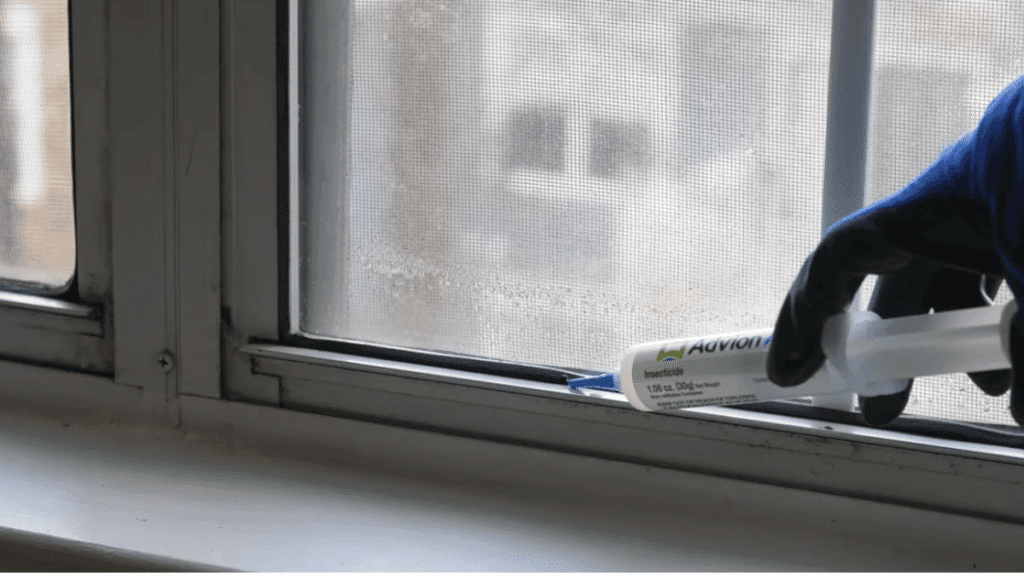
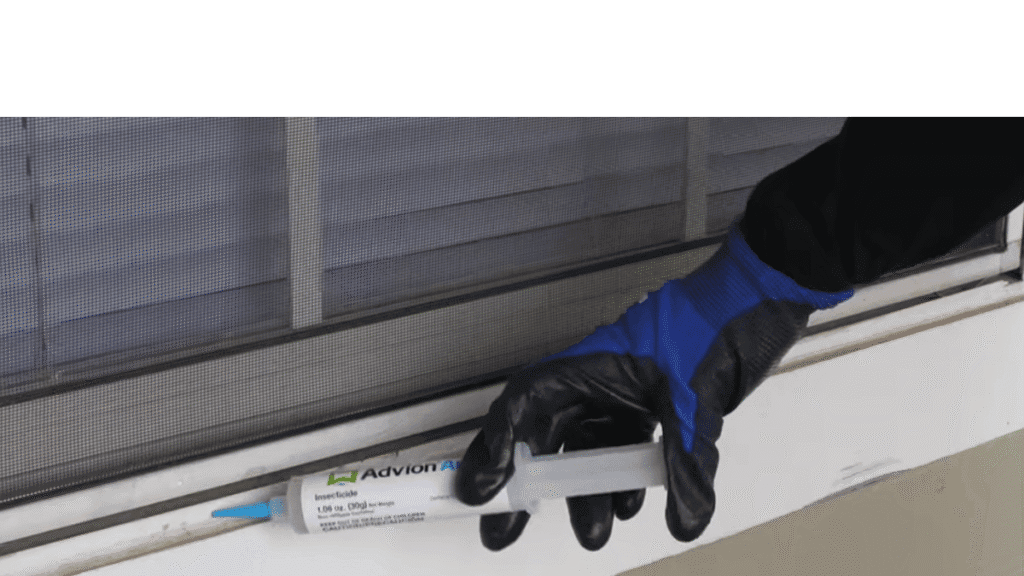
Place small dots of Advion Ant Bait Gel along active trails, cracks, and entry points.
Step 2 — Bait outdoors where they nest.
Use Advion Ant Gel Stations near mulch, pavers, stones, tree bases, and plant beds where ants are foraging.
Do not spray first.
Bait first, wait a few days, then spray only if needed.
That order prevents colony “budding” and actually eliminates the infestation.
Why Odorous House Ants Are So Frustrating
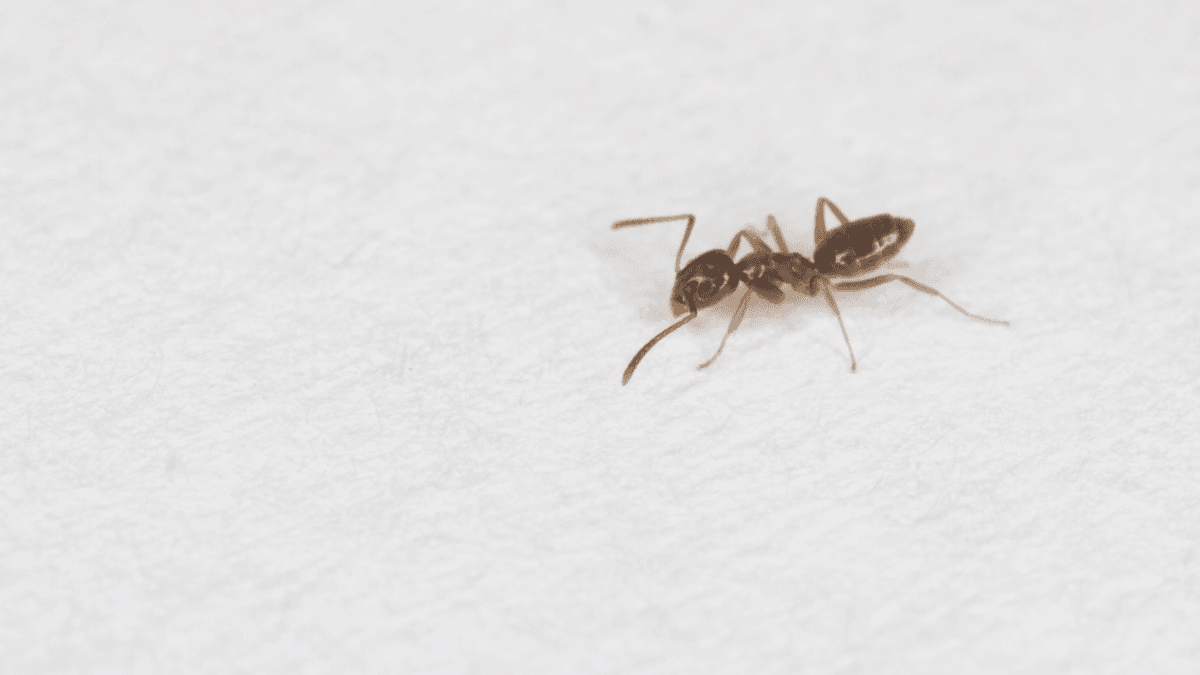
Odorous house ants (Tapinoma sessile) are one of the most common and aggravating household ants.
They:
- Move quickly in loose trails
- Form colonies with multiple queens
- Shift nesting sites frequently
- Split into new colonies when disturbed
That last behavior — called budding — is what causes most failed treatments.
Spray too early, and you don’t kill the colony. You divide it.
The key is slow, controlled baiting.
How to Identify Odorous House Ants
These ants are small and easy to confuse with other species. Proper identification matters.
Basic Traits
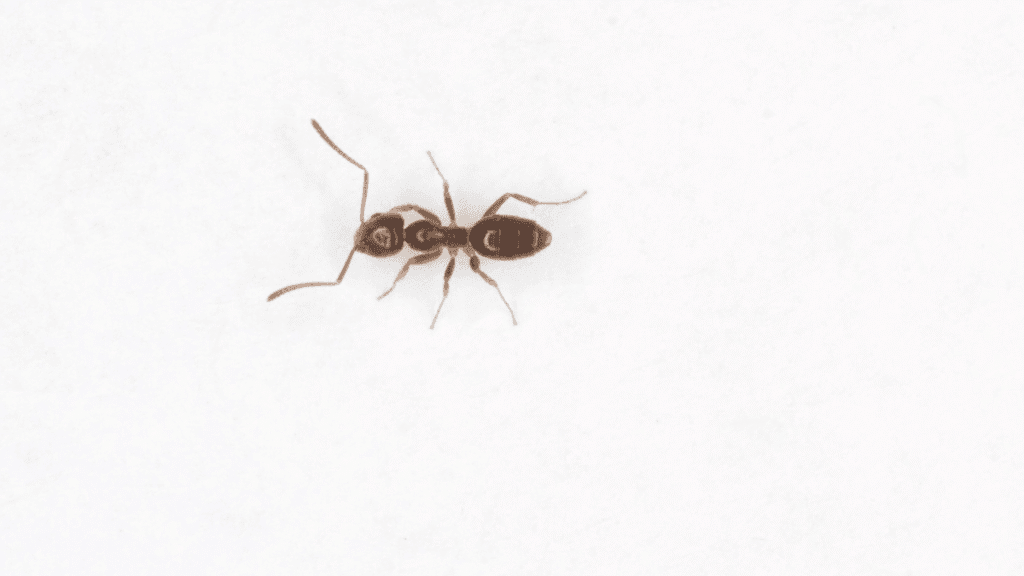
- Size: 1/16–⅛ inch
- Color: Brown to black
- Movement: Fast, erratic trails
- Food preference: Sweets and moisture
- Common nesting sites: Mulch, pavers, stones, landscape timbers, rotting wood, plant beds
The Rotten Coconut Test (Most Reliable ID Method)
Crush one.
If you smell a strong odor similar to rotten coconut, blue cheese, or turpentine, you’re dealing with odorous house ants.
That smell is their defining trait.
Step 1 — Use Advion Ant Bait Gel Indoors
Odorous house ants respond extremely well to sweet, slow-acting bait.
Advion Ant Bait Gel is the most reliable option.
How to Apply
- Place small dots directly on active trails
- Apply inside cracks and crevices
- Position along baseboards and entry points
- Do not spray near the bait
- Let the ants feed
Because these ants have multiple queens, the bait must circulate through the colony.
Killing surface workers does nothing long term.
If you prefer a cleaner setup, use Advion Ant Gel Stations indoors.
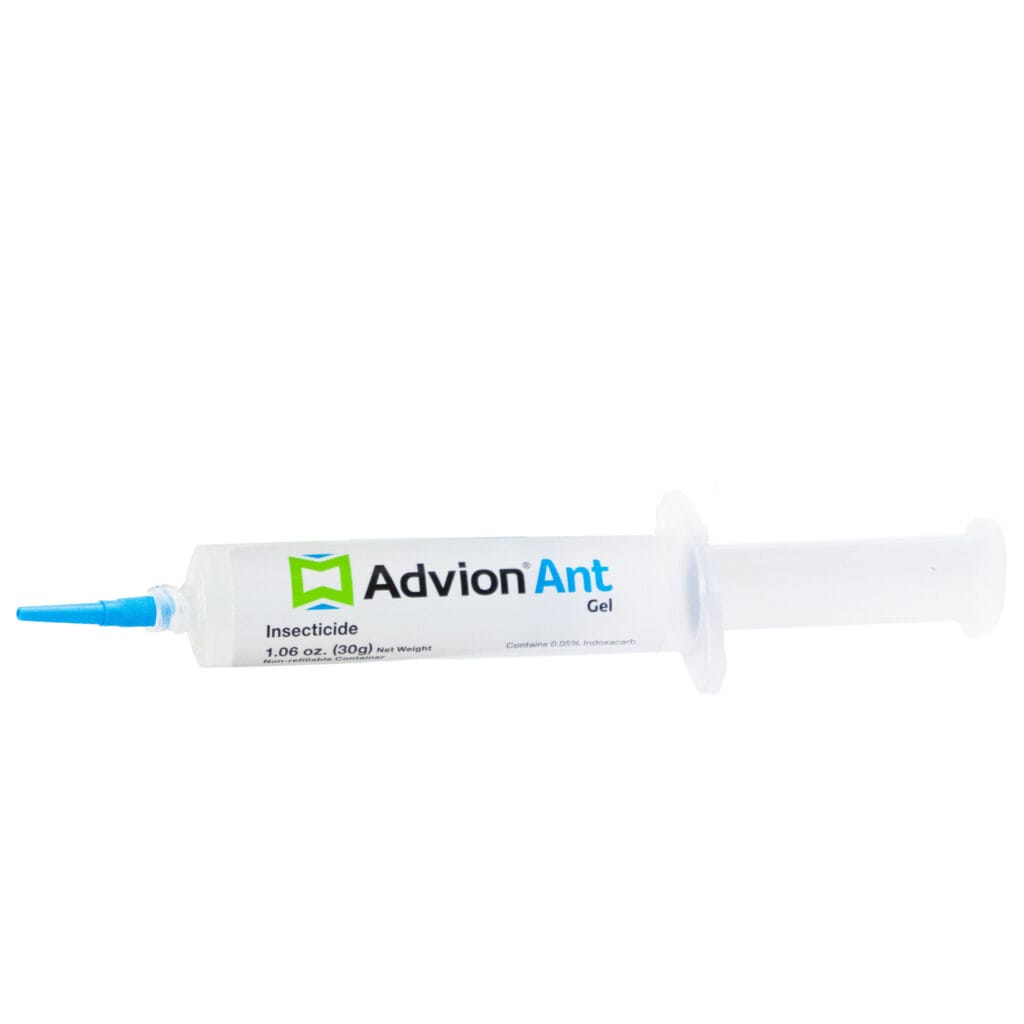
Advion Ant Bait Gel
Advion Ant Bait Gel is highly attractive to sweet‑feeding ants and uses indoxacarb, a powerful non‑repellent active ingredient. Its delayed‑kill action lets ants feed, return to the nest, and share the bait, leading to full colony elimination. Expect noticeable reduction within just a few days of application.
- Designed to be irresistible to sweet‑feeding ants
- The translucent, no odor, non-staining formulation maintains its integrity for extended periods
- Ants consume Advion Ant gel bait over an extended period, resulting in thorough control
- Works indoors and outdoors
- Doesn’t run or drip

Available on Amazon!
Advion Ant Bait Gel Label – Advion Ant Bait Gel MSDS
Step 2 — Bait Outdoor Nesting Areas
Most odorous house ant colonies are outside.
Outdoor baiting is critical.
Where to Place Advion Gel Stations
- Along active trails
- Near mulch beds
- Around pavers and stepping stones
- Next to landscape timbers
- At tree bases and root zones
- In plant beds
Using stations outdoors protects the bait from weather and keeps it attractive longer.
Advion Ant Bait Gel Station Label – Advion Ant Bait Get Station MSDS
Why You Must Bait Before Spraying (Prevent Budding)
Odorous house ants are known for budding.
If you spray too early:
- The colony senses danger
- It splits into multiple smaller colonies
- Some colonies move indoors
This makes the problem worse.
Correct sequence:
- Bait first
- Wait 2–3 days
- Spray only if needed
That delay allows the bait to reach the queens.
Step 3 — DO NOT Spray First (This Causes “Budding”)
Odorous house ants are notorious for budding, which means:
- if you spray too early
- the colony senses danger
- it splits into multiple new colonies
- some of those colonies can move inside your home
This is why spraying first is one of the biggest mistakes homeowners make.
Correct order:
- Bait first
- Wait 2–3 days
- Then spray if you want to
This prevents budding and ensures the bait reaches the queens.
When to Use Taurus SC (After Baiting)
After a few days of steady baiting, you can apply Taurus SC if activity remains high.
Where to Spray
Before targeting specific areas, treat from the foundation outward at least 3 feet to establish a solid non-repellent barrier.
Then treat:
- Foundation perimeter
- Mulch beds
- Under pavers and stones
- Around tree bases and roots
- Landscape timbers
- Plant beds
Taurus SC is non-repellent, meaning ants walk through it without detecting it.
But again — only spray after baiting.
Taurus SC Label – Taurus SC MSDS
Common Odorous House Ant Nesting Sites
These ants prefer protected, moisture-friendly environments.
Look for nests in:
- Mulch beds
- Under pavers
- Landscape timbers
- Rotting wood
- Around tree roots
- Plant beds
- Leaf litter or debris
They frequently relocate, which is another reason baiting works better than trying to “find the nest.”
Why This Plan Works
Odorous house ants:
- Have multiple queens
- Move nests often
- Bud when sprayed too early
- Prefer sweet foods
- Respond strongly to Advion Ant Gel
This method works because it:
- Eliminates the colony without triggering budding
- Targets both indoor and outdoor activity
- Uses slow-acting bait to reach all queens
- Adds non-repellent spray only after bait circulation
It’s controlled and strategic — not reactive.
Final Summary — Eliminating Odorous House Ants
If you smell that rotten-coconut odor, you’re dealing with odorous house ants.
To eliminate them properly:
- Place Advion Ant Bait Gel along indoor trails.
- Use Advion Gel Stations outdoors near mulch, pavers, and nesting areas.
- Do not spray at first.
- After several days of baiting, apply Taurus SC only if needed.
Bait first.
Wait.
Spray last.
Follow that order, and you eliminate the colony without accidentally creating new ones.
Odorous House Ant FAQ’s
IDENTIFICATION & BEHAVIOR
What are odorous house ants?
Odorous house ants (Tapinoma sessile) are small, fast‑moving, sweet‑feeding ants that commonly invade kitchens, bathrooms, and plant beds. They form multiple‑queen colonies, move nests frequently, and can “bud” into new colonies if disturbed.
Why do odorous house ants smell like rotten coconut?
A key identifying trait of odorous house ants is the strong rotten‑coconut, blue‑cheese, or turpentine‑like odor released when they are crushed. Professionals often confirm them by squishing one and smelling their finger. If you smell that distinct odor, you’re dealing with odorous house ants.
Where do odorous house ants nest?
Common nesting sites include:
- under mulch
- under pavers and stepping stones
- under landscape timbers
- inside rotting wood
- around tree bases and roots
- in plant beds
- under debris or leaf litter
They prefer moisture and protected areas and can move nests frequently.
INDOOR CONTROL
How do I get rid of odorous house ants inside my home?
Use Advion Ant Bait Gel. These ants prefer sweet foods, and slow‑acting bait spreads through their multiple‑queen colonies far better than sprays.
Where should I place Advion Ant Bait Gel indoors?
- Along active trails
- In cracks and crevices
- Near entry points
- Behind appliances
- Along baseboards
Let the ants feed freely — this is how the colony collapses.
Why shouldn’t I spray odorous house ants inside?
Spraying too early causes budding, where the colony splits into multiple new colonies. Some of those colonies can move inside your home, making the infestation worse.
Always bait first, then wait a few days before spraying.
OUTDOOR CONTROL & BAITING
What’s the best outdoor bait for odorous house ants?
Use Advion Ant Bait Gel Stations outdoors. They protect the bait from weather and make placement easy. You can also place raw gel inside refillable stations if you prefer.
Where should I place outdoor bait stations?
Place stations:
- along active trails
- near mulch beds
- next to pavers and stones
- around tree bases and roots
- in plant beds
- near landscape timbers
Stations should be placed directly in the ants’ path for best results.
Can I use Advion Ant Gel outdoors without stations?
You can, but stations keep the bait protected from rain, heat, and debris.
Most homeowners prefer the pre‑filled Advion Ant Bait Gel Stations for convenience.
SPRAYING & BUDDING
Why do odorous house ants “bud” when sprayed?
When sprayed too early, the colony senses danger and splits into multiple smaller colonies. This can push ants into your home, even if all nests were originally outside. This is why the correct order is:
- Bait first
- Wait 2–3 days
- Then spray if needed
When should I use Taurus SC for odorous house ants?
Use Taurus SC only after baiting. It’s a non‑repellent pesticide, meaning ants walk through it without detecting it and transfer it to other ants. Spray Taurus SC around:
- the foundation
- mulch beds
- pavers and stones
- tree bases
- landscape timbers
- plant beds
Never spray before baiting.
WHY BAIT WORKS SO WELL
Why is baiting better than spraying for odorous house ants?
Because odorous house ants have multiple queens, and sprays only kill the workers you see. Bait gets carried back to the colony and shared with:
- workers
- larvae
- multiple queens
This is the only way to eliminate the colony at its source without causing budding.
How long does it take for bait to work on odorous house ants?
Most infestations improve within 3–7 days. Large colonies or multiple outdoor nests may take longer, especially if the ants are moving between food sources.
GENERAL QUESTIONS
Will odorous house ants come back after treatment?
They can return if:
- bait wasn’t placed near active trails
- sprays were used too early
- outdoor nests weren’t addressed
- moisture issues remain
Following the correct bait‑first approach prevents most reinfestations.
What’s the simplest way to remember how to treat odorous house ants?
Bait first, wait a few days, then spray if needed — never spray first.