
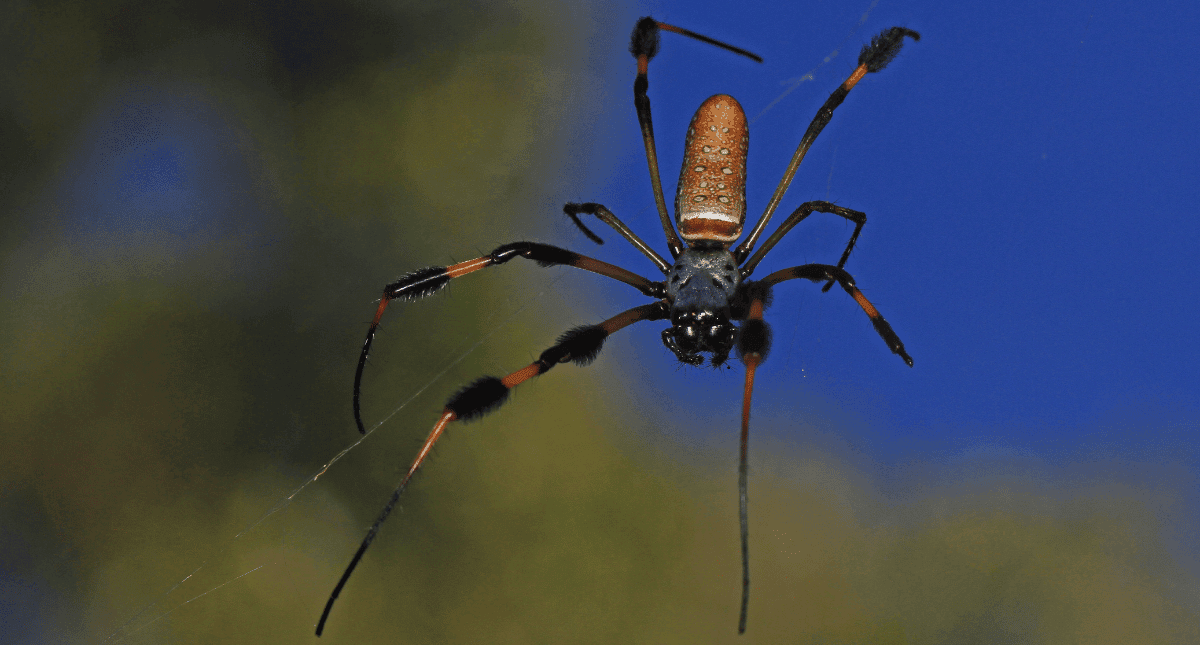
TL;DR: How Do I Treat And Control Spiders
Step 1: Knock down spiders webs and egg sacs so spray reaches clean surfaces.
Step 2: Spray Atticus Decito CS Insecticide at 0.8 oz per gallon of water indoors and outdoors.
Apply a coarse spray to:
- Corners
- Window frames
- Door frames
- Light fixtures
- Baseboards
- Garage areas
- Woodpiles
- Houseplants with fungus gnats
If spiders keep appearing, focus on reducing insects, because that’s what attracts them in the first place.
Spiders usually show up for one reason: food.
If you’re seeing spiders in your home, it almost always means there are insects nearby — ants, flies, roaches, fungus gnats, or other small bugs. Spiders move in because the hunting is good.
The good news is that spider problems are usually easy to solve. Once you reduce the insects and apply a simple treatment, the spiders disappear.
Below is the exact approach I recommend.
Why Spiders Appear in Homes
Spiders are predators. They follow insects.
Common insects that attract spiders include:
- Ants
- Roaches
- Flies
- Fungus gnats
- Other small crawling insects
When insects are present, spiders move in to feed. When the food disappears, the spiders usually disappear too.
That’s why controlling the insect population is the most important long-term step in spider control.
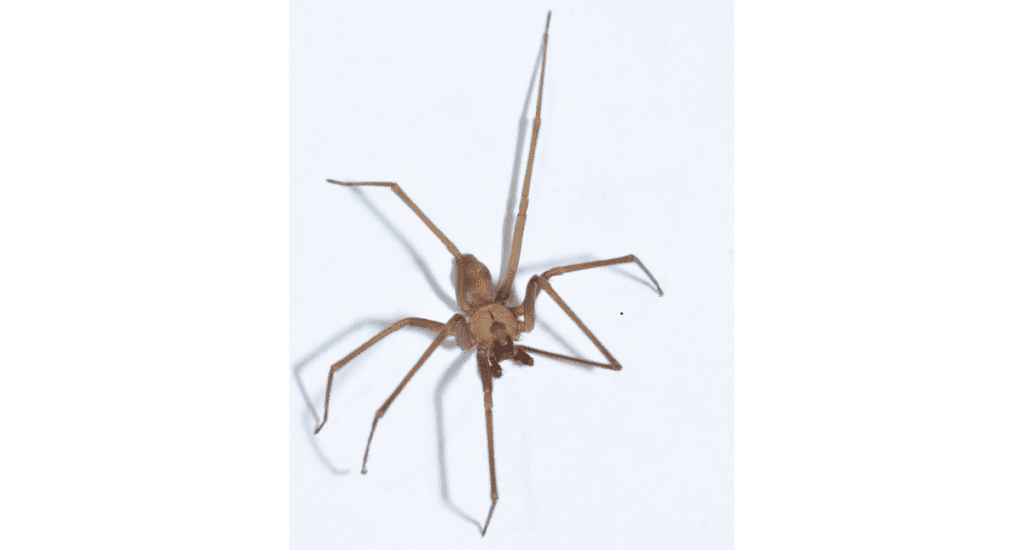
Step 1 — Knock Down Webs Before Spraying
Before applying any pesticide, remove:
- Spider webs
- Egg sacs
- Debris
This step matters more than most people realize.
Pesticides work best when they are applied to clean surfaces. Webs and debris block the spray and prevent the product from reaching the areas where spiders travel.
Knocking down webs also forces spiders to cross treated surfaces when they rebuild, which helps the treatment work much more effectively.
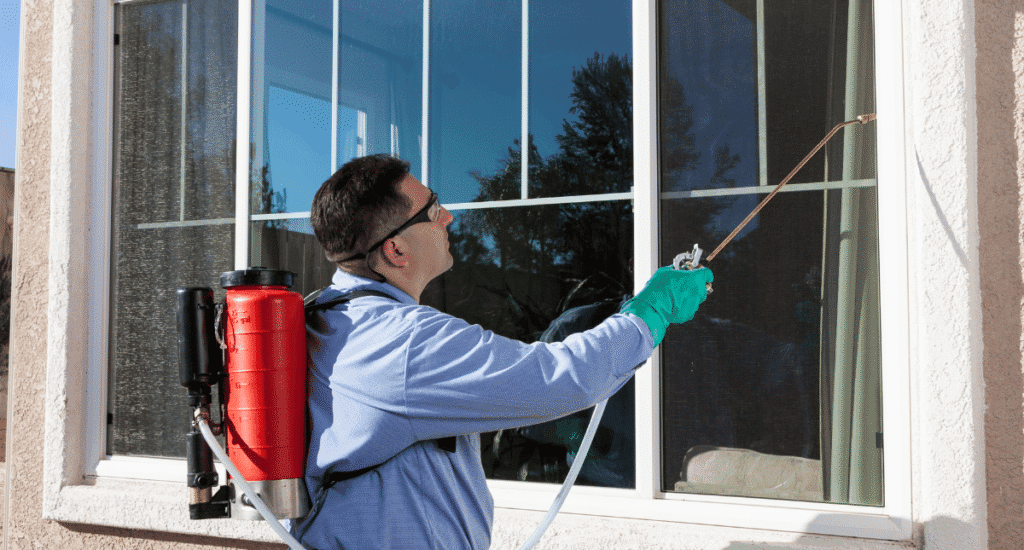
Step 2 — Spray With Atticus Decito CS Insecticide
Mix and apply:
Atticus Decito CS — 0.8 fl oz per gallon of water
This product is labeled for indoor and outdoor use, and it works extremely well on spiders.
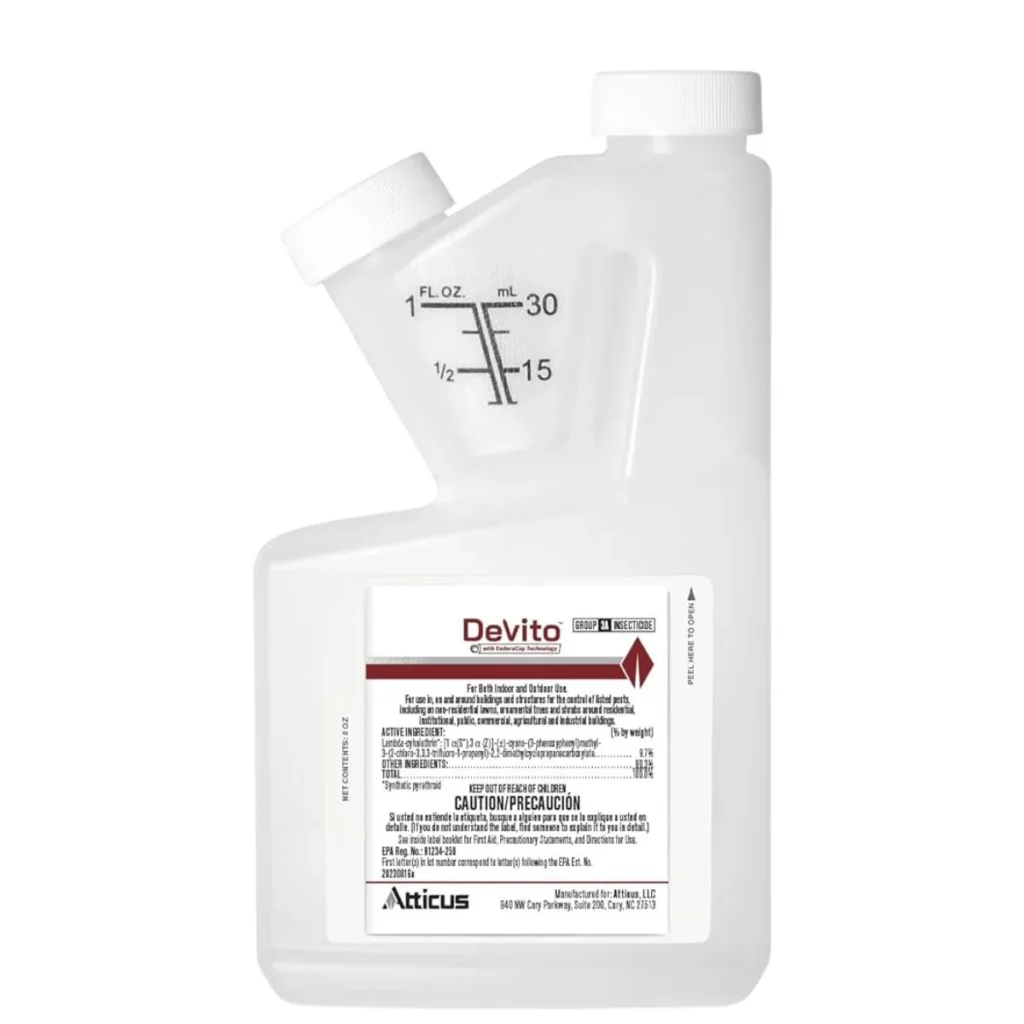
Atticus Devito CS Insecticide
Devito™ CS uses advanced EnduraCap Technology, which wraps the insecticide in tiny protective capsules so it sticks to insects better and lasts longer on surfaces. It works with lambda‑cyhalothrin, a trusted ingredient that stops insects by targeting their nervous system. The result is dependable, long‑lasting, broad‑spectrum control for many common indoor and outdoor pests.
- Formulated for fast + lasting insect control
- Long-lasting residual control
- EnduraCap Technology is a professional microencapsulated insecticide
- Ideal for perimeter defense
- Rapid-release for effective knockdown
- Use indoors or outdoors

Available on Amazon!
Why Microencapsulation Matters for Spider Control
Atticus Decito CS Insecticide is a microencapsulated insecticide, which is especially useful for spiders.
Here’s why.
Spiders behave differently from many insects:
- They do not groom themselves like ants or roaches
- They do not ingest pesticides
- They mainly pick up pesticide by walking across treated surfaces
Microencapsulated products leave behind tiny capsules that stick to a spider’s legs and body as it walks across treated areas.
These capsules:
- Transfer to the spider more easily
- Remain active longer
- Provide longer-lasting protection indoors and outdoors
How to Apply the Spray
Use a coarse spray, not a fine mist.
A coarse spray helps keep the microcapsules intact so more of them remain on surfaces and transfer to spiders.
Apply the treatment to:
- Baseboards
- Corners
- Window frames
- Door frames
- Light fixtures
- Garage baseboards
- Around plumbing lines
- Any area where spiders have been seen
Spiders tend to follow edges and build webs in protected corners, so those areas should receive the most attention.

Step 3 — Treat Outdoor Spider Hotspots
Many spider problems begin outside the home, so exterior treatment is important.
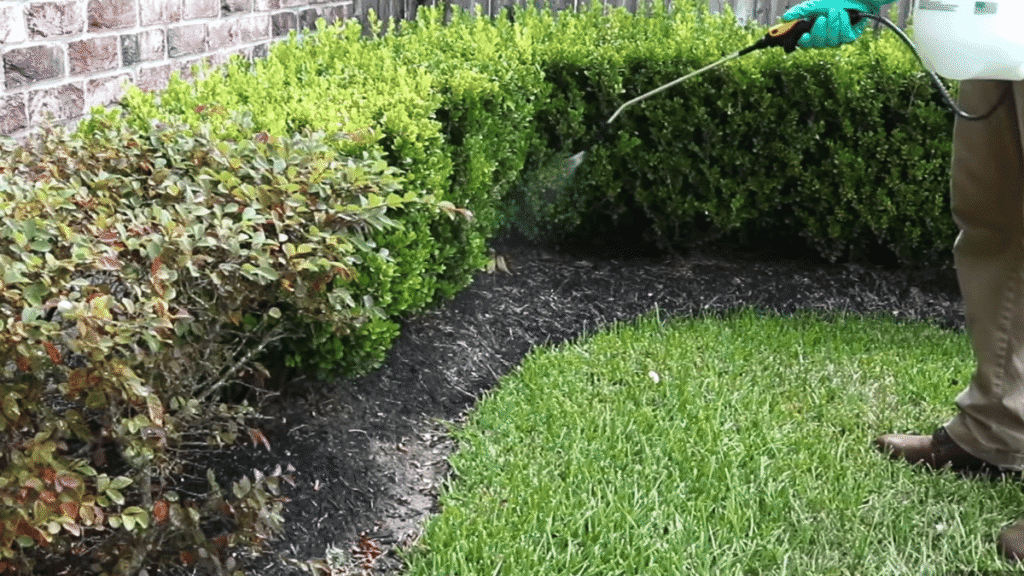
Focus on spraying:
- Around windows and doors
- Exterior light fixtures
- Soffits and eaves
- Porch ceilings
- Patio areas
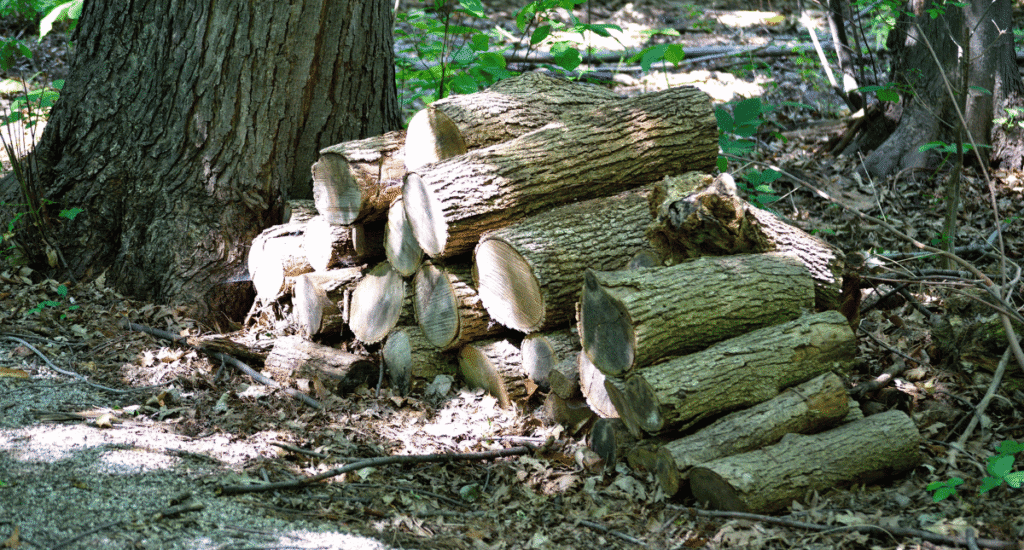
- Woodpiles (a major spider harborage)
- Sheds and storage areas
Reducing spider activity outside helps prevent them from moving indoors.
Treat Houseplants if Fungus Gnats Are Present
Houseplants sometimes develop fungus gnats, which attract spiders.
If you notice gnats or small webs around plants, treat the area by:
- Spraying the soil surface
- Treating the outside of the pot
- Spraying the floor area around the plant
This removes both the food source and the spiders at the same time.
Prevent Spiders From Returning
Long-term spider control comes down to removing the conditions that attract them.
Helpful prevention steps include:
- Reduce insects inside and around the home
- Seal gaps around doors and windows
- Keep outdoor lights off when possible (lights attract insects, which attract spiders)
- Keep clutter off floors and corners
- Trim bushes and plants away from the house
Spiders aren’t trying to live with you — they simply follow the insects.
When the food disappears, the spiders usually do too.
Spider Control Summary
Spiders appear when insects are present, so reducing insect activity helps prevent future spider problems.
For direct control:
- Knock down webs and egg sacs first.
- Spray Decito CS Insecticide at 0.8 oz per gallon indoors and outdoors.
- Use a coarse spray so the microcapsules remain effective.
- Treat corners, baseboards, windows, doors, light fixtures, woodpiles, and other spider hotspots.
Apply the spray anywhere you’ve seen spiders or anywhere you want to prevent them from building webs.
FAQ — How to Get Rid of Spiders
Identification & Behavior
Why do I have spiders in my house?
Spiders show up because there’s food. If you have flies, ants, roaches, or fungus gnats, spiders follow the food source. Fixing the insect problem reduces spider activity long‑term.
Do spiders mean my house is dirty?
No. Spiders are usually a sign of insects, not cleanliness. Even clean homes get spiders if there’s a food source or easy entry points.
Where do spiders usually hide indoors?
Corners, baseboards, behind furniture, around windows and doors, near light fixtures, and in garages. They prefer quiet edges where insects travel.
Treatment & Products
What’s the best spray for getting rid of spiders?
Use Decito CS Insecticide at 0.8 oz per gallon. It’s labeled for indoor and outdoor use and works extremely well because it’s microencapsulated.
Why does micro-encapsulation matter for spiders?
Spiders don’t groom themselves, so they don’t ingest pesticides.
Microcapsules stick to their legs and bodies better, giving you stronger and longer‑lasting control.
How should I apply the spray for spiders?
Use a coarse spray to avoid breaking the microcapsules. Spray corners, baseboards, window frames, door frames, light fixtures, and any areas where spiders build webs.
Do I need to knock down spider webs before spraying?
Yes. Knock down webs and egg sacs with a broom or brush. The spray works best on a clean surface, and removing webs forces spiders to cross treated areas.
Indoor Spider Control
Where should I spray indoors for spiders?
Spray baseboards, corners, window and door frames, light fixtures, garage edges, and plumbing lines. Treat any place you’ve seen spiders or want to prevent them.
Can houseplants cause spider problems?
Yes. Houseplants often develop fungus gnats, which attract spiders. You can spray the soil surface and the outside of the pot with LambdaStar UltraCap.
Will spraying inside get rid of spiders permanently?
It removes the spiders you have, but long‑term control depends on reducing insects, sealing entry points, and treating the exterior.
Outdoor Spider Control
Where should I spray outside for spiders?
Spray around windows, doors, soffits, porch ceilings, exterior lights, and siding edges. Also treat woodpiles, sheds, and landscaping where spiders build.
Why are woodpiles a spider hotspot?
Woodpiles create warm, protected gaps that attract insects — which attract spiders. Spray the woodpile and keep it away from the home if possible.
Do outdoor lights attract spiders?
Indirectly. Lights attract insects, and insects attract spiders. Reducing nighttime lighting helps reduce spider activity.
Prevention & Long‑Term Control
How do I keep spiders from coming back?
Reduce insects (their food), seal gaps around doors and windows, knock down webs regularly, and treat both inside and outside with a long‑lasting spray.
Do spiders come inside more during certain seasons?
Yes. You’ll see more spiders during warm, humid months and when insect activity increases.
Is it normal to still see a few spiders after spraying?
Yes. Spiders must walk across treated surfaces to pick up the microcapsules. You’ll see activity drop as they contact the spray.