
TL;DR: How To Treat And Control Roof Rats
Step 1 — Trim & Modify the Environment
Trim branches and vegetation away from the house.
Step 2 — Exclude Entry Points
Seal gaps ½ inch or larger around the roofline.
Step 3 — Trap in the Attic
Use snap traps or enclosed traps mounted on rafters and beams.
Step 4 — Use Outdoor Bait Stations
Reduce the exterior population before they reach the home.
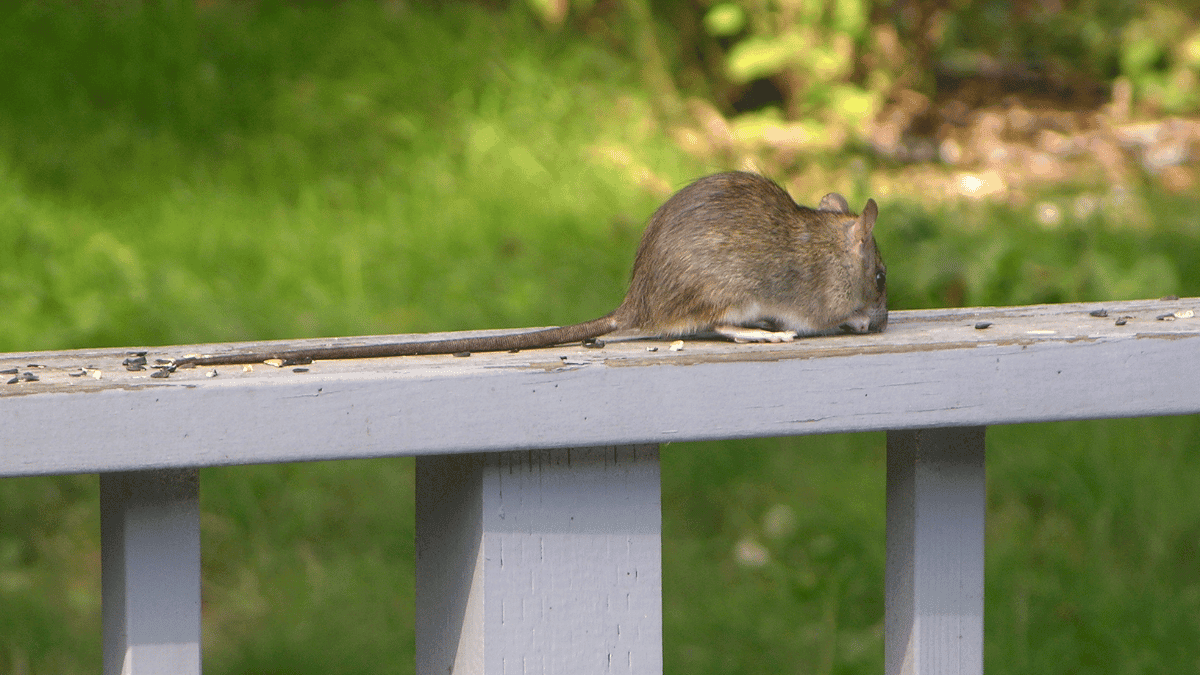
Roof rats — often called tree rats — are not ground dwellers. They live and travel above you.
They run fence lines, power lines, tree branches, and roof edges. Then they slip into small gaps along the roofline and move straight into the attic. Once inside, they nest in insulation, chew wiring, contaminate storage, and reproduce quickly.
If you’re hearing scratching in the attic at night or seeing rats moving along fences and trees, this is almost always a roof rat issue.
Below is the exact, field-proven protocol used to identify, remove, and prevent roof rats.

How to Identify Roof Rats (Tree Rats)
Roof rats look and behave differently than other rats. Correct identification matters because their control strategy is different from ground-burrowing rats.
Physical Characteristics
- Smaller and slimmer body
- Large ears and large eyes
- Pointed nose
- Tail longer than the head + body
Behavioral Clues
- Excellent climbers
- Nest in attics, walls, trees, palms, ivy, and roof structures
- Usually enter homes above 6 inches off the ground
- Commonly seen running along fences and branches
If activity is overhead — attic noises, roofline movement, fence travel — you are almost certainly dealing with roof rats.
Step 1 — Trim Vegetation & Modify the Environment
Roof rats depend on elevated access. Trees, vines, shrubs, and fences are their highways.
Removing those highways dramatically reduces activity.
Trim Vegetation
- Trim tree branches 6–10 feet away from the roof
- Cut back palm fronds touching the home
- Remove vines such as ivy, bougainvillea, jasmine, etc.
- Thin dense shrubs near the structure
Remove Attractants
- Harvest fruit promptly from fruit trees
- Clean up fallen fruit daily
- Secure compost bins
- Keep trash cans tightly sealed
This step alone can significantly reduce roof rat pressure.
Step 2 — Exclusion: Seal All Entry Points
Roof rats can squeeze through openings ½ inch or larger, especially around the roofline.
Sealing those gaps is critical — but it must be done at the right time.
Important: Perform exclusion after reducing the active population so you don’t trap rats inside the structure.
Areas Professionals Seal
- Roofline gaps and construction joints
- Attic vents (screened with 16–19 gauge hardware cloth)
- Gable vents
- Roof returns and soffits
- Gaps around utility and HVAC penetrations
- Openings around A/C line entry points
- Gaps in fascia or lifted shingles
Materials Commonly Used
- 16–19 gauge hardware cloth
- Metal flashing
- Steel wool + sealant
- Exterior-grade sealants
Roof rats exploit the smallest weaknesses. A thorough, methodical inspection is key.
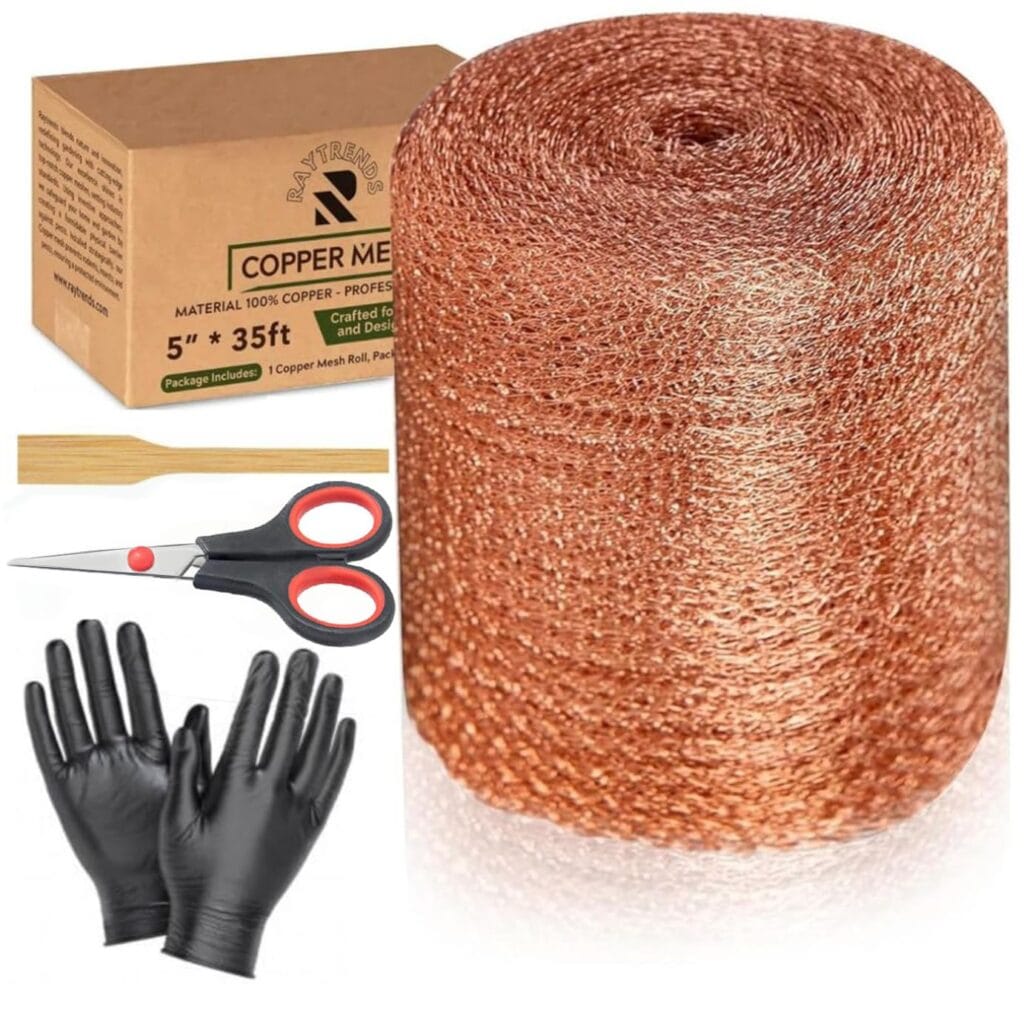
Copper Mesh Rodent Control Kit
Copper Mesh Rodent Control Kit includes 100% pure copper mesh roll plus gloves, scissors, and a handy packing tool for sealing gaps & cracks with a long‑lasting, rust‑proof barrier rodents can’t chew through. Flexible, and easy to pack tightly into wall creases and pipe penetrations, it provides a durable exclusion solution for blocking mice, rats, slugs, and other pests.
- Fire-resistant & rustproof
- Gloves & Scissors included
- Packing tool packs mesh deep into tight siding grooves where mice try to sneak in.
- Multi-pest protection
- Ideal for rodent exclusion around a/c line gaps

Available on Amazon!
Step 3 — Attic Trapping & Removal
Trapping is the most controlled and predictable removal method inside the home.
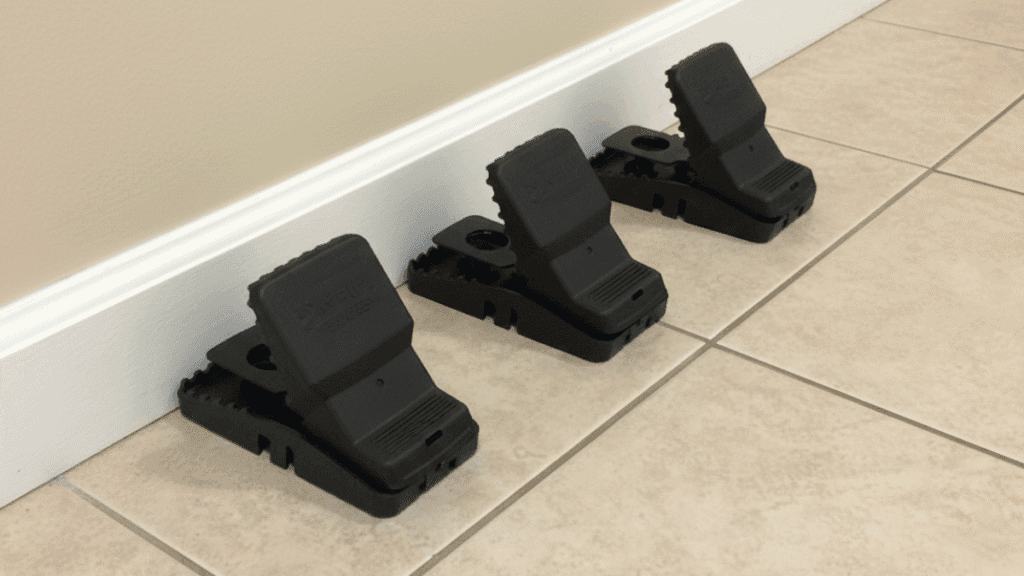
Trap Types
- Snap traps
- Enclosed snap traps
- Rat-specific live traps (optional)
Placement Rules
Roof rats travel above, not across the floor.
- Mount traps on rafters, beams, or elevated travel routes
- Place traps high — not just on the attic floor
- Set traps along visible runways, droppings trails, and warm areas
- Use multiple traps for faster results
Best Baits for Roof Rats
- Peanut butter
- Dried fruit
- Nuts
- High-fat, high-protein foods
Why Trapping Works Best
- Immediate results
- No risk of rats dying in walls
- No secondary poisoning
- Confirms activity and direction of travel
When set correctly along travel routes, trapping is highly effective.
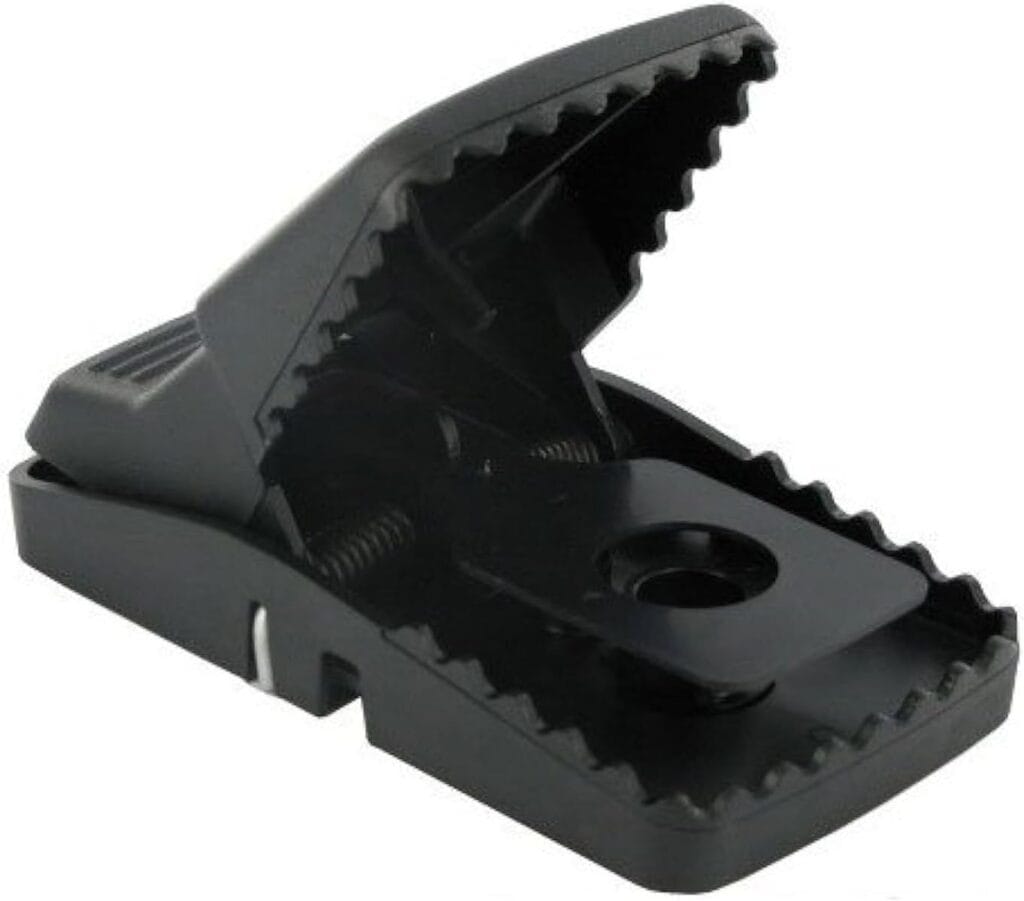
Bell Labs Trapper T-Rex Rat Trap (4 Traps)
The Bell Labs T‑Rex Rat Trap delivers professional‑grade snapping power with an easy, one‑handed squeeze‑to‑set design and a deep bait cup that holds Slim Jims or peanut butter securely while you place the trap. Its strong spring, serrated jaws, and reliable trigger make it one of the most effective and user‑friendly rat traps on the market.
- Easy One‑Handed Setup — Just squeeze until it clicks; no struggling, no pinched fingers.
- Deep Bait Cup — Holds Slim Jim pieces, peanut butter, or other baits without rolling or smearing.
- Powerful Snap Action — Strong spring and serrated jaws deliver fast, humane kills.
- Professional‑Grade Build — Durable enough for repeated use indoors or outdoors.
- Safe to Position — Set the trap first, then place it without your fingers near the jaws.
Available on Amazon!
Step 4 — Outdoor Bait Stations (Optional but Very Effective)
Roof rats typically live and breed outside before entering structures. Reducing the exterior population lowers reinfestation risk.
Outdoor bait stations intercept them before they reach the attic.
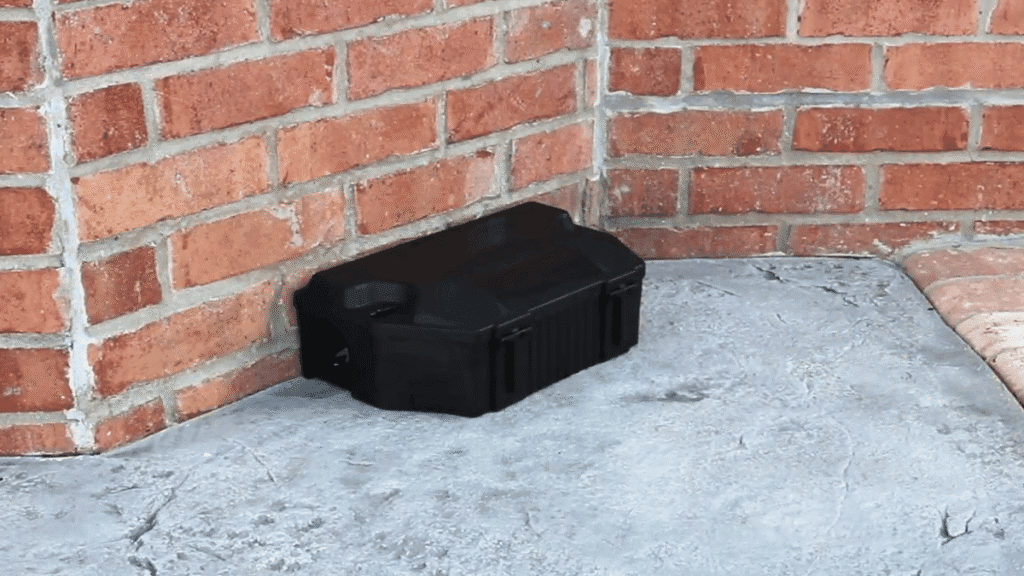
Placement Options
- Along exterior walls
- On fences (stations can be screwed directly to the fence)
- On trees (yes — professionals sometimes mount them on trees)
- Near sheds, garages, or cluttered areas
Moisture Protection
- Keep stations away from sprinklers
- Protect lids from rain
- Never allow bait to sit in standing water
Maintenance
- Check and refill monthly
Outdoor baiting works best as part of a complete program that includes trimming and exclusion.
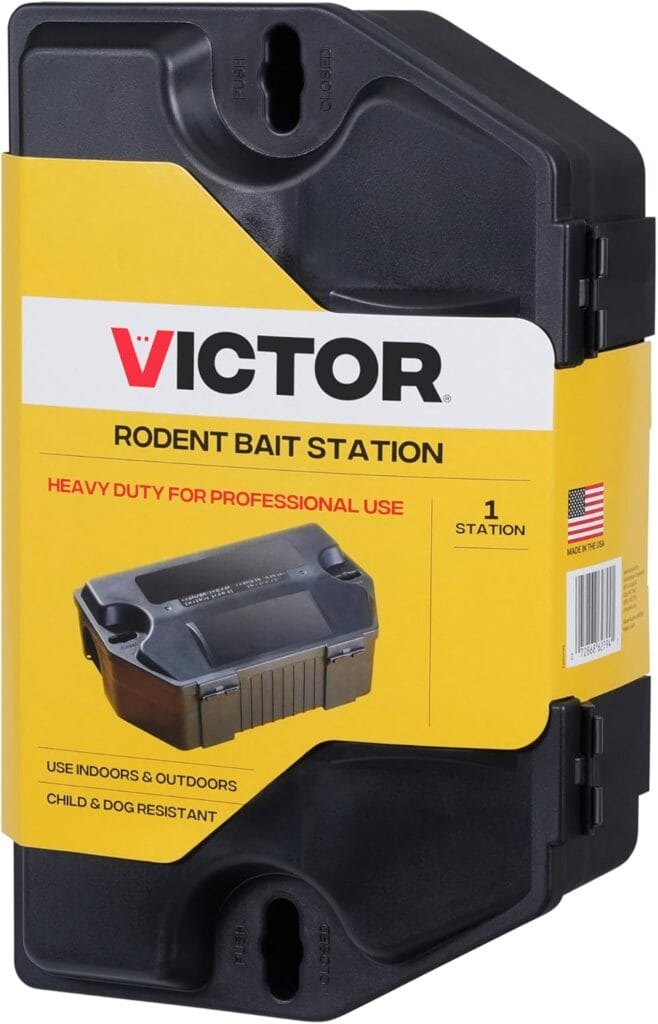
Victor Refillable Rodent Bait Station
This extra‑large Victor Refillable Rodent Bait Station holds multiple bait blocks, giving you a powerful, secure way to control infestations from the outdoors. Its dual‑entry design, locking lid, and heavy‑duty build make it a safe, reliable option for long‑term rodent control around your home.
- XL Capacity holds several bait blocks at once
- Locking, tamper resistant lid
- Heavy-duty construction
- Professional grade design
Available on Amazon!
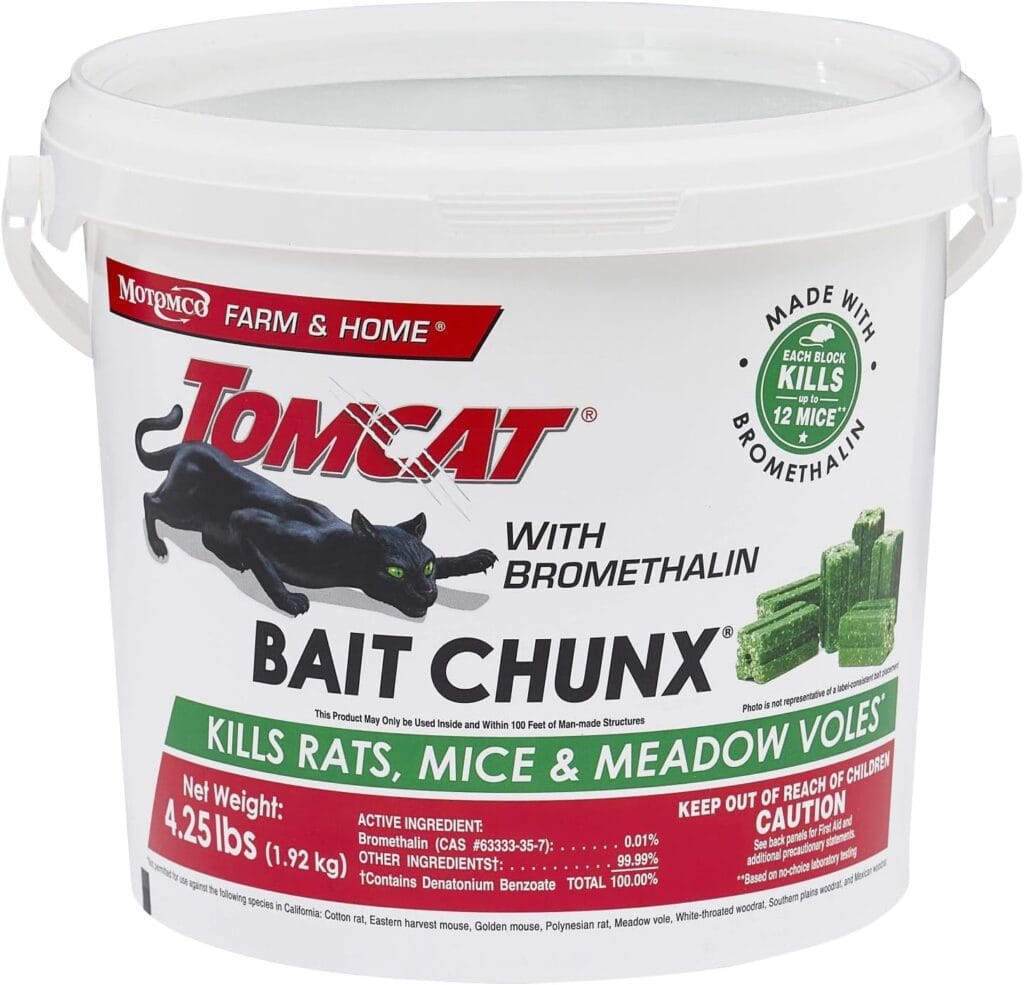
Tomcat Rodent Bait
Long‑lasting rodent bait, delivering dependable control of rats and mice even in damp, wet, or high‑moisture areas. Its weather‑resistant formulation holds up outdoors and begins working within a few days of consistent feeding.
- All-weather formula
- Kills in 4-6 days
- 4 lb pail
Available on Amazon!
Long-Term Roof Rat Prevention
Roof rats return when food, shelter, and access routes remain available.
Ongoing prevention keeps pressure low.
Vegetation & Access Control
- Keep trees trimmed 6–10 feet from the roof
- Remove vines from walls
- Thin dense shrubs
Food Source Management
- Pick fruit promptly and clean up fallen fruit daily
- Store chicken feed in sealed containers
- Keep bird feeders far from the home (spilled seed attracts rats)
Final Thoughts
Roof rats are agile, intelligent climbers that approach homes from above. Successful control always follows the same structure:
- Remove access routes
- Seal entry points
- Trap interior activity
- Reduce the exterior population
When those steps are done in the correct order, roof rat problems can be eliminated and kept from returning.
FAQ’s: Tree & Roof Rats
Identification & Behavior
What are roof rats (tree rats)?
Roof rats, also called tree rats, are slim, agile climbers with large ears, large eyes, a pointed nose, and a tail longer than their head and body combined. They nest in attics, trees, palms, ivy, and roof structures.
How do I know if I have roof rats?
Common signs include scratching in the attic at night, droppings in insulation, gnaw marks on rafters, oily rub marks along beams, fruit disappearing from trees, and rats running along fences or power lines.
Where do roof rats usually nest?
Roof rats prefer elevated nesting sites such as attics, walls, palm trees, dense shrubs, ivy, bougainvillea, and roof overhangs. They rarely burrow underground.
How do roof rats get into homes?
They enter from above, using trees, vines, fences, and rooflines. Once on the roof, they slip into gaps around soffits, vents, roof returns, and utility penetrations.
How big of a hole can a roof rat fit through?
Roof rats can squeeze through openings ½ inch or larger, especially around the roofline.
Entry Points & Exclusion
What are the most common roof rat entry points?
- Gaps in soffits and fascia
- Attic vents
- Gable vents
- Roof returns
- Construction gaps
- A/C line entry points
- Gaps around utility penetrations
- Vines or branches touching the roof
How do I keep roof rats from getting into my attic?
Trim all vegetation away from the home, remove vines, seal elevated gaps with hardware cloth or metal flashing, and screen attic vents with 16–19 gauge hardware cloth.
Should I seal the home before trapping roof rats?
No. Roof rats must be reduced first, then exclusion is done afterward. Sealing too early can trap rats inside the attic.
What materials should I use to seal roof rat entry points?
Professionals use:
- Heavy‑duty vent screens
- 16–19 gauge hardware cloth
- Metal flashing
- Steel wool + sealant
- Exterior‑grade sealants
Do roof rats chew through roofs?
They don’t usually chew through shingles, but they will exploit lifted shingles, construction gaps, and weak soffits. They also chew through foam, plastic, and thin wood.
Trapping & Indoor Control
What’s the best way to trap roof rats in the attic?
Use snap traps or enclosed traps placed high on rafters, beams, and travel routes. Roof rats rarely run on attic floors — they stay elevated.
What’s the best bait for roof rats?
- Peanut butter
- Dried fruit
- Nuts
- High‑fat, high‑protein foods
How many traps should I use for roof rats?
Use 6–12 traps in an attic, depending on activity. More traps = faster results.
Why shouldn’t I use sticky traps for roof rats?
Sticky traps cause prolonged suffering and often lead to extremely stressful situations for homeowners. Snap traps or enclosed traps are more humane, more effective, and give cleaner results.
Should I use poison inside the attic?
No. Indoor baiting leads to rats dying in walls, vents, and insulation. Always trap indoors and use bait outside only.
Are glue traps good for catching roof rats?
Glue traps are not recommended for roof rats. They rarely work well on larger rats, and when a roof rat gets stuck, it doesn’t lead to a quick or humane outcome. Homeowners often end up facing a stressful situation they never intended to deal with, and the rat may suffer for a long time before anything happens.
Snap traps or enclosed traps are far more effective and humane. They give you a clean, quick result, they’re easier to check in attics, and they avoid the unpleasant scenarios that glue boards create. For roof rats, stick with elevated snap traps or enclosed traps placed on rafters, beams, and travel routes — you’ll get better results with far less hassle.
How often should I check roof rat traps in the attic?
Check roof rat traps every 24 hours. Attics get hot, and you don’t want anything sitting too long. Checking daily also lets you reset traps quickly, monitor activity, and confirm whether the population is going down. If activity is heavy, checking morning and evening can speed up results.
Should I check roof rat traps more often when activity is high?
Yes. If you’re hearing a lot of noise or seeing fresh droppings, check traps twice a day. Roof rats move fast through attic spaces, and frequent checks help you catch multiple rats in a short period. Once activity slows, you can go back to checking once per day.
Do I need to attach a string to roof rat traps in the attic?
It’s a good idea. Roof rats are strong, and if a trap doesn’t kill instantly, they can sometimes drag it a short distance. Attaching a string or zip‑tie from the trap to a rafter or beam keeps the trap in place so the rat can’t crawl off somewhere inaccessible. This makes cleanup easier and prevents the rat from ending up in insulation or tight corners.
Why do professionals tie traps to rafters when trapping roof rats?
Because roof rats travel along elevated beams and rafters. When a trap is mounted high and secured with a string or zip‑tie, it stays exactly where you placed it. This prevents the trap from being dragged into insulation, wall voids, or unreachable areas. It also keeps your trapping grid organized so you can track which routes are active.
Outdoor Bait Stations
Do outdoor bait stations help with roof rats?
Yes. Roof rats often travel along fences and elevated structures. Outdoor bait stations reduce the population before they reach your roof.
Where should I place bait stations for roof rats?
- Along exterior walls
- On fences (you can screw stations directly to the fence)
- On trees (professionals sometimes mount them on trees)
- Near sheds or garages
- Away from sprinklers and standing water
How often should I refill bait stations?
Check and refill monthly.
Does wet bait still work?
No. Wet bait is ineffective. Keep stations protected from rain and irrigation.
Environment & Attractants
Do fruit trees attract roof rats?
Yes. Fruit trees are one of the biggest attractants. Pick fruit promptly and remove fallen fruit daily.
Do bird feeders attract roof rats?
Yes. Spilled seed is a major food source. Keep feeders far from the home or use catch trays.
Do chickens attract roof rats?
Yes. Chicken feed, spilled grain, and warm coops attract roof rats. Store feed in sealed containers and keep the area clean.
Do palm trees attract roof rats?
Yes. Roof rats love nesting in palm skirts and dense fronds. Trim palms regularly.
Do vines like ivy or bougainvillea attract roof rats?
Yes. Vines create perfect cover and climbing routes. Removing vines dramatically reduces activity.
Safety, Damage & Risks
Are roof rats dangerous?
They avoid confrontation but can contaminate surfaces with droppings and urine. The biggest risks are property damage and contamination, not aggression.
Can roof rats cause electrical problems?
Yes. They chew wiring in attics, which can lead to electrical issues or, in extreme cases, fire hazards.
Do roof rats bite?
They rarely bite unless cornered or handled. They prefer to flee rather than fight.
Do roof rats carry diseases?
They can carry bacteria and pathogens, but the primary concern is contamination from droppings and urine.
Long‑Term Prevention
How do I prevent roof rats from coming back?
- Trim trees 6–10 feet from the roof
- Remove vines
- Thin shrubs
- Seal elevated gaps
- Maintain attic vent screens
- Store food in sealed containers
- Keep trash and compost secured
Will roof rats leave on their own?
Not usually. They’re comfortable in attics and will stay unless removed through trapping or exclusion.
Do roof rats return to the same house?
Yes. If access routes and food sources remain, roof rats will return year after year.