
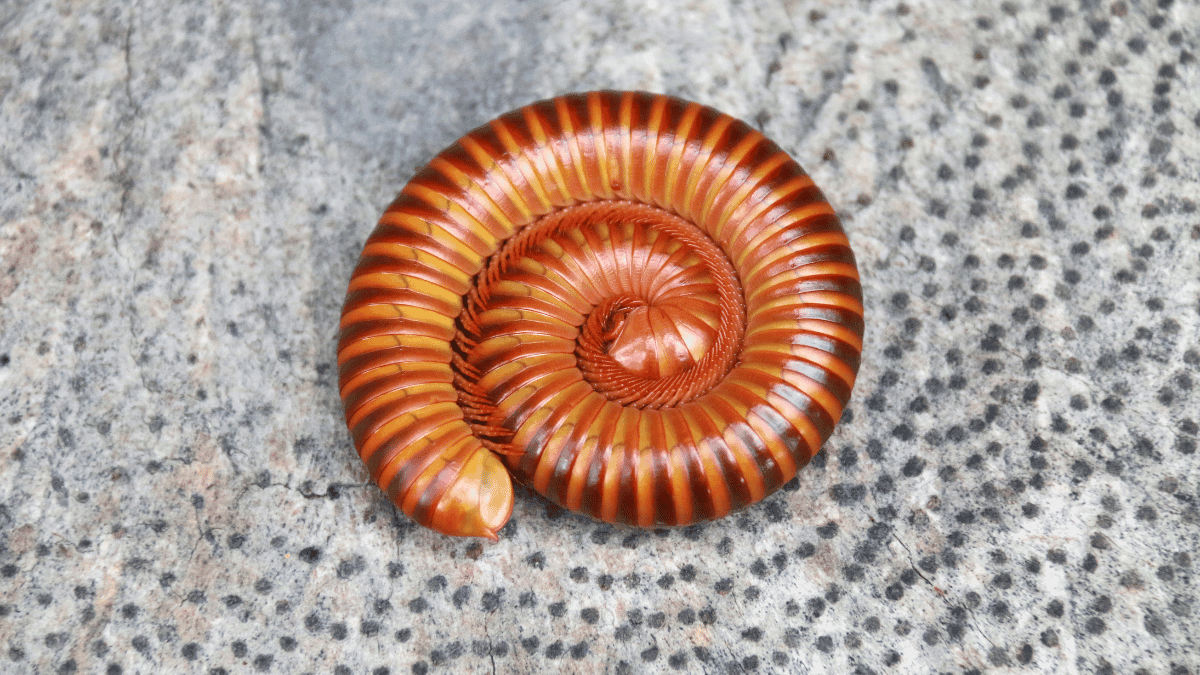
TL;DR: How To Treat And Control Millipedes
Millipedes show up when moisture stays too high. Once you correct the moisture and apply the right granules, they’re easy to eliminate.
Step 1 — Treat the yard.
Apply Bifin L/P granules at 2.3–4.6 lbs per 1,000 sq ft using a hand-crank or small drop spreader.
Step 2 — Fix moisture problems.
Reduce irrigation, clean up leaf litter, thin heavy mulch, and improve drainage so the soil can dry out.
Control the moisture, and the millipedes stop coming back.
Why Millipedes Appear Around Homes
Millipedes aren’t a structural pest. They don’t damage homes, and they don’t infest dry environments.
They show up when conditions stay consistently damp, such as:
- Over-irrigated lawns
- Soggy mulch beds
- Leaf litter that never dries
- Shaded landscaping
- Poor drainage
When moisture stays high, millipede populations explode. When it dries out, they disappear.
That’s why the solution is always a combination of yard treatment + moisture control.
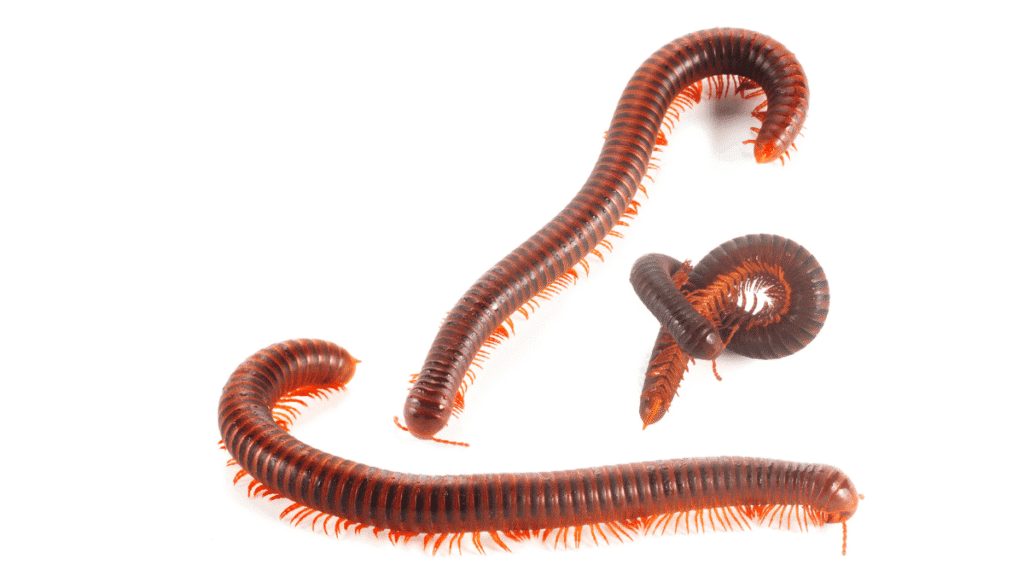
Step 1 — Apply Bifin L/P Granules (Primary Control)
Bifin L/P is the standard treatment for millipedes because it creates a long-lasting soil barrier. Millipedes crawl across treated areas and die over the next few days.
Application Rate
Apply 2.3–4.6 lbs per 1,000 sq ft.
The granules are very fine — almost like play sand — so use a low spreader setting to avoid over-application.
Where to Apply
Spread granules evenly in:
- Landscape beds
- Lawn areas at least 10 feet away from the house
- Areas where millipedes crawl or hide
- Low spots where moisture collects
Hand-spreading does not work. You won’t get even coverage.
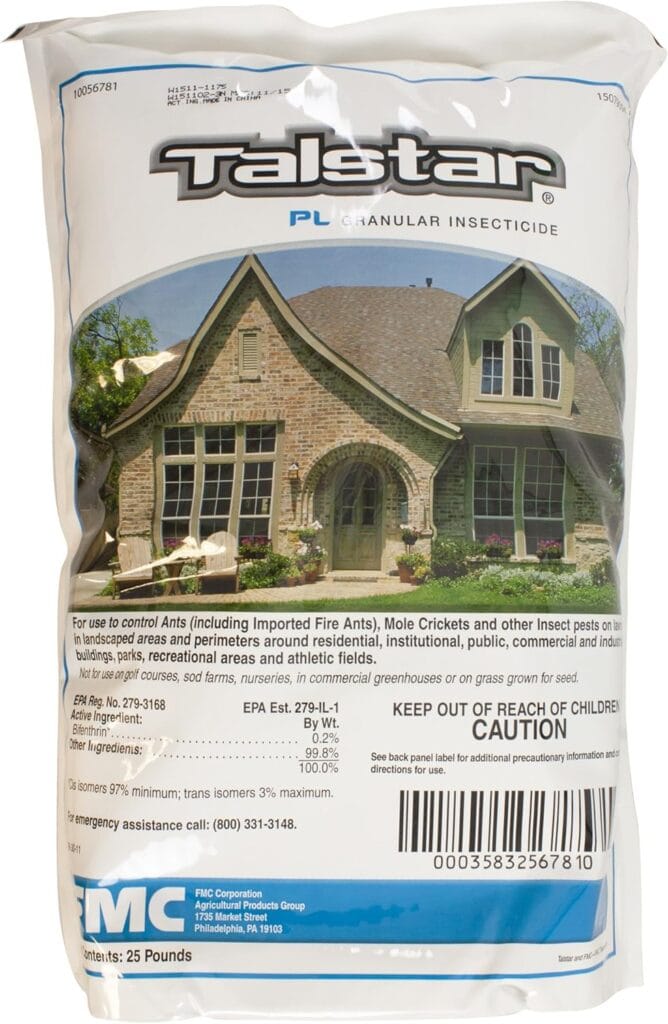
Talstar PL insecticide Granules
Talstar PL Granules are a long‑lasting, professional‑grade bifenthrin treatment designed to control ants, fire ants, mole crickets, millipedes, and a wide range of lawn‑invading insects around homes, landscapes, and commercial properties.
- Long‑Lasting Control: Designed to provide extended protection in soil and turf environments.
- Granular Formulation: Easy to spread with a broadcast spreader; activates with irrigation or rainfall.
- Low‑Odor Formula: Virtually no smell during application.
- Even Distribution: Sand‑like granules spread smoothly and evenly.
- Great for Perimeter Defense: Creates a protective band around the foundation.
- Professional‑Grade Performance: Trusted bifenthrin formula used by pros.

Available on Amazon!
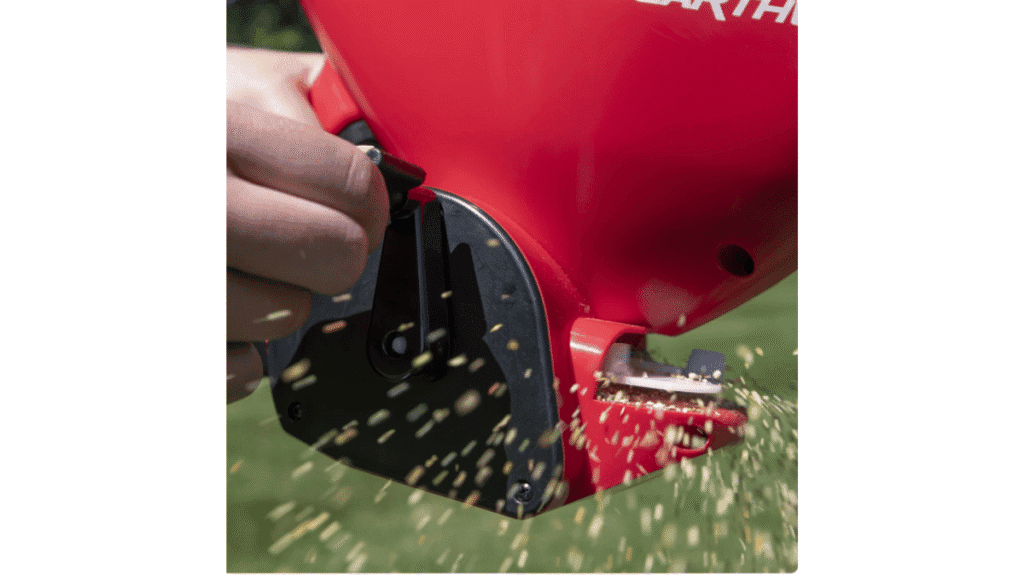
Watering In (Required)
Bifin L/P must be watered in to activate.
- Lightly irrigate after application
- Allow granules to dissolve into the top layer of soil
- Keep children and pets off treated areas until fully dry
What to Expect
- Knockdown: Up to 3 days
- Residual protection: Up to 3 months
This is a long-term soil treatment, not an instant kill.
Bifen LP Granules Label – Bifen LP Granules MSDS
Step 2 — Fix the Moisture Problems (Critical)
Millipedes will keep returning if the environment stays wet — no matter how much product you apply.
Common Moisture Triggers
- Over-watering or frequent irrigation
- Sprinklers running too often
- Thick mulch holding moisture
- Leaf litter piled against the foundation
- Shaded beds that never dry
- Poor drainage
What to Fix
- Reduce irrigation frequency
- Remove excess leaf litter
- Thin out heavy mulch
- Improve drainage where possible
- Keep soil and mulch pulled back from the foundation
Once the soil can dry out, the granules work far more effectively.
Preventing Millipedes From Entering the Home
Millipedes usually enter accidentally while wandering through damp areas.
Reduce indoor sightings by sealing common entry points.
Check and Replace:
- Door sweeps
- Garage door seals
- Weatherstripping
- Gaps around thresholds
These small fixes go a long way toward stopping indoor activity.
Clean Up Excess Organic Material
Millipedes feed and hide in decaying organic matter.
Reduce pressure by cleaning up:
- Leaf piles
- Thick mulch layers
- Damp soil buildup
- Rotting plant material
If mulch or leaf litter is excessive, clean it up before applying granules. Treatments work better when the soil surface is exposed.
Equipment You’ll Need
To apply Bifin L/P properly, use one of the following:
Hand-Crank Spreader
Best for landscape beds, tight areas, and around shrubs. Provides controlled, even coverage.
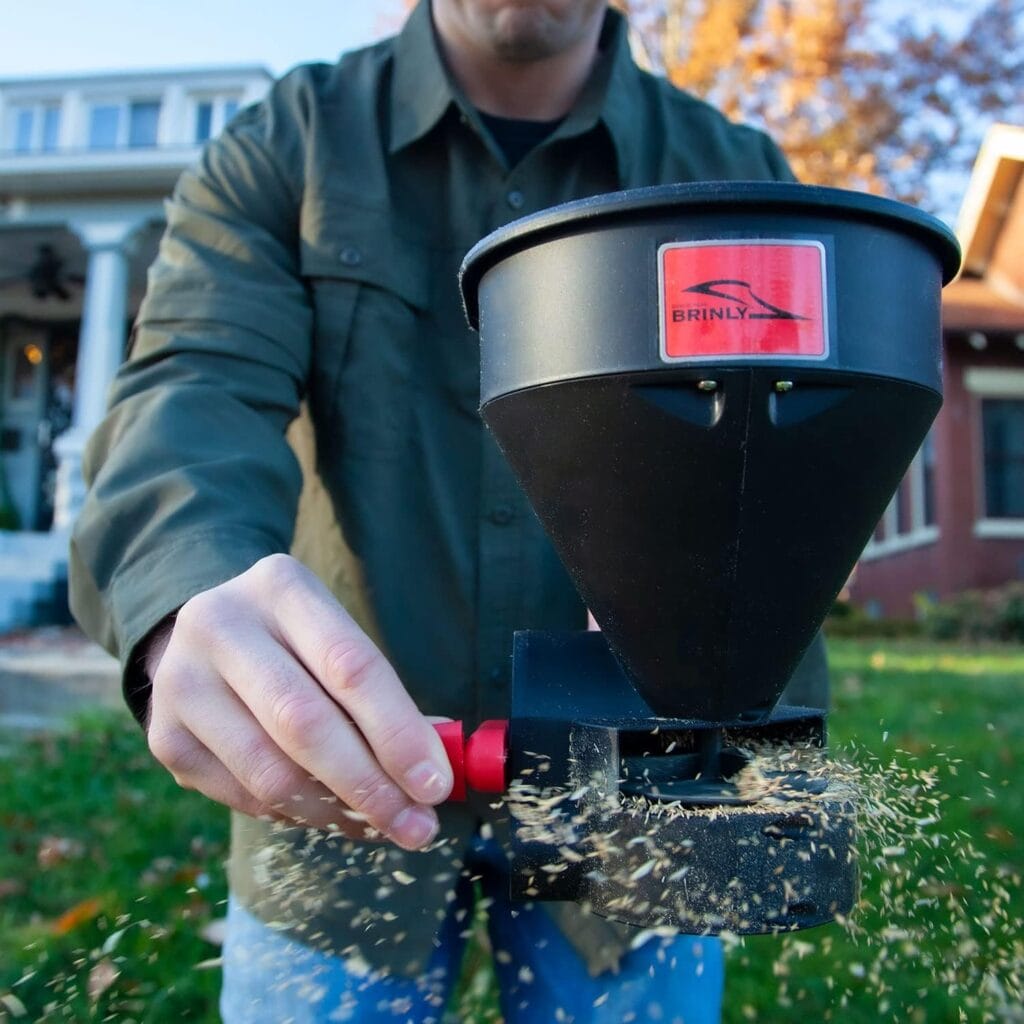
Brinly 5lb. All-Season Handheld Spreader
The Brinly 5 lb. All‑Season Handheld Spreader is a durable, easy‑fill crank spreader built for quick, even application of seed, fertilizer, ice melt, and granular pest control products in small or hard‑to‑reach areas.
- 5 lb Capacity: Holds 0.5 gal / 2 L for small, tight areas.
- Easy Scoop-and-Spread: Contoured lip fills easily; spreads up to 5 ft.
- Adjustable Flow Gate: Simple knob controls output precisely.
- Smooth Crank Action: Long crank and ergonomic handle for easy spreading.
- Professional‑Quality Spread: Throws granules in a clean, controlled pattern.
- Built Tough: Heavy‑duty poly hopper with enclosed gears and steel hardware.
Available on Amazon!
Small Drop Spreader
Best for lawns or larger planting beds.
Avoid hand application — consistency matters.
Final Summary — Millipede Control That Works
Millipedes appear when moisture levels stay too high.
The solution is straightforward:
- Apply Bifin L/P granules at 2.3–4.6 lbs per 1,000 sq ft using a proper spreader.
- Focus on beds and lawn areas at least 10 feet away from the house.
- Water the granules in to activate them.
- Expect knockdown within about 3 days and up to 3 months of residual control.
- Reduce moisture by adjusting irrigation, thinning mulch, removing leaf litter, and improving drainage.
- Replace worn door and garage seals to prevent indoor entry.
Fix the moisture, and millipedes stop being a problem.
FAQs About Getting Rid of Millipedes
Treatment
How do I treat my yard for millipedes?
Millipedes are best controlled by applying Bifin L/P granules at 2.3–4.6 lbs per 1,000 sq ft using a hand‑crank spreader or small drop spreader.
Apply the granules in landscape beds and lawn areas at least 10 feet away from the house, then water them in to activate the product. This creates a long‑lasting soil barrier that millipedes crawl across.
How long does it take for Bifin L/P granules to work?
Bifin L/P is not an instant‑kill product. Expect up to 3 days for full knockdown.
Once activated, the granules provide up to 3 months of residual protection, which is why they’re commonly used for long‑term millipede control and general pest prevention.
Do I need to water in Bifin L/P granules?
Yes — watering in is required. The granules must be lightly irrigated so they dissolve into the top layer of soil. Without water, the product won’t activate and won’t control millipedes effectively.
Safety
Are Bifin L/P granules safe for kids and pets?
Yes — after the product has been watered in and the treated area has fully dried.
Children and pets should stay off the lawn and beds until the granules are watered in and the surface is completely dry.
Once dry, the product is locked into the soil and safe to re‑enter.
Can I spread the granules by hand?
No. Hand‑spreading won’t give you an even layer, and you’ll either under‑apply or over‑apply. Use a hand‑crank spreader for small beds or a small drop spreader for lawns and larger areas. This ensures the correct 2.3–4.6 lb rate.
Moisture & Environment
Why do I keep getting millipedes around my house?
Millipedes thrive in moist, shaded, or over‑watered areas. Common causes include heavy mulch, leaf litter, excessive irrigation, and poor drainage. If the environment stays wet, millipedes will continue showing up even after treatment.
Should I remove mulch or leaf litter before treating?
Yes — if you have thick mulch or heavy leaf litter, clean it up before applying the granules. Removing excess organic material exposes the soil surface and helps the product work more effectively.
Prevention
How do I stop millipedes from getting inside my home?
Check and replace worn door sweeps, garage door seals, and weatherstripping. Millipedes often slip in through small gaps under doors, especially during wet weather. Sealing these entry points dramatically reduces indoor sightings.
Can I use Bifin L/P granules as a general pest prevention treatment?
Yes — Bifin L/P is commonly used as a preventative perimeter treatment. Many homeowners apply it every 2–3 months around the yard to prevent millipedes, ants, earwigs, and other crawling pests from building up near the home. It’s one of the most effective long‑term soil treatments for outdoor pest prevention.