TL;DR: How To Treat And Control Harvester Ants
Step 1 — If harvester ants are inside:
Place small dots of Advion Ant Bait Gel along active trails, or use Advion Gel Stations to keep the bait contained.
Step 2 — If harvester ants are outdoors:
Use Advion Ant Bait Arenas. Place them next to active trails, near nest entrances, and in shaded areas where ants are foraging.
Do not spray before or after baiting. Let the ants carry the bait back to the colony.
Understanding Harvester Ant Behavior (Why Bait Works)
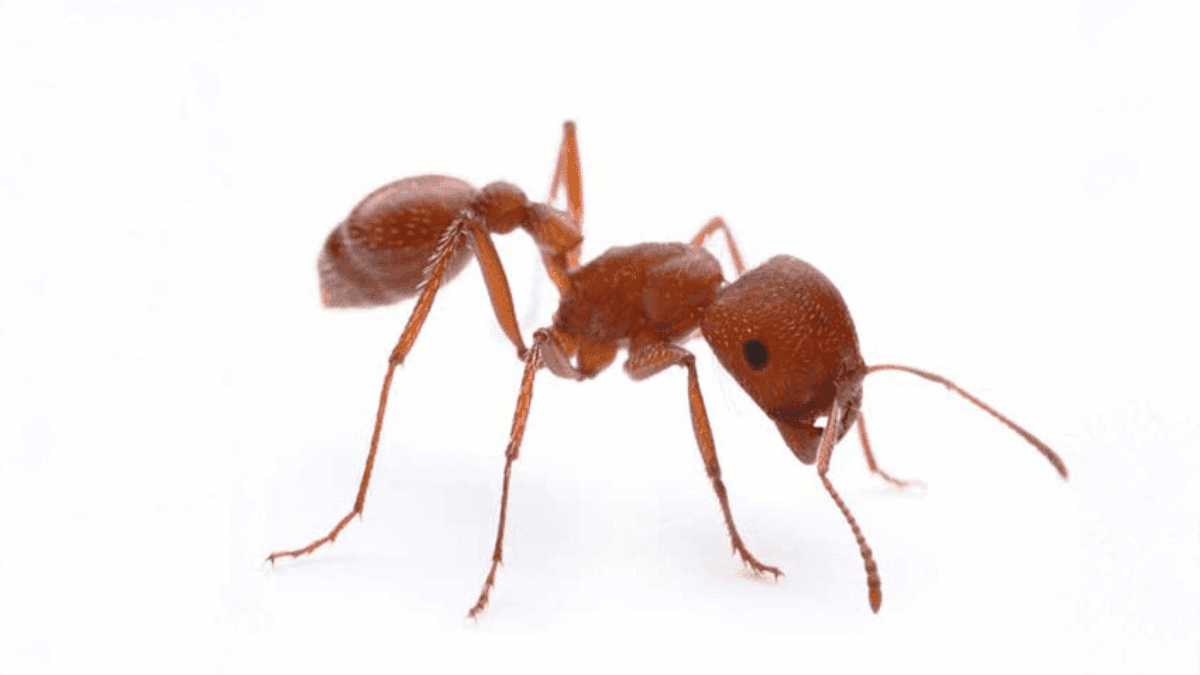
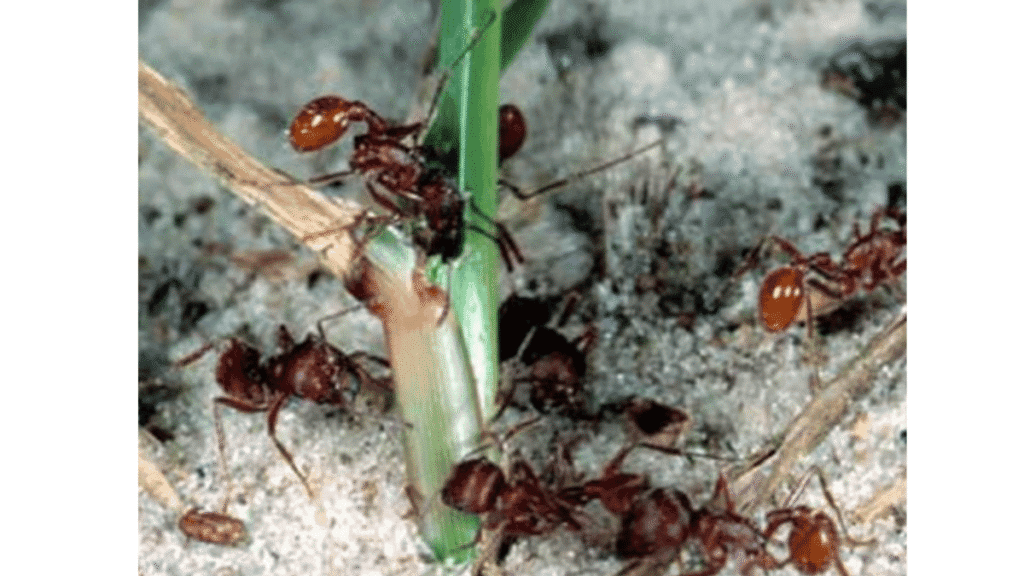
Harvester ants are different from most other lawn ants.
Their primary food source is seeds. They actively collect and store them, which makes them highly responsive to solid food baits.
That single trait is why baiting is the most effective and reliable control method.
They also build very distinctive nests.
Most harvester ant mounds have:
- A clean, bare entrance
- A circular area cleared of debris
- Little to no vegetation around the mound
That bare clearing makes identification easy — and it gives you an ideal place to position bait.
Step 1 — How to Treat Harvester Ants Indoors
InIndoor activity is less common, but it does happen.
When harvester ants enter a home, the best tool is Advion Ant Bait Gel.
How to Apply the Gel
- Place small dots as a crack-and-crevice treatment
- Position the bait directly along active trails
- Keep placements near where ants are entering
If you prefer a contained option, use Advion Ant Gel Stations. These keep the bait protected and reduce the risk of contamination.
The goal is simple: let foraging ants pick up the bait and carry it back to the colony. Once inside, it spreads through workers and larvae.
Do not spray near the bait. Sprays can disrupt feeding.
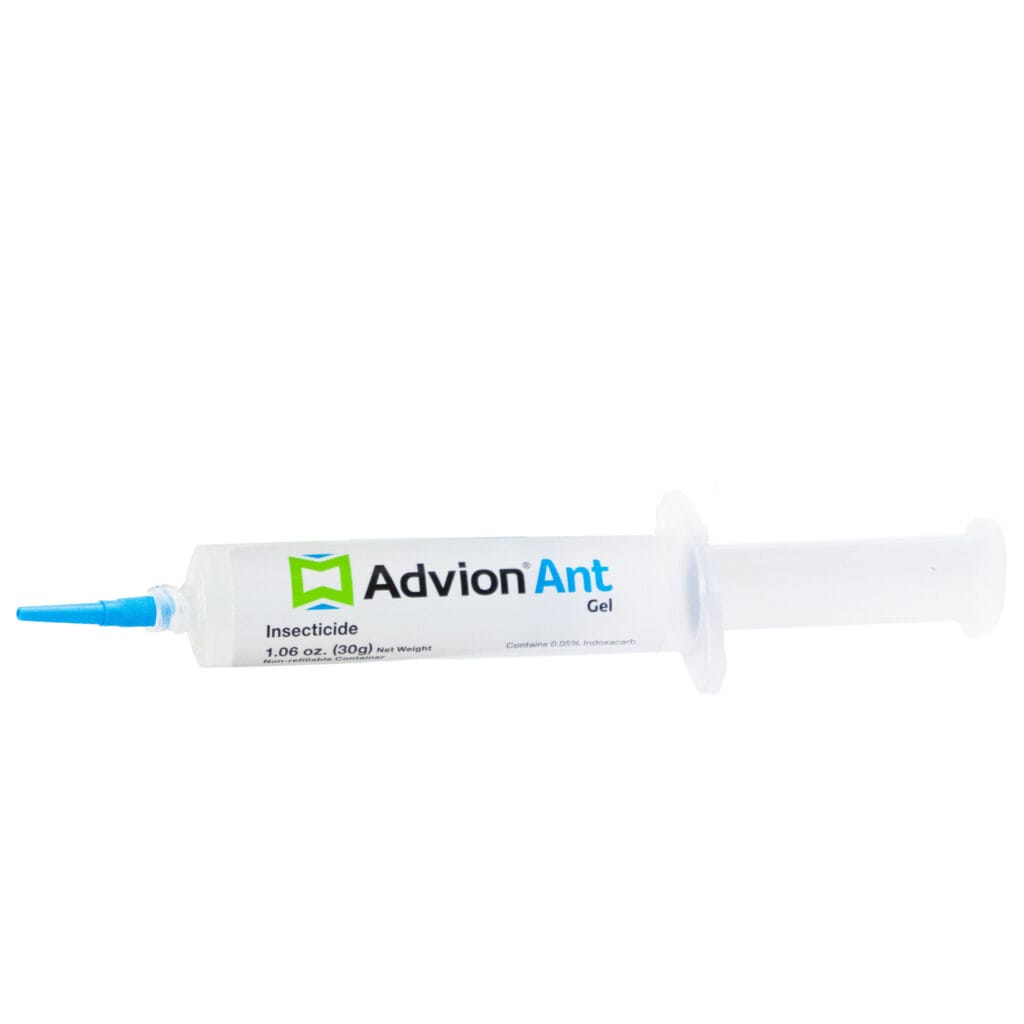
Advion Ant Bait Gel
Advion Ant Bait Gel is highly attractive to sweet‑feeding ants and uses indoxacarb, a powerful non‑repellent active ingredient. Its delayed‑kill action lets ants feed, return to the nest, and share the bait, leading to full colony elimination. Expect noticeable reduction within just a few days of application.
- Designed to be irresistible to sweet‑feeding ants
- The translucent, no odor, non-staining formulation maintains its integrity for extended periods
- Ants consume Advion Ant gel bait over an extended period, resulting in thorough control
- Works indoors and outdoors
- Doesn’t run or drip

Available on Amazon!
Advion Ant Bait Gel Label – Advion Ant Bait Gel MSDS
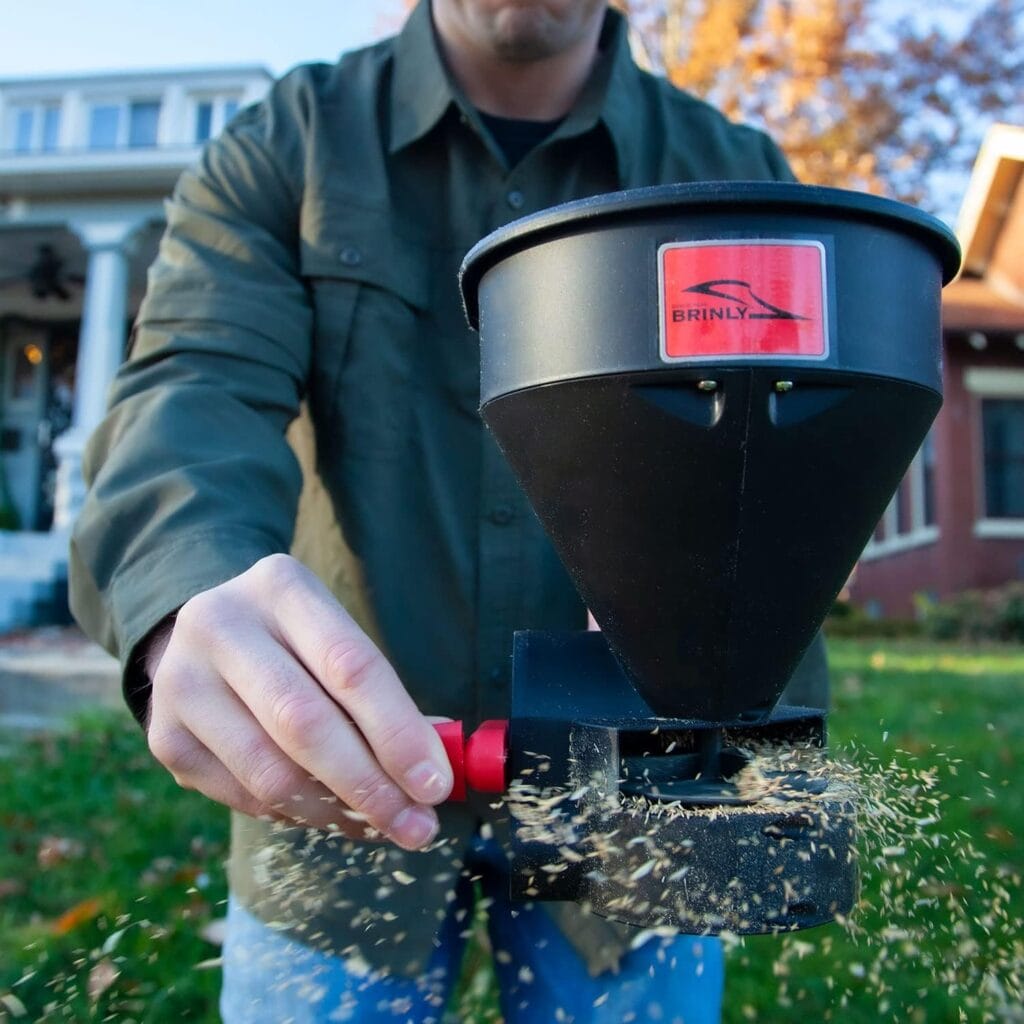
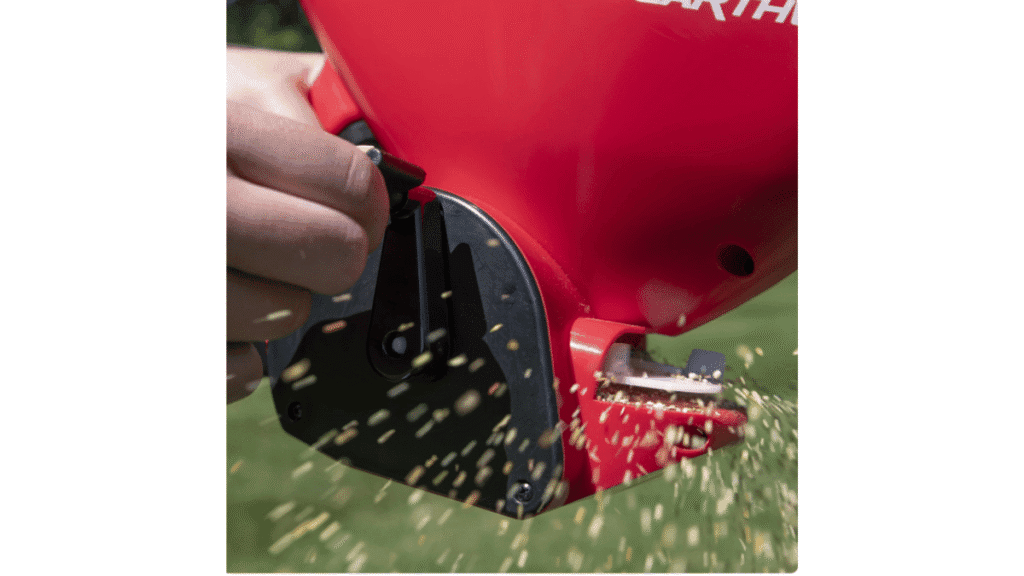
Brinly 5lb. All-Season Handheld Spreader
The Brinly 5 lb. All‑Season Handheld Spreader is a durable, easy‑fill crank spreader built for quick, even application of seed, fertilizer, ice melt, and granular pest control products in small or hard‑to‑reach areas.
- 5 lb Capacity: Holds 0.5 gal / 2 L for small, tight areas.
- Easy Scoop-and-Spread: Contoured lip fills easily; spreads up to 5 ft.
- Adjustable Flow Gate: Simple knob controls output precisely.
- Smooth Crank Action: Long crank and ergonomic handle for easy spreading.
- Professional‑Quality Spread: Throws granules in a clean, controlled pattern.
- Built Tough: Heavy‑duty poly hopper with enclosed gears and steel hardware.
Available on Amazon!
Step 2 — How to Eliminate Outdoor Harvester Ant Colonies
For outdoor control, Advion Ant Bait Arenas are the most reliable option.
These stations:
- Protect bait from weather
- Keep it fresh longer
- Make placement simple
Where to Place Arena Bait
- Directly next to active trails
- As close to the nest entrance as possible
- In shaded areas (UV light reduces bait acceptance)
- Near trees or vegetation where ants are foraging
Avoid placing bait in direct sunlight when possible.
And again — do not spray before or after baiting. Sprays interfere with foraging and can prevent ants from taking the bait back to the colony.
Advion Ant Bait Arena Label – Advion Ant Bait Arena MSDS
Best Time to Bait Harvester Ants
Timing matters.
Harvester ants are most active:
- Early morning
- Late evening
Applying bait during peak activity increases acceptance and speeds up colony impact.
Re-Baiting Large Harvester Ant Colonies
Harvester ant colonies can be large. Baits are slow-acting by design — that’s how they reach the queen and larvae.
If you still see activity after about a week:
- Re-bait the area
- Move the bait station slightly
Relocating the bait often triggers renewed interest. This is especially helpful when colonies have multiple entrances or separate foraging zones.
Why Sprays Don’t Work Well on Harvester Ants
Because harvester ants collect solid food, they naturally respond better to granular or gel baits.
Spraying may kill surface workers, but it:
- Does not eliminate the colony
- Can disrupt normal foraging
- Can reduce bait acceptance
Baiting allows ants to:
- Pick up the product
- Carry it underground
- Feed it to larvae
- Spread it through the colony
That’s how you eliminate the colony at its source.
Final Summary — Harvester Ant Control
Harvester ants are seed-collecting ants with distinctive, cleared nest entrances.
The most effective control strategy is simple:
- Use Advion Ant Bait Gel indoors along active trails.
- Use Advion Ant Bait Arenas outdoors near nest entrances and foraging trails.
- Apply bait during morning or evening activity.
- Avoid spraying around bait placements.
- Re-bait if needed for large colonies.
Use small amounts, place bait strategically, and let the ants do the work.
That approach consistently eliminates harvester ant colonies without overcomplicating the process.
Harvester Ant FAQ
IDENTIFICATION & BEHAVIOR
What are harvester ants?
“Harvester ant” refers to several species of ants that primarily collect seeds as their main food source. This seed‑collecting behavior is what makes baiting the most effective control method for them.
How do I identify a harvester ant nest?
Harvester ant nests have a very distinctive look:
- a circular cleared area around the hole This “clean zone” is one of the easiest ways to confirm you’re dealing with harvester ants.
- a bare, clean entrance
- no debris, leaves, or mulch around the opening
Are harvester ants dangerous?
Some species can deliver a painful sting, but most are simply a nuisance. Their nests can be large, and their foraging trails can stretch far from the colony.
INDOOR ACTIVITY
Why are harvester ants inside my house?
Indoor activity is less common, but it happens when:
- outdoor colonies expand
- food sources are available
- weather conditions push ants indoors
When they do get inside, bait gel is the best option.
What should I use for harvester ants inside my home?
Use Advion Ant Bait Gel. Apply small dots as a crack‑and‑crevice treatment or place it near active trails.
For convenience, you can use the Advion Ant Gel Station to keep the gel protected and contained.
OUTDOOR CONTROL & BAITING
What is the best bait for harvester ants outdoors?
For best results:
- add a station near trees where ants are foraging
- place stations next to active trails
- put one as close to the nest entrance as possible
- place stations in shaded areas (UV light degrades bait)
When is the best time to bait harvester ants?
Bait in the morning or evening, when harvester ants are most active and temperatures are cooler.
Should I spray after baiting harvester ants?
No. Do NOT spray after baiting. Sprays disrupt foraging and can stop the ants from taking the bait back to the colony. Baiting works because ants carry the bait home—sprays interfere with that process.
NEST SIZE, RE‑BAITING & EXPECTATIONS
Do I need to re‑bait harvester ants?
Often, yes. Harvester ant colonies can be large, and the baits are slow‑acting. If you still see activity after one week:
- a new location often triggers renewed interest
- re‑bait
- move the station slightly
How long does it take to get rid of harvester ants?
Most colonies respond within 1–2 weeks, but large nests may require multiple bait placements. Consistency is key.
Why does moving the bait help?
Harvester ants are highly selective. A new location = renewed interest, especially if the previous station was exposed to heat or UV light.
GENERAL QUESTIONS
Why is baiting better than spraying for harvester ants?
Because harvester ants collect seeds, they naturally respond better to solid food baits. Sprays can kill a few foragers but won’t eliminate the colony and often reduce bait acceptance.
Can I use granular ant bait for harvester ants?
You can, but Advion Ant Bait Arenas are more reliable because they protect the bait from moisture and sunlight—two things that quickly ruin bait and reduce acceptance.
What’s the simplest way to remember how to treat harvester ants?
Easy: Bait active trails, use small amounts, avoid sprays, and let the ants do the work.