
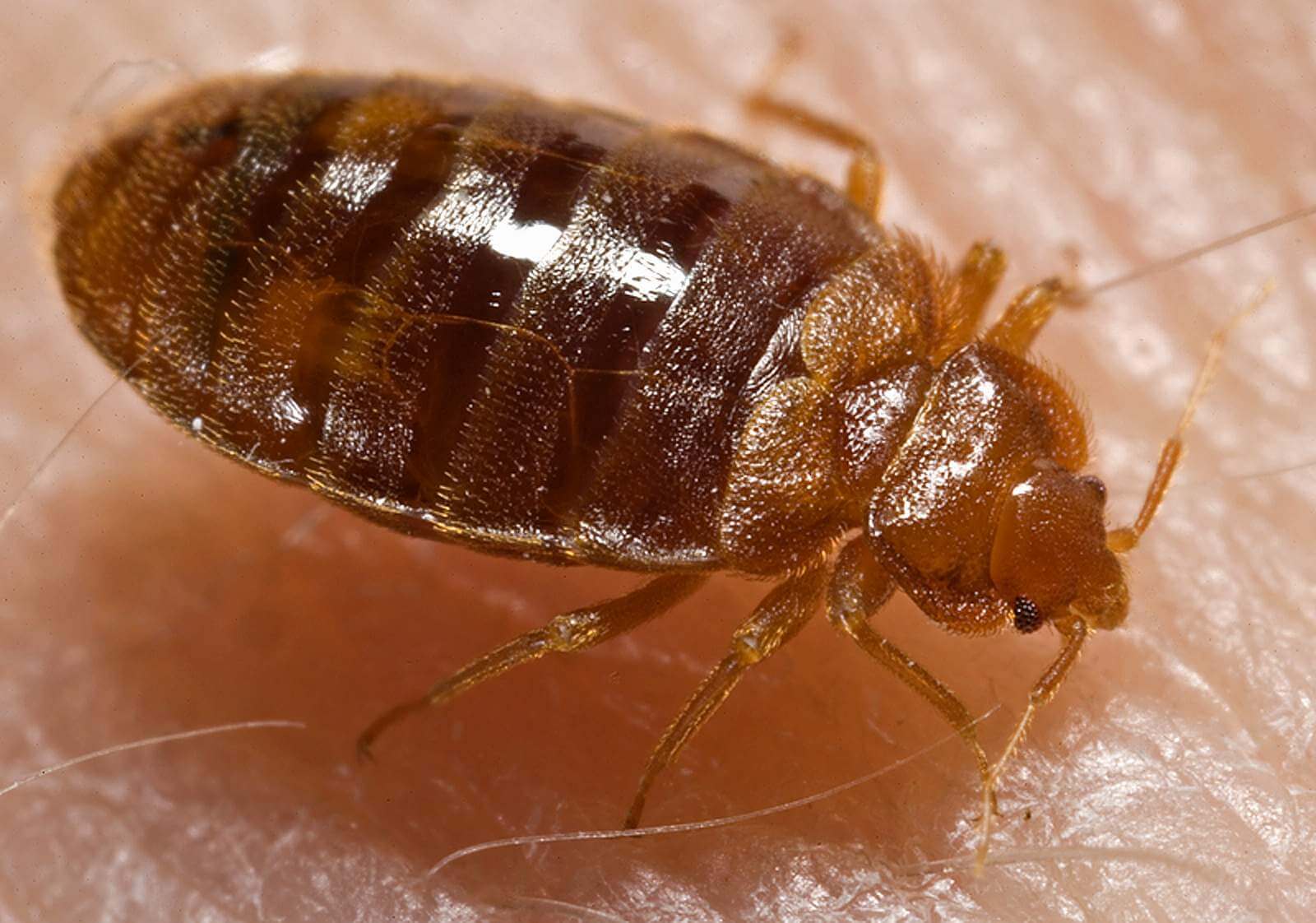
TL;DR: How To Treat And Control Bedbugs
Step 1 — Wash and dry bedding and clothing
- Wash sheets, pillowcases, blankets, and nearby clothing.
- Dry everything on HIGH HEAT setting thoroughly before putting it back on the bed.
Step 2 — Clean the room very thoroughly
- Vacuum floors, mattresses, bed frames, and furniture.
- If you use a vacuum with a bag, throw the bag away immediately so bedbugs are not left inside the house.
Step 3 — Spray the mattress, frame, and nearby furniture with Gentrol Aerosol Insect Growth Regulator
- furniture within about 6 feet of the bed
- nightstands and nearby furniture
- behind pictures on the wall near the bed
A thorough spray treatment is important so the product reaches the areas where bedbugs hide.
Bedbugs are one of those problems that feel overwhelming at first. The good news is that with a thorough cleaning and the right treatment, most homeowners can get the situation under control.
The key is to do three things in the right order:
- Wash and dry bedding and clothing
- Clean the room thoroughly
- Treat the bed and nearby furniture with an insect growth regulator
Bedbugs hide very close to where people sleep, so focusing on the bed, surrounding furniture, and nearby wall areas is what makes the treatment effective.
Why Bedbugs Are Usually Found Near the Bed
Bedbugs prefer to stay close to where people sleep. That’s why most infestations are concentrated around:
- mattresses
- bed frames
- headboards
- nightstands
- nearby furniture
- pictures or items hanging on the wall near the bed
Because of this behavior, treating the sleeping area and the furniture closest to it is usually the most effective place to start.
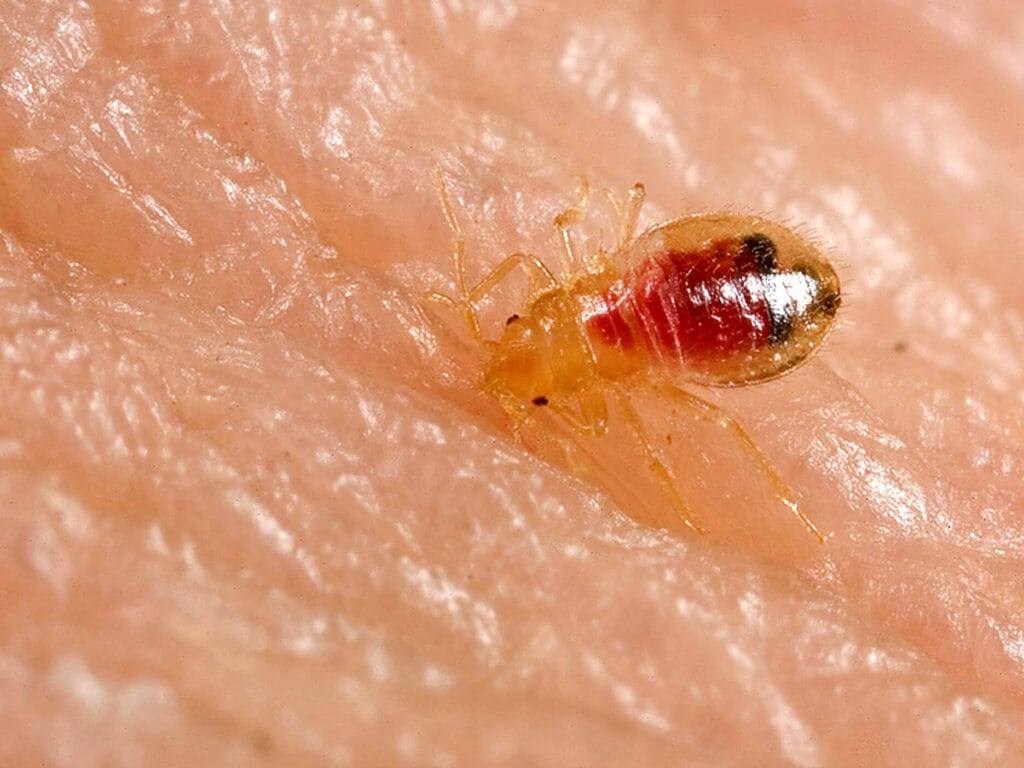
Step 1 — Wash Bedding and Clothing
Start by laundering all bedding and any clothing stored near the bed.
Wash items such as:
- sheets
- pillowcases
- blankets
- comforters
- nearby clothing
Once washed, dry everything thoroughly before putting it back on the bed.
This removes bedbugs and eggs that may be hiding in fabrics.
Step 2 — Clean the Room Thoroughly
After laundry is finished, give the room a very thorough cleaning.
Focus on:
- floors around the bed
- mattresses
- bed frames
- baseboards
- nearby furniture
Vacuuming helps remove bedbugs hiding in seams, cracks, and small spaces.
If your vacuum cleaner uses a bag, make sure to remove and throw the bag away immediately after cleaning. You do not want bedbugs remaining inside the vacuum and staying in the house.
Step 3 — Treat the Bed and Nearby Furniture
Once the room has been cleaned, apply Gentrol Aerosol Insect Growth Regulator.
Treat the areas where bedbugs are most likely hiding:
- mattress seams and edges
- the bed frame
- furniture within about 6 feet of the bed
- nightstands
- cracks or seams in nearby furniture
Also check behind pictures or wall décor near the bed and treat those areas thoroughly.
Bedbugs often hide in very small protected spaces, so a thorough spray treatment is important.
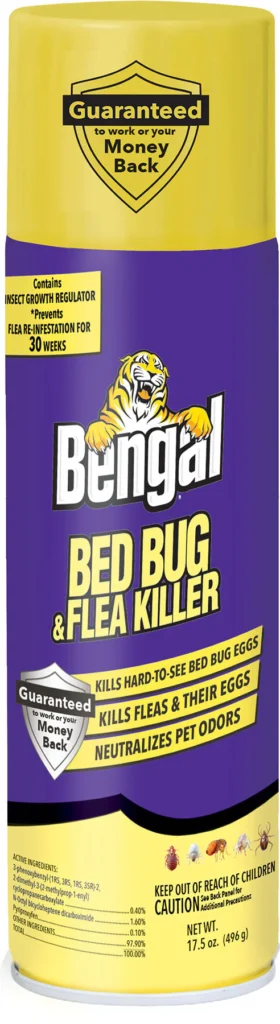
Bengal Bed Bug and Flea Killer Aerosol Spray with Insect Growth Regulator, 17.5 Oz. Aerosol Can
The 17.5oz bed bug killer eliminates bed bugs, their hard-to-see eggs, fleas, ticks, and other small insects, even those hidden from view. Featuring an insect growth regulator, it prevents fleas from maturing into egg-laying adults, offering up to 210 days of continuous protection against re-infestation.
- Stain-free on water safe surfaces
- Long-lasting residual control
- Contains Insect growth regulator
- Fast Acting!
- Leaves behind a fresh, clean scent

Available on Amazon!
Bengal Bedbug killer Label – Bengal Bedbug killer MSDS
How the Treatment Works
This treatment works in two ways.
The insecticide kills adult bedbugs that come into contact with treated surfaces.
The insect growth regulator (IGR) prevents immature bedbugs from developing properly, which helps stop the infestation from continuing.
Using both effects together helps break the bedbug life cycle.
After the Treatment
Allow the spray to dry completely.
Once dry, you can:
- put clean sheets back on the bed
- return bedding to normal
At that point you can relax knowing the treatment is working and bedbugs will no longer be feeding on you.
Monitor for Bed Bugs (After Treatment) Use Sticky Traps!
Monitoring is one of the most important steps after any bed bug treatment. It gives you peace of mind, helps you confirm the treatment worked, and lets you catch any survivors before they spread.
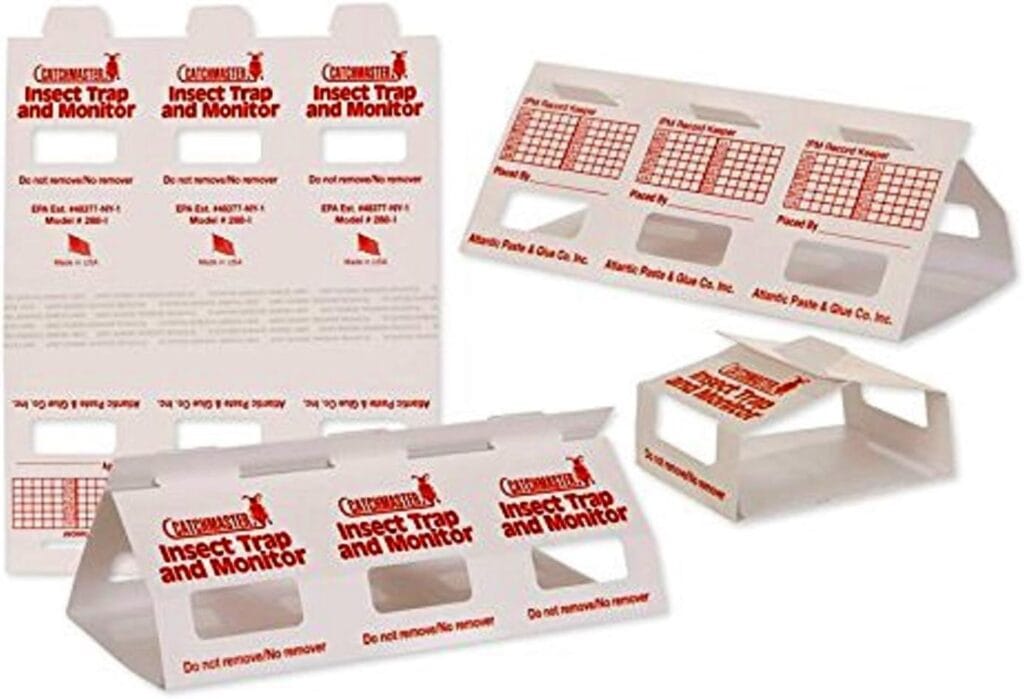
Glue Traps – 12 Glue Boards
Catchmaster 288i Insect Trap & Monitors are non‑toxic, chemical‑free glue traps that fold into clean tunnel monitors and come perforated so each board becomes three sticky traps.
- 3‑in‑1 Design: Each board is perforated into three traps.
- Non‑Toxic: Chemical‑free monitoring for roaches, spiders, and silverfish.
- Super Sticky: Very effective on insects & spiders.
- Clean Handling: Pick up easily — glue and insects stay inside the tunnel.
- Easy to Use: Fold and place along walls, under appliances, or in closets.
- Great Value: 5 boards = 15 monitors for wide coverage.
Available on Amazon!
Where to Place Sticky Traps
Sticky traps don’t eliminate bed bugs, but they’re excellent for early detection and post‑treatment monitoring. Place them in the spots bed bugs naturally travel:
- Along the wall at the head of your bed — this is the #1 travel path.
- Under the legs of your bed frame (if your bed has legs).
- Behind or beside your headboard — bed bugs often stay localized to the bed before the population grows.
- Under nightstands and along the wall next to them.
- Under or behind furniture near the bed.
- Inside the folds or corners of your bed frame if it has hollow sections.
Why Monitoring Matters
- Bed bugs often stay very localized to the bed in the early stages.
- Sticky traps help you confirm whether activity is gone or still present.
- They’re a simple, low‑cost way to track progress after treatment.
- They give homeowners reassurance during the weeks after a treatment when anxiety is highest.
How Long to Monitor
Keep traps in place for at least 4–6 weeks after treatment. If you catch nothing during that time, you’re usually in the clear.
Bedbug Control Summary
To eliminate bedbugs:
- Wash and dry bedding and nearby clothing.
- Clean the room thoroughly and discard vacuum bags.
- Treat the mattress, bed frame, and furniture within six feet of the bed with Gentrol Aerosol Insect Growth Regulator.
- Check behind pictures and thoroughly treat nightstands and nearby furniture.
A careful cleaning followed by a thorough spray treatment is the most reliable way to get control of bedbugs and prevent them from continuing to feed.
Bedbug FAQs: What Homeowners Should Know
Bedbugs raise a lot of questions, especially the first time someone encounters them. The sections below answer the most common questions homeowners ask about where bedbugs come from, how treatments work, and what to expect during the process.
Where Do Bedbugs Come From?
How do people usually get bedbugs?
Bedbugs are hitchhikers. They move from place to place by riding along on clothing, bags, furniture, or other personal items.
Common ways people pick them up include:
- rideshare vehicles
- movie theaters
- airplanes and trains
- thrift stores or second-hand furniture
- hotels or short-term rentals
- visiting friends or relatives who unknowingly have them
Another common situation is workplaces or schools. Bedbugs can travel on backpacks, purses, jackets, or lunch bags.
As a pest control professional, one of the most common situations I’ve seen is children bringing them home from school or a friend’s house. A single hitchhiking bug in a backpack or jacket is all it takes to start a problem.
Can a clean house still get bedbugs?
Yes. Bedbugs do not care if a home is clean or dirty.
They are only interested in finding a person to feed on and a place nearby to hide.
While homes with excessive clutter may experience larger infestations because there are more hiding places, very clean homes can absolutely get bedbugs.
Many of the cleanest homes I’ve seen as a pest control technician have had bedbug problems. Getting bedbugs does not mean your house is dirty.
Detecting & Monitoring
How can I tell if bedbugs have spread to another room in my house?
One of the most practical tricks is the lint trap method. Take the dirty clothes from the room you’re unsure about and run them through the dryer on high heat for at least 30 minutes. Then check the lint trap.
Bedbugs are strongly attracted to worn clothing because of the body heat, carbon dioxide, and body odor absorbed into the fabric — the same cues they use to find a sleeping person. If bedbugs or eggs were hiding in those clothes, the heat will kill them and you’ll see them in the lint trap.
It’s a simple, reliable way to confirm whether a room is infested before committing to a full treatment.
Why are bedbugs attracted to dirty clothes?
Bedbugs locate their hosts using body heat, carbon dioxide, and human scent.
Worn clothing absorbs all three — it carries your body odor, residual warmth, and the biological cues bedbugs use to find a sleeping person.
That’s why dirty laundry left on the floor near or around the bed can become a harborage spot, and why clothes can pick up bedbugs in infested environments like hotel rooms, airplanes, subways, movie theaters, or schools.
A single bedbug hitchhiking home in a jacket or a bag from a hotel is all it takes to start an infestation.
Should I use bedbug monitoring traps?
Yes — monitoring traps are an excellent tool both for catching a problem early and for tracking an existing situation.
Interceptor-style cup traps that fit under bed legs and sticky glue traps both work well. If you’re on high alert — just moved into a new place, recently traveled, or think you may have been exposed — check them daily. For general peace of mind monitoring, checking weekly or monthly is sufficient.
Keep in mind that bedbugs don’t typically start moving under the bed until the population is well established. Early on they’ll feed on you and retreat directly to the headboard or nearby hiding spots, so don’t rely on under-bed traps alone as your only check.
When do bedbugs start spreading away from the bed?
In the early stages of an infestation bedbugs stay very close to where they feed — typically in the mattress seams, headboard, bed frame, and nightstand. It’s not until the population grows more established that they start moving further away from the sleeping area.
At that point they may begin spreading to nearby furniture, baseboards, and eventually other rooms.
This is why catching them early is so important — a small contained infestation is much easier to treat than one that has spread throughout the home.
How fast can bedbugs spread through a home?
Not overnight, but faster than most people expect once conditions are right.
The biggest risk factors are shared sleeping spaces, adjacent rooms with cracks in shared walls, and infected bedding or blankets being moved to other areas of the home. If someone takes an infested blanket from their bedroom to the living room couch, they can seed a new population there.
Bedbugs can also travel through walls, which is a particular concern in apartments and multi-unit buildings where they can detect the presence of a new host nearby and move toward them through small cracks.
Can bedbugs travel through walls from a neighbor’s apartment?
Yes, and they’re very good at it. Bedbugs can sense the presence of a human host — body heat, carbon dioxide, and scent — and will actively move toward that source even through walls.
If a neighbor moves out of an infested unit, the bedbugs left behind will begin seeking a new host and can work their way through even small cracks in shared walls. Many apartment buildings use firewall construction with fire-resistant drywall, but bedbugs are capable of getting through small gaps regardless.
If you move into a new apartment, using sticky monitoring traps from day one is a smart precaution even if you see no signs of activity.
What are the earliest signs of a bedbug infestation?
Before you ever see a bedbug, look for two things.
First, small marks or bite marks on your skin — often in a line or cluster, typically on exposed areas like arms, neck, and shoulders.
Second, tiny spots of blood on your sheets where a bedbug was crushed or fed.
These are usually the first signs people notice. By the time you’re seeing live bugs, the infestation is already established. The lint trap trick and monitoring traps are both good ways to confirm suspicions early before the problem gets bigger.
Questions About Bedbug Treatment
Why does the treatment focus on the bed and nearby furniture?
Bedbugs prefer to hide very close to where people sleep.
That’s why they are most often found in:
- mattresses
- bed frames
- headboards
- nightstands
- furniture near the bed
- wall décor or pictures near the bed
Treating the bed area and furniture within about six feet of the bed targets the areas where bedbugs spend most of their time.
Why is cleaning and vacuuming important before spraying?
Cleaning removes a large number of bedbugs and helps the spray reach the places where they hide.
Vacuuming also pulls bedbugs out of seams, cracks, and small hiding spots around the bed and furniture.
If you use a vacuum with a bag, remove the bag and throw it away immediately so the bedbugs are not left inside the house.
Why should I check behind pictures near the bed?
Bedbugs look for tight, protected hiding places close to where people sleep.
The space behind pictures, mirrors, and wall décor near the bed is a common hiding spot. That’s why it’s important to check and treat these areas during the treatment process.
Does running clothes through the dryer kill bedbugs?
Yes. High heat is one of the most effective ways to kill bedbugs and their eggs.
Run clothes on high heat for at least 30 minutes at 120 to 125 degrees to reliably kill both.
If your dryer doesn’t reach high heat, a lower temperature of around 113 to 115 degrees will still work but requires at least 90 minutes to kill the eggs.
The eggs are harder to kill than the adults, so time and temperature both matter. This is why washing and drying bedding on high heat is one of the first steps in any bedbug treatment.
Safety Questions During Treatment
Should I avoid breathing the aerosol spray?
Yes. When using any aerosol insecticide, you should avoid breathing the vapors while spraying.
A good practice is to:
- open a window while applying the product
- spray in short bursts instead of long sprays
- leave the room briefly while the spray settles
Good airflow helps the treatment area clear quickly.
Should I wear gloves while treating the room?
Wearing gloves is a good idea, especially while moving furniture or handling treated surfaces.
Gloves help prevent skin contact with the spray and also make cleanup easier if you’re moving bed frames or furniture during the treatment.
Is there a chemical smell after spraying?
There may be a mild chemical smell immediately after spraying.
This is normal and temporary. The odor fades as the spray dries.
Opening a window during and after treatment can help air out the room more quickly.
Once the spray has dried, the smell should be gone.
After the Bedbug Treatment
When can I put clean sheets back on the bed?
Once the spray has completely dried, you can safely:
- put clean sheets back on the bed
- remake the bed
- return the room to normal use
Allowing the spray to dry ensures the treatment has settled properly.
Will the treatment stop bedbugs from coming back?
The treatment works in two ways:
- the insecticide kills adult bedbugs
- the insect growth regulator prevents younger bedbugs from developing
Together, these effects help break the bedbug life cycle and stop the infestation from continuing.
The Most Important Thing to Remember About Bedbugs
Bedbugs are extremely common and can happen to anyone.
They spread by hitchhiking on personal belongings, not because a home is dirty.
Even very clean homes can experience bedbug problems. The key is simply to identify the issue early and treat the sleeping area thoroughly so the bugs can no longer hide and feed.