
This page contains affiliate links. I may earn a commission at no extra cost to you.
TL;DR: How To Treat And Control Large Roaches
Large roaches usually come from outside, but you can eliminate them fast with a simple 3‑step treatment.
- Step 1: Do an indoor crack‑and‑crevice treatment in kitchens, bathrooms, and the garage to hit the hidden areas large roaches travel through.
- Step 2: Place bait in cabinets, storage rooms, and any tight spaces where spraying isn’t appropriate.
- Step 3: Treat the exterior perimeter — 1 foot up and 3 feet out — and around doors and windows to stop new roaches from entering.
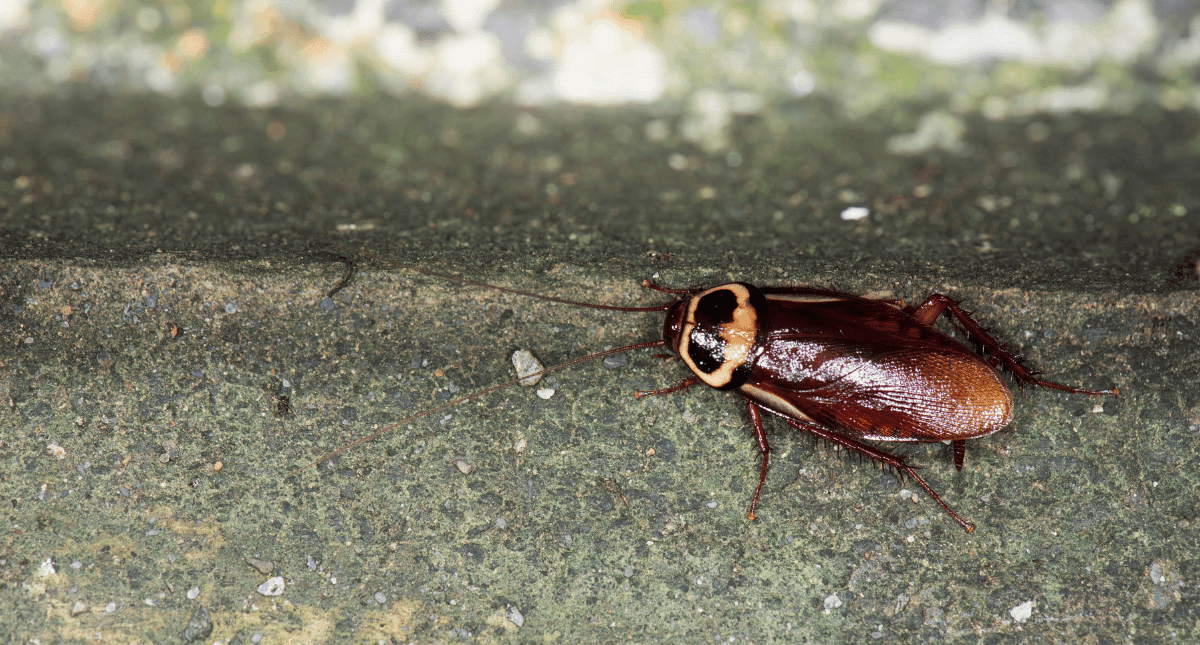
“Large roaches” is a general nickname homeowners use for any big, dark, fast‑moving roach that shows up in kitchens, bathrooms, garages, or outside near vegetation.
Depending on where you live, your “large roaches” might actually be American roaches, Smokybrown roaches, Oriental roaches, Australian roaches, or Florida Woods roaches.
The good news is that the treatment is almost always the same, and you can get rid of them with a simple, no‑nonsense protocol.
Quick ID Guide for Large Roaches
Large roaches share a few universal traits:
- Big (1–2 inches long)
- Dark brown, reddish brown, or black
- Fast runners
- Often found in bathrooms, kitchens, garages, and outdoor areas
- Attracted to moisture, drains, and decaying organic matter
- Often enter from outside
Below are the most common species homeowners call “large roaches.”
American Roaches
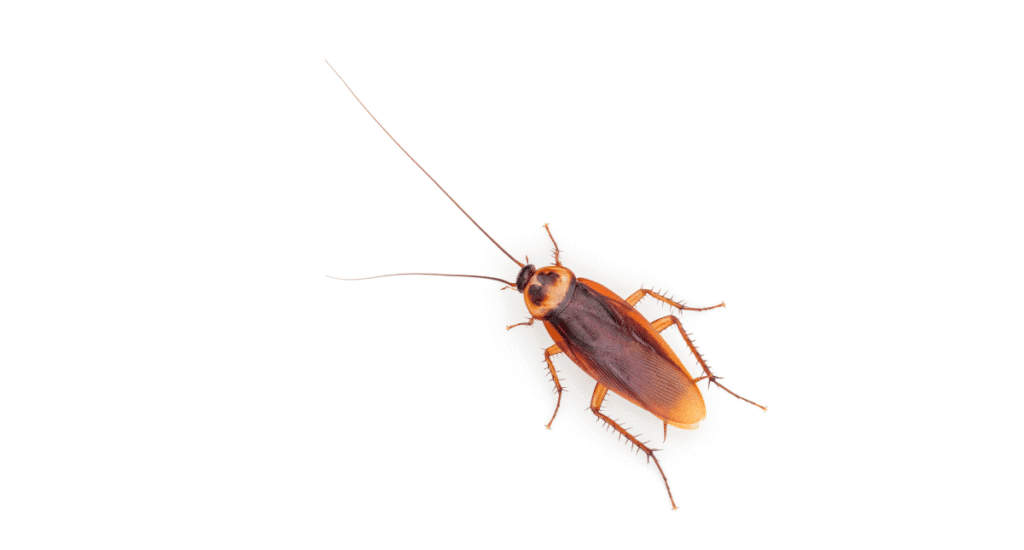
- Reddish brown
- Fast, strong fliers in warm climates
- Often found in bathrooms, kitchens, and drains
- Common in sewers and moist outdoor areas
Smokybrown Roaches
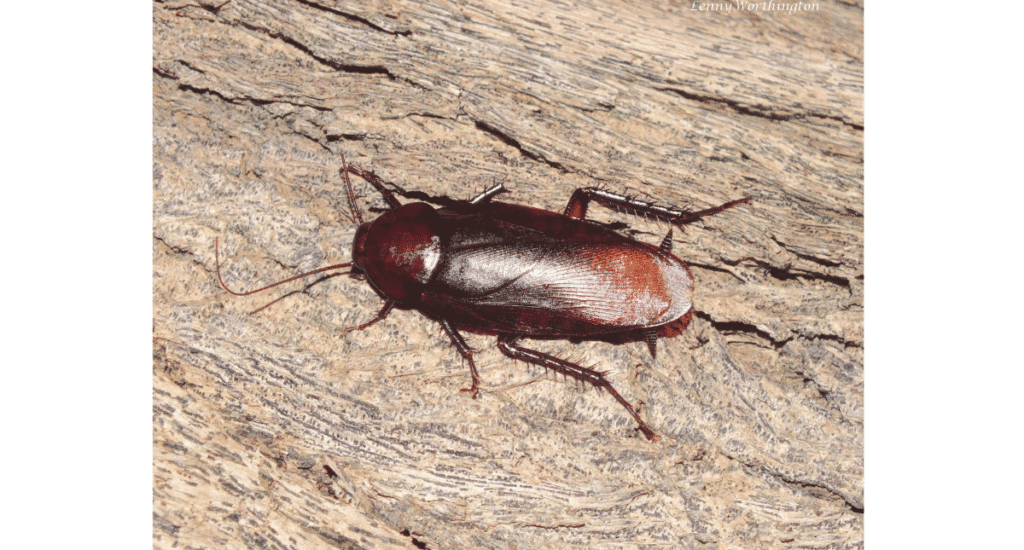
- Uniform dark brown or mahogany
- Shiny, smooth appearance
- Very moisture‑dependent
- Often found in gutters, soffits, and outdoor vegetation
Oriental Roaches
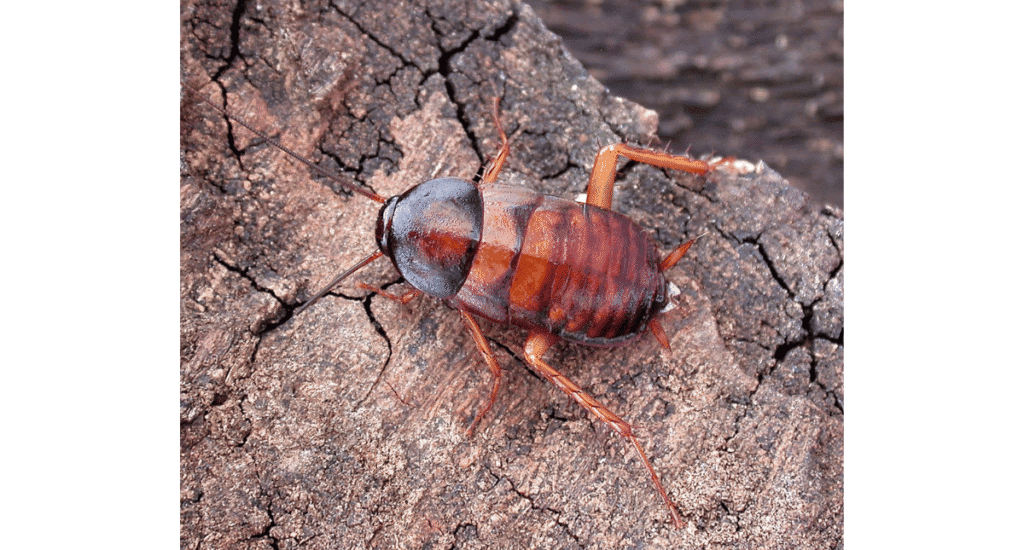
- Black or very dark brown
- Slow‑moving
- Strong moisture preference
- Often found in crawl spaces, under sinks, and around drains
Australian Roaches
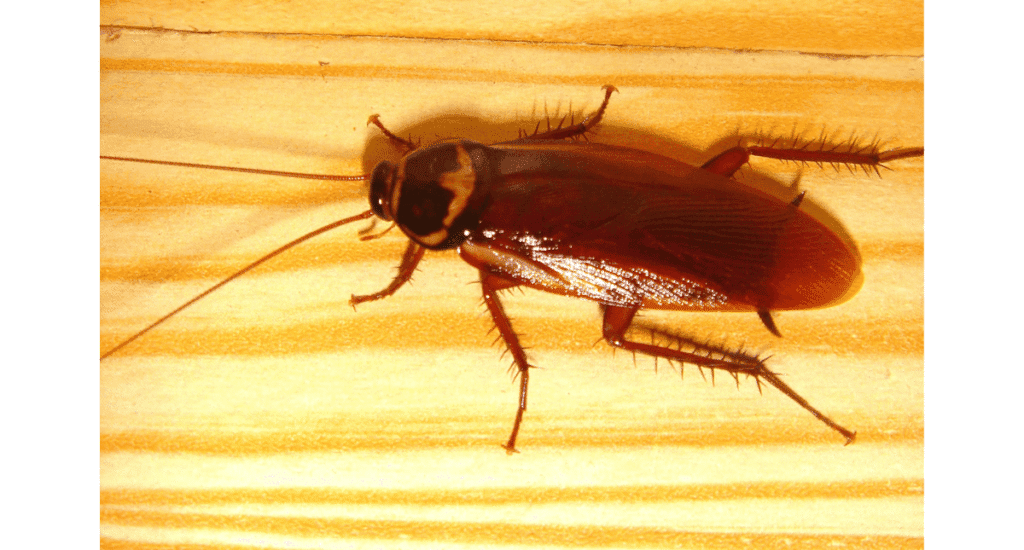
- Look similar to American roaches
- Yellow stripes along the edges of the wings
- Often found outdoors near plants and mulch
- Attracted to lights at night
Florida Woods Roaches
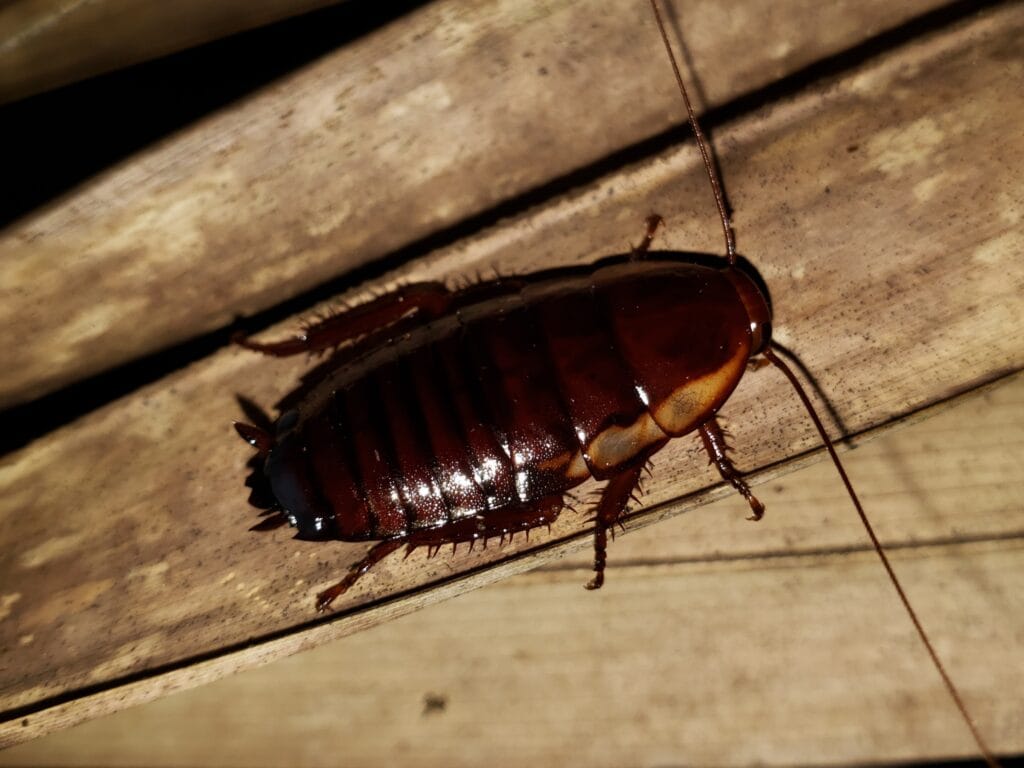
- Very large, slow, and harmless
- Do not infest homes
- Often found outside near vegetation and mulch
- Sometimes wander indoors by accident
No‑Nonsense Treatment Protocol for Large Roaches
These are the three steps homeowners use to quickly reduce large roach activity indoors and outdoors. Keep it simple and follow the steps in order.
Step 1 — Do an Indoor Crack‑and‑Crevice Treatment
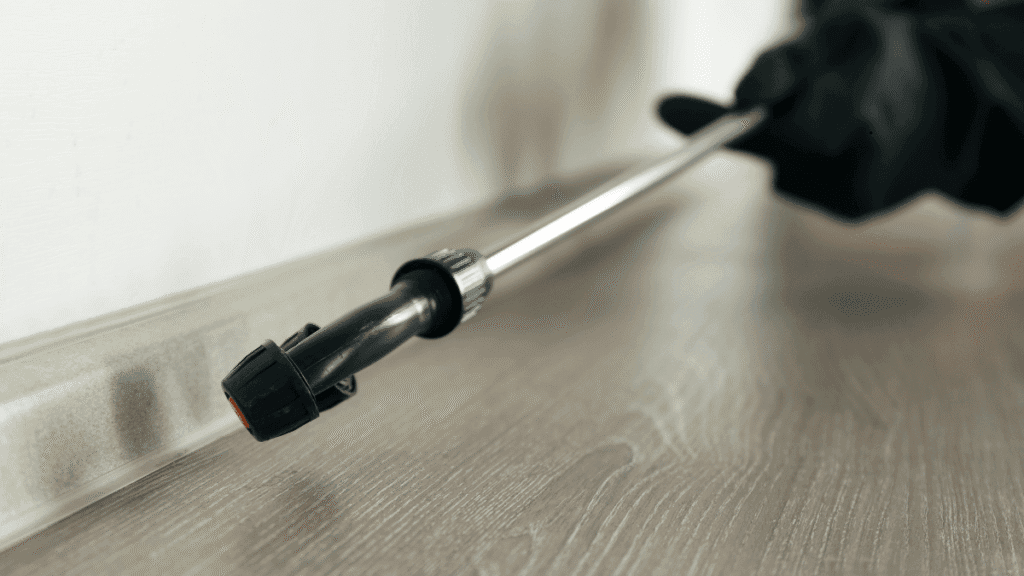
Large roaches spend most of their time in tight gaps, wall voids, and dark corners. A crack‑and‑crevice treatment is the best way to reach the hidden areas they travel through.
Treat with: Fipronil‑Plus‑C at 0.8 ounces per gallon of water, mixed with Gentrol Insect Growth Regulator (IGR) at 1 ounce per gallon.
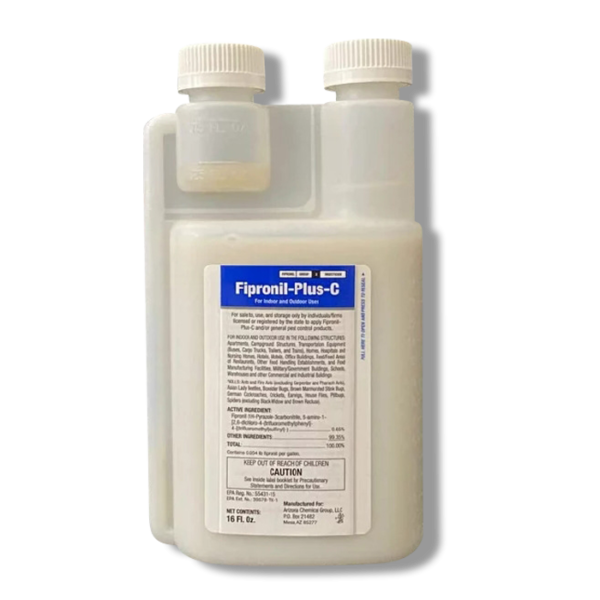
Fipronil‑Plus‑C Pest Control Concentrate (16 oz)
Fipronil‑Plus‑C is a commercial‑strength 0.65% fipronil concentrate that homeowners use for roaches, ants, and perimeter pests. One 16‑oz bottle makes up to 21 gallons of solution for long‑lasting indoor crack‑and‑crevice and outdoor structural treatments.
- Use: 1.0 fl oz per gallon of water This is the standard labeled dilution for structural crack‑and‑crevice applications.
- Commercial‑Strength Formula — 0.65% fipronil delivers professional‑grade control of roaches, ants, and other structural pests.
- Makes 21 Gallons — One 16‑oz bottle stretches far for large infestations or multi‑room treatments.
- Long‑Lasting Residual — Cellulose entrapment technology slows UV breakdown for extended control.
- Indoor + Outdoor Use — Ideal for kitchens, bathrooms, garages, baseboards, and exterior foundation cracks.
- Easy Mixing — Precision‑designed bottle reduces drift and makes dilution simple for DIY homeowners.
- Broad‑Spectrum Control — Effective against roaches, ants, and other common household invaders.

Available on Amazon!
Competitive pricing + Fast Free shipping on all orders!
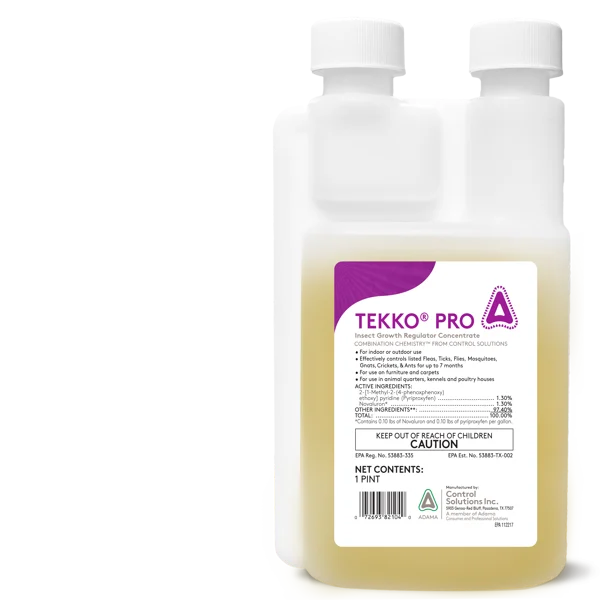
TEKKO PRO Insect Growth Regulator Concentrate
Tekko PRO IGR is the ultimate solution for long-lasting pest managtement. It disrupts pests life cycles and provides protection from re-infestation.
- Extended Re-Infestation Prevention: TEKKO PRO Inhibits re-infestation by listed cockroaches for up to 6 months and fleas for up to 7 months
- Effective Lifecycle Disruption: TEKKO PRO Reduces egg production in houseflies and prevents larvae from developing into adults, breaking the pest reproduction cycle.
- Tekko Pro works by disrupting insect development — things like molting, shedding, and growth hormones. Humans and pets don’t have those systems, so the product can’t affect us in the same way.
- Ideal for perimeter defense
- Eliminates the need for re-treatments

Available on Amazon!
Focus on:
- baseboards
- behind appliances
- under sinks
- around plumbing lines
- corners of bathrooms, kitchens, and garages
This targets the areas where large roaches move at night.
Step 2 — Apply Bait in Areas You Can’t Spray
Use bait in:
- kitchen cabinets
- pantry corners
- storage rooms
- closets
- tight gaps or cluttered areas
Bait reaches roaches that stay hidden or avoid treated surfaces. It also helps eliminate roaches in areas where spraying isn’t appropriate.
Step 3 — Treat the Exterior Perimeter
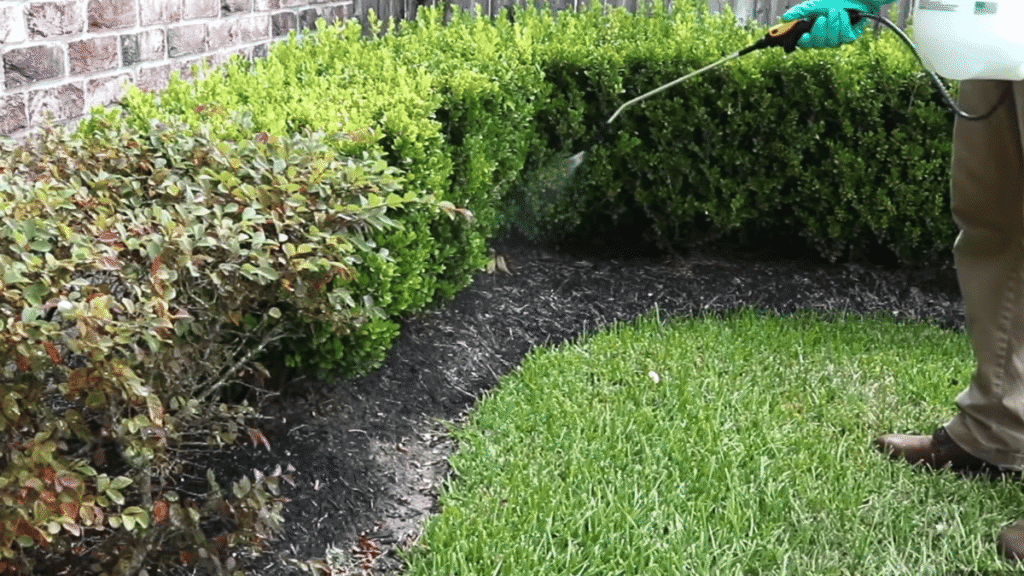
Large roaches usually come from outside, so treating the exterior helps stop new ones from entering.
Focus on:
- 1 foot up the exterior walls
- 3 feet out from the foundation
- around doors and window frames
- around garage doors
- near cracks, gaps, and utility penetrations
This creates a protective barrier that reduces outdoor activity and prevents roaches from wandering indoors.
Why This Works
Large roaches follow moisture, food, and shelter. By reducing moisture, sealing entry points, and using bait correctly, you eliminate the conditions they rely on and collapse the population at the source.
How to Prevent Large Roaches From Coming Back
Large roaches almost always come from outside, and they’re attracted to moisture, food, and shelter. Once you’ve treated the inside, prevention is what keeps them from returning. These steps are simple, practical, and make a huge difference long‑term.
1. Reduce Moisture Around the Home
Large roaches thrive in damp environments. Dry homes get fewer roaches — it’s that simple.
- Fix leaking pipes, faucets, and outdoor spigots
- Clear gutters so water drains properly
- Improve ventilation in bathrooms and laundry rooms
- Keep the area under sinks dry and clutter‑free
- Check for condensation around AC units and ductwork
Moisture is one of the biggest attractants. Reducing it cuts activity dramatically.
2. Seal Entry Points
Large roaches squeeze through tiny gaps. Closing these off helps stop new ones from wandering inside.
- Seal cracks in stucco or siding
- Caulk gaps around windows and door frames
- Install door sweeps on exterior doors
- Seal openings around plumbing lines and utility penetrations
- Patch gaps around rooflines, soffits, and attic vents
- Close gaps under and around garage doors
You don’t have to make the home airtight — just remove the easy entry points.
3. Reduce Outdoor Attractants
Large roaches live in mulch, vegetation, and damp debris. Cleaning up the outside reduces the population around the home.
- Keep mulch shallow (2 inches or less)
- Pull mulch back a few inches from the foundation
- Trim bushes and plants away from the house
- Remove leaf piles and yard debris
- Keep firewood off the ground and away from walls
- Clean gutters and downspouts
- Avoid overwatering plants near the home
A cleaner, drier yard means fewer roaches near the structure.
4. Manage Outdoor Lighting
Large roaches are attracted to lights at night.
- Turn off unnecessary outdoor lights
- Use motion‑activated lighting when possible
- Switch to yellow “bug‑resistant” bulbs
- Keep porch lights off unless needed
Less light = fewer roaches gathering near doors and windows.
5. Keep the Kitchen and Bathrooms Clean
These are the two rooms roaches target first.
- Sweep or vacuum crumbs
- Store food in sealed containers
- Clean under appliances regularly
- Take out trash nightly
- Keep pet bowls clean and dry
- Don’t leave dirty dishes in the sink overnight
Small habits make a big difference.
6. Keep Drains and Plumbing Areas Clean
Large roaches often travel through plumbing lines and drains.
- Use drain strainers
- Clean sink and shower drains regularly
- Keep garbage disposals clean
- Fix slow drains
- Don’t leave standing water in sinks or tubs
Dry drains = fewer roaches.
7. Reduce Indoor Clutter
Roaches love hiding in cluttered areas.
- Organize storage rooms
- Keep cardboard boxes off the floor
- Use plastic bins instead of cardboard
- Declutter closets and laundry rooms
- Keep garage storage neat and elevated
The fewer hiding spots they have, the easier it is to keep them out.
8. Maintain a Consistent Perimeter Treatment Schedule
A clean, dry, sealed home still benefits from a regular exterior barrier.
- foundation perimeter treatment
- Spray around doors and windows
- Treat near cracks and utility lines
- Maintain a consistent schedule year‑round
This keeps the outside population low and prevents new activity indoors.
FAQ’s: Large Roaches
General Questions About Large Roaches
Why do I have large roaches in my house?
Large roaches usually come from outside, entering through gaps around doors, windows, plumbing lines, or rooflines. They’re attracted to moisture, food debris, and warm, humid areas like bathrooms and kitchens.
Do large roaches infest homes like German roaches?
No. Large roaches don’t reproduce indoors the same way German roaches do. They typically wander in from outside, which is why exterior prevention is so important.
Are large roaches dangerous?
They don’t bite, but they can spread bacteria by walking across surfaces. Keeping them out and maintaining a clean environment reduces the risk.
How long does it take to get rid of large roaches?
Most homeowners see major improvement within 3–7 days when treatment is done correctly. Outdoor prevention helps stop new roaches from entering.
Do large roaches fly?
Some species can glide or fly short distances, especially in warm weather. American roaches and Australian roaches are the most likely to fly.
Treatment Questions
What’s the fastest way to get rid of large roaches?
A combination of indoor crack‑and‑crevice treatment, baiting in areas you can’t spray, and a consistent exterior perimeter treatment works best. This targets roaches inside while preventing new ones from entering.
Should I spray or bait for large roaches?
Both. Spray for crack‑and‑crevice areas where roaches travel, and use bait in cabinets, storage areas, and tight spaces where spraying isn’t appropriate.
Why do I still see roaches after treating?
It’s normal to see activity for a few days as roaches come out of hiding and encounter treated surfaces or bait. Activity usually drops quickly once the treatment starts working.
Do I need to treat the outside too?
Yes. Large roaches almost always come from outside. Treating 1 foot up and 3 feet out from the foundation, plus around doors and windows, helps stop new roaches from entering.
Prevention Questions
How do I keep large roaches from coming back?
Reduce moisture, seal entry points, keep vegetation trimmed, maintain outdoor bait stations, and keep the kitchen and bathrooms clean. Prevention is what keeps the population low long‑term.
Why are large roaches attracted to my home?
Moisture, food debris, outdoor lighting, mulch, and vegetation touching the house all attract large roaches. Fixing these issues reduces activity dramatically.
Do outdoor bait stations help?
Yes. They reduce the population around the home and help prevent new roaches from wandering inside. Keep them in shaded, protected areas and replace bait regularly.
American Roaches (Palmetto Bugs)
How do I know if I have American roaches?
American roaches are large, reddish brown, and often found in bathrooms, kitchens, and drains. They’re fast and may glide or fly in warm weather.
Where do American roaches come from?
They often come from sewers, drains, crawl spaces, and outdoor moisture areas. They enter through gaps around plumbing and exterior doors.
Smokybrown Roaches
What makes Smokybrown roaches different?
Smokybrown roaches are uniform dark brown, shiny, and extremely moisture‑dependent. They’re often found in gutters, soffits, and outdoor vegetation.
Why do Smokybrown roaches keep showing up after rain?
Rain pushes them out of their hiding spots, causing them to wander into homes. Exterior perimeter treatment and sealing gaps help prevent this.
Oriental Roaches
How do I identify Oriental roaches?
Oriental roaches are black or very dark brown, slow‑moving, and strongly attracted to damp, cool areas like crawl spaces and under sinks.
Why do Oriental roaches smell bad?
They can produce a musty odor when populations are high or when they’re crushed. Moisture control helps reduce their activity.
Australian Roaches
What do Australian roaches look like?
They resemble American roaches but have distinct yellow markings along the edges of their wings. They’re often found near outdoor plants and lights.
Why are Australian roaches attracted to lights?
Australian Roaches are drawn to bright outdoor lighting at night, which brings them closer to doors and windows. Switching to yellow bulbs helps reduce activity.
Florida Woods Roaches (Palmetto Bugs)
Are Florida Woods roaches harmful?
No. They’re large but slow and harmless, and they do not infest homes. They usually wander indoors by accident.
Why do Florida Woods roaches show up near my house?
Florida Woods Roaches live in mulch, vegetation, and damp outdoor areas. Keeping mulch shallow and trimming plants helps reduce sightings.