
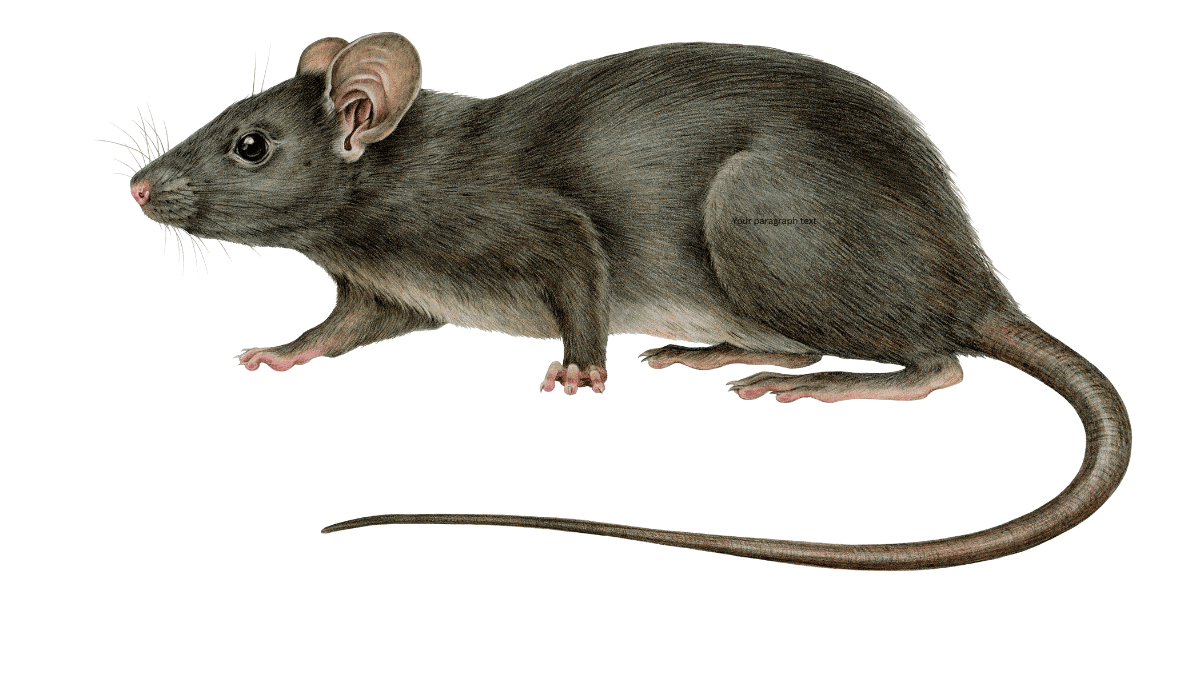
TL;DR: How To Treat And Control Norway Rats
Step 1 — Seal every entry point (Exclusion).
Close all holes ½ inch or larger using copper rodent mesh (never steel wool).
Step 2 — Trap any rats still inside.
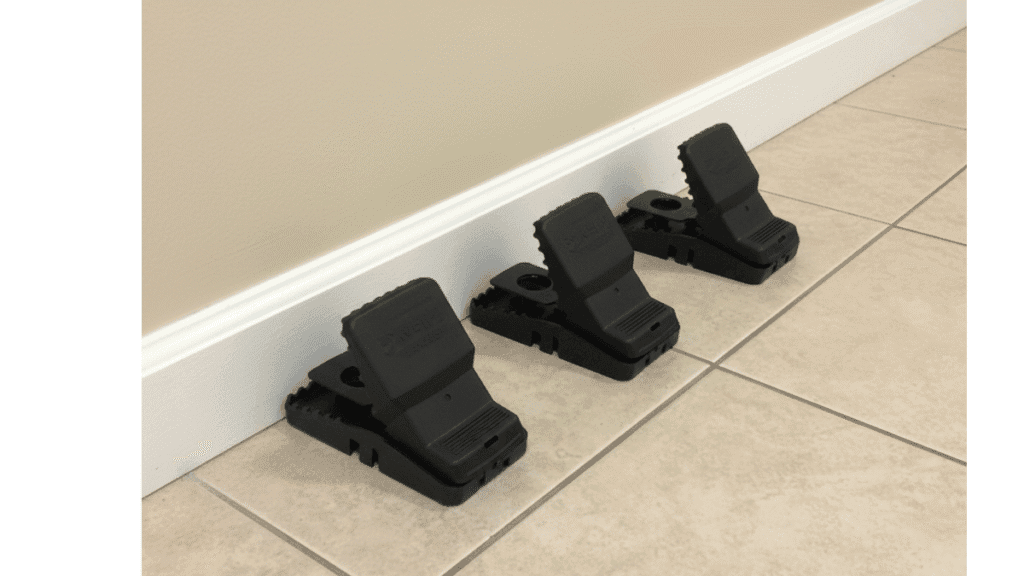
Use snap traps or live traps placed along walls, with the trigger end closest to the wall.
Best baits: Original Slim Jims or peanut butter.
Step 3 — Install outdoor bait stations.
Place stations along exterior walls, protected from standing water and rain.
Seal first. Trap second. Control outside pressure last.
That’s how you solve a Norway rat problem for good.
Understanding Norway Rats (Why They’re Different)
Norway rats are ground-level rats. Unlike roof rats, they prefer entering at low points around the home.
They commonly get inside through:
- Foundation cracks
- Plumbing penetrations
- Electrical penetrations
- A/C line entry points
- Gaps under garage doors
- Warped trim and siding gaps
Once inside, they’re destructive and persistent. You cannot simply “bait them away.” If the structure isn’t sealed, new rats will keep replacing the ones you remove.
Step 1 — Seal Every Entry Point (Exclusion Comes First)
Norway rats can squeeze through openings ½ inch wide or larger. That’s roughly the size of a nickel.
Walk the entire exterior of the home and seal every gap of that size.
Use the Right Materials
- Copper rodent mesh for filling holes
- Rodent-resistant expanding foam for larger voids
- Cement or mortar for foundation gaps and burrows
Never use steel wool. It rusts quickly and is flammable.
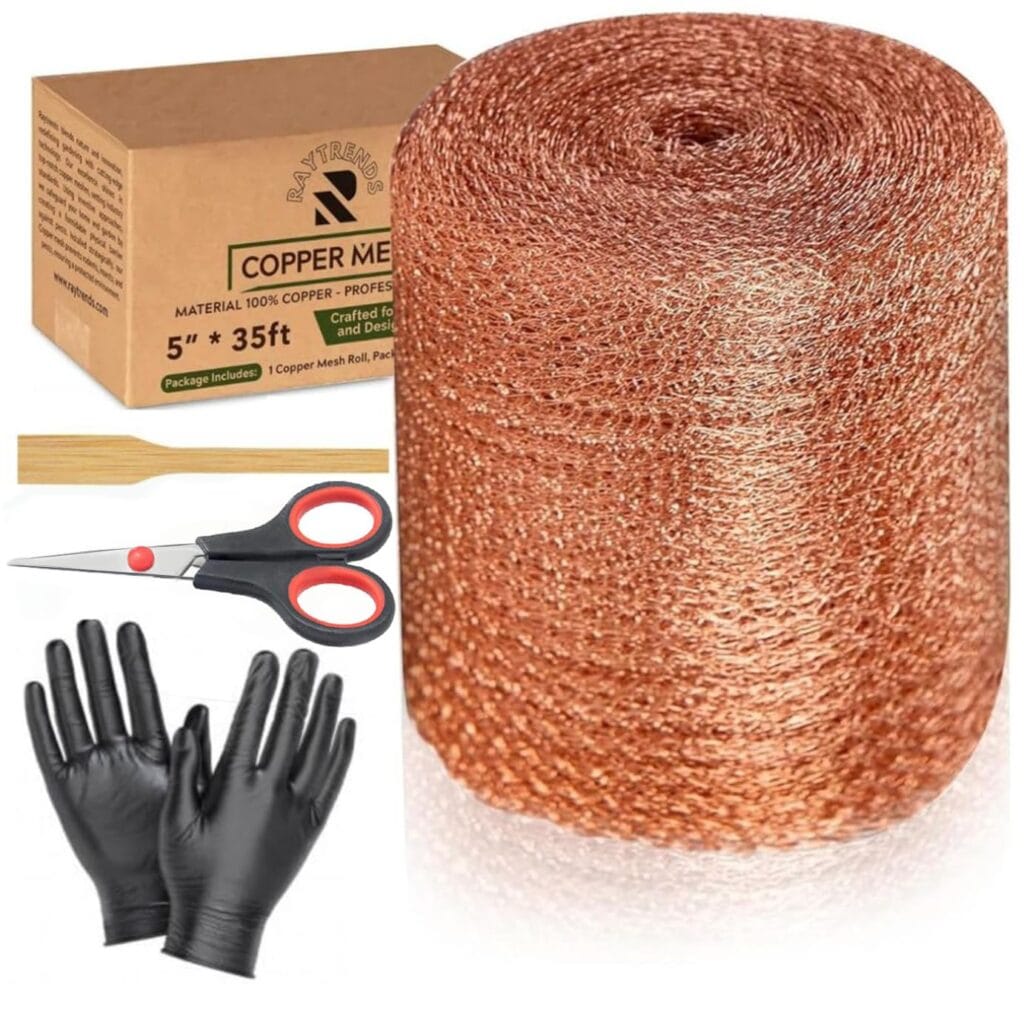
Copper Mesh Rodent Control Kit
Copper Mesh Rodent Control Kit includes 100% pure copper mesh roll plus gloves, scissors, and a handy packing tool for sealing gaps & cracks with a long‑lasting, rust‑proof barrier rodents can’t chew through. Flexible, and easy to pack tightly into wall creases and pipe penetrations, it provides a durable exclusion solution for blocking mice, rats, slugs, and other pests.
- Fire-resistant & rustproof
- Gloves & Scissors included
- Packing tool packs mesh deep into tight siding grooves where mice try to sneak in.
- Multi-pest protection
- Ideal for rodent exclusion around a/c line gaps

Available on Amazon!
High-Risk Entry Points to Inspect
Focus on:
- Plumbing penetrations
- Electrical penetrations
- A/C line entry points
- Gaps around outdoor faucets
- Foundation cracks
- Siding gaps
- Garage door seals
- Door sweeps
- Warped or damaged trim
These are the most common entry locations.
Inspect the Roofline (Even for Ground Rats)
Although Norway rats prefer ground-level entry, they can climb when necessary.
Check:
- Soffits
- Attic vents
- Roof returns
If you’re uncomfortable getting on the roof, hire a roofer for an inspection. It’s worth it.
Exclusion is the foundation.
If you skip it, the problem continues.
Step 2 — Trap Any Rats Still Inside
Once the house is sealed, remove the rats already inside.
Use:
- Snap traps
- Live traps (if preferred)
Avoid indoor baiting. Poisoned rats often die in walls or inaccessible areas, creating odor problems.
Proper Trap Placement (This Matters More Than Bait)
Norway rats travel with their bodies brushing along walls. Their whiskers help them navigate tight edges.
Place traps:
- Along walls
- Perpendicular to the wall
- With the trigger end closest to the wall
Traps placed in open areas are often ignored.
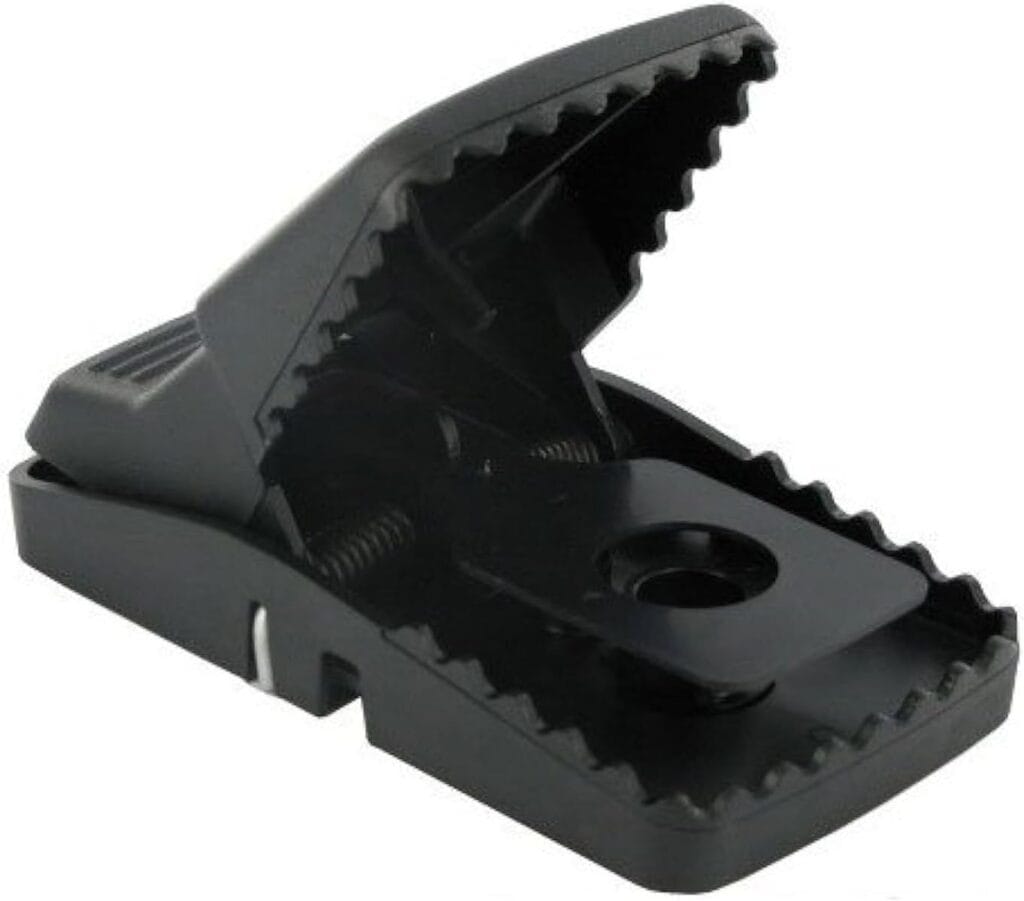
Bell Labs Trapper T-Rex Rat Trap (4 Traps)
The Bell Labs T‑Rex Rat Trap delivers professional‑grade snapping power with an easy, one‑handed squeeze‑to‑set design and a deep bait cup that holds Slim Jims or peanut butter securely while you place the trap. Its strong spring, serrated jaws, and reliable trigger make it one of the most effective and user‑friendly rat traps on the market.
- Easy One‑Handed Setup — Just squeeze until it clicks; no struggling, no pinched fingers.
- Deep Bait Cup — Holds Slim Jim pieces, peanut butter, or other baits without rolling or smearing.
- Powerful Snap Action — Strong spring and serrated jaws deliver fast, humane kills.
- Professional‑Grade Build — Durable enough for repeated use indoors or outdoors.
- Safe to Position — Set the trap first, then place it without your fingers near the jaws.
Available on Amazon!
Best Baits for Norway Rats
Two attractants consistently work well:
- Original Slim Jims
- Peanut butter
Both are high-protein, high-fat options that draw strong feeding response.
Sometimes They Leave on Their Own
Norway rats are intelligent.
If you block their normal exits:
- Keep garage doors closed
- Keep attic access sealed
- Leave one exterior door slightly cracked temporarily
They may exit on their own.
This doesn’t always work, but it’s worth trying before heavy trapping begins.
Step 3 — Install Outdoor Bait Stations
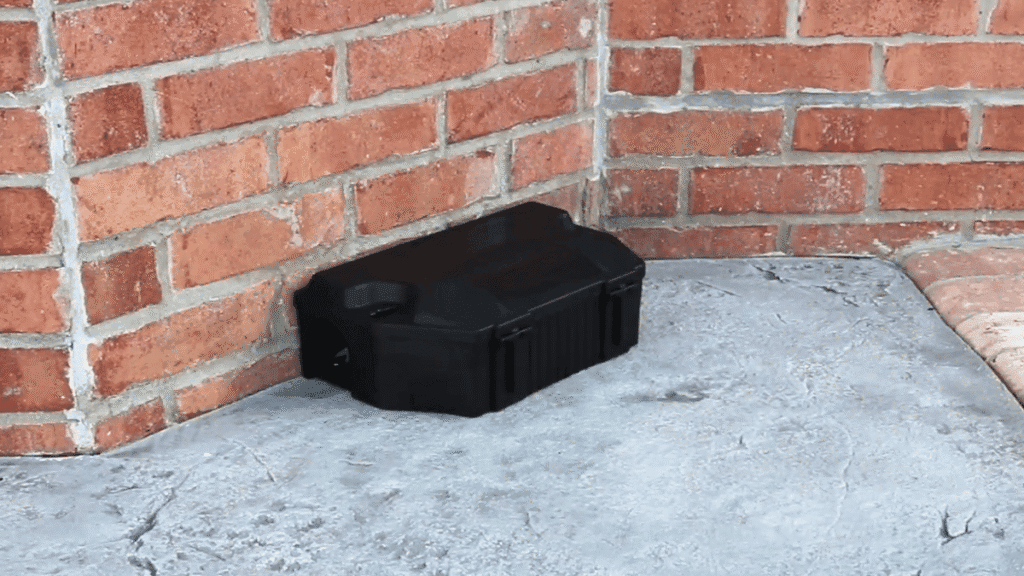
If you live in an area with steady rat pressure, outdoor bait stations help reduce the population before they reach your structure.
Proper Station Placement
- Along exterior walls
- Off the ground where water pools
- Protected from rain
- Away from sprinklers
Wet bait is ineffective.
Most homes require two bait stations. High-pressure areas may require more.
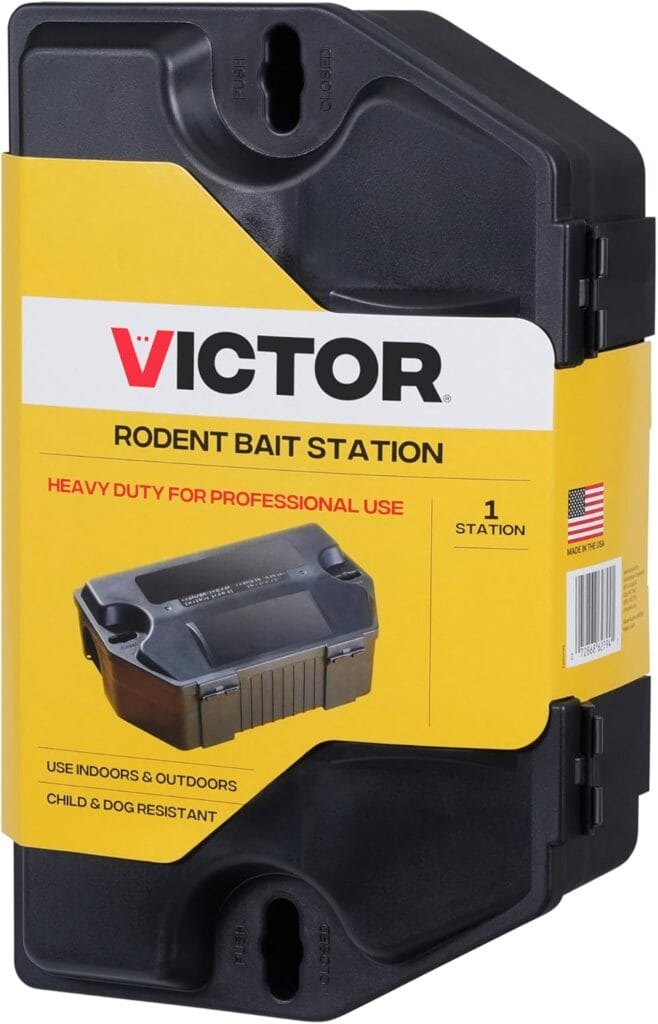
Victor Refillable Rodent Bait Station
This extra‑large Victor Refillable Rodent Bait Station holds multiple bait blocks, giving you a powerful, secure way to control infestations from the outdoors. Its dual‑entry design, locking lid, and heavy‑duty build make it a safe, reliable option for long‑term rodent control around your home.
- XL Capacity holds several bait blocks at once
- Locking, tamper resistant lid
- Heavy-duty construction
- Professional grade design
Available on Amazon!
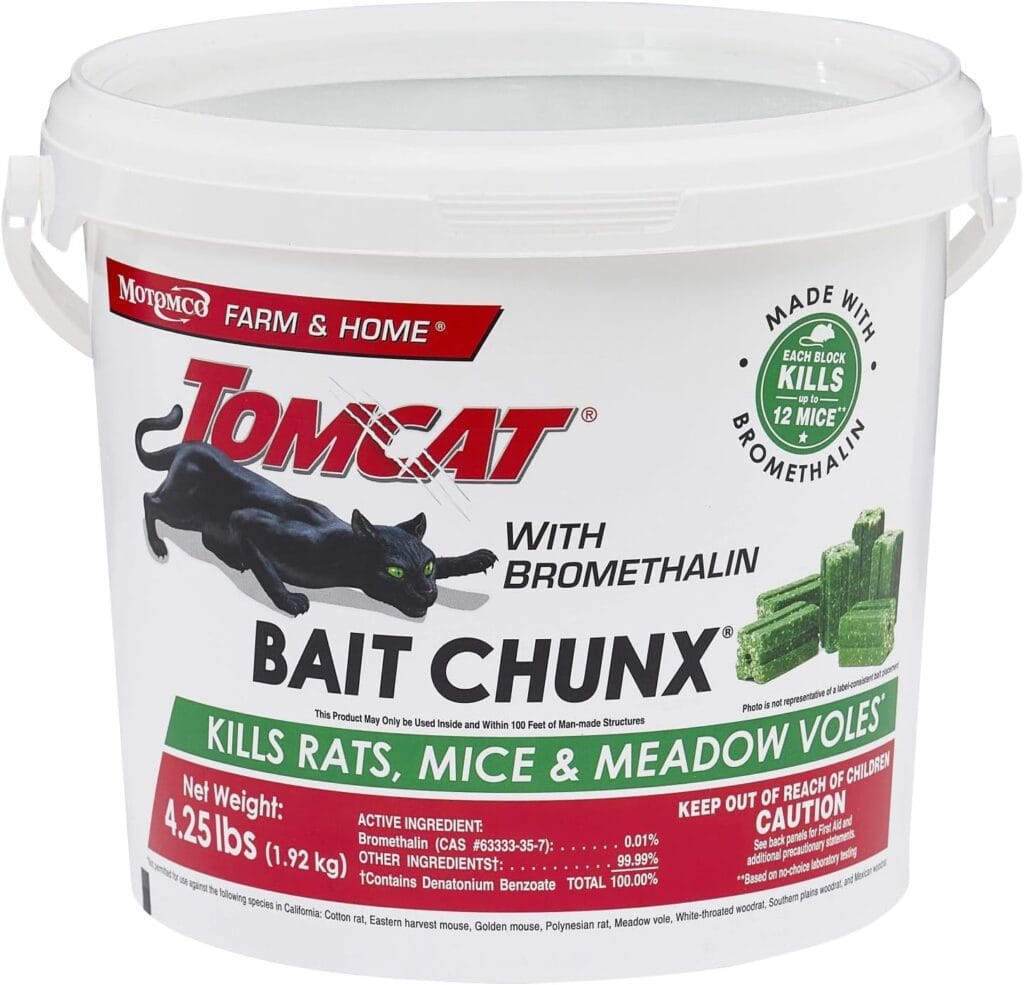
Tomcat Rodent Bait
Long‑lasting rodent bait, delivering dependable control of rats and mice even in damp, wet, or high‑moisture areas. Its weather‑resistant formulation holds up outdoors and begins working within a few days of consistent feeding.
- All-weather formula
- Kills in 4-6 days
- 4 lb pail
Available on Amazon!
Ongoing Maintenance
- Check stations monthly
- Refill bait as needed
Consistent maintenance keeps pressure low.
Norway Rat Prevention Tips
Once the rats are gone, prevention keeps them gone.
- Trim trees and branches away from the house
- Maintain garage seals and door sweeps
- Store pet food and bird seed in sealed containers
- Reduce clutter around the foundation
- Seal new gaps immediately
Small maintenance habits prevent future infestations.
Final Summary — Norway Rat Control That Works
Norway rats enter at ground level and exploit structural gaps.
The only lasting solution follows this sequence:
- Seal every hole ½ inch or larger.
- Trap remaining rats along walls.
- Use outdoor bait stations to control outside pressure.
- Maintain seals and remove attractants.
You don’t poison your way out of a Norway rat problem.
You seal it, trap it, and prevent it.
FAQ’s; Norway Rats
Identification & Behavior
What are the signs of Norway rats?
Common signs include large droppings (capsule‑shaped), gnaw marks on wood or plastic, scratching noises at night, burrows around the foundation, oily rub marks along walls, and damaged food packaging. Norway rats often leave dirt smudges where they travel.
How do I know if I have Norway rats vs. roof rats?
Norway rats are larger, heavier, and stay low to the ground. They nest in burrows, crawlspaces, garages, and foundations. Roof rats are slimmer, climb well, and prefer attics and rooflines. If you’re seeing activity at ground level or burrows near the home, it’s almost always Norway rats.
How big of a hole can a Norway rat fit through?
Norway rats can squeeze through openings ½ inch wide. Any gap that size or larger must be sealed during exclusion.
Why do Norway rats keep coming back?
Because the home isn’t sealed. Killing or trapping rats doesn’t stop new rats from entering. Long‑term control only happens when you exclude first, then trap.
Do I have Norway rats or just big mice?
Norway rats are much larger than house mice. Their droppings are bigger (capsule‑shaped vs. rice‑shaped), their heads are blunt, and their bodies are thicker and heavier. If you’re seeing large droppings, loud scratching, and damage to heavier materials like wood or plastic, you’re almost certainly dealing with rats, not mice.
Can Norway rats live in my garage or crawlspace only?
Yes. Norway rats often live in garages, crawlspaces, and under slabs without immediately moving into living areas. But they rarely stay “just outside” forever—once they’re comfortable, they explore, chew wiring, damage insulation, and eventually find their way inside.
Do Norway rats dig burrows around the foundation?
Yes. Norway rats are burrowers. They often dig tunnels along foundations, under slabs, under sheds, and near trash areas. Fresh soil, small holes, and worn “runways” in grass or dirt are strong signs of Norway rat burrows.
Can Norway rats chew through walls and wires?
Yes. Norway rats can chew through drywall, wood, plastic, and even some soft metals. They also chew electrical wiring, which can increase the risk of electrical issues or, in extreme cases, fire hazards. This is why fast action and exclusion are so important.
Will Norway rats attack pets or people?
Healthy Norway rats usually avoid direct confrontation with humans and pets. However, a cornered or handled rat can bite. The bigger risk is contamination from droppings, urine, and chewing—not active attacks.
How big is a Norway rat?
Think of a banana — about 6 to 8 inches long for the body, with a tail that brings the total length to 12 to 16 inches.
They’re significantly larger and heavier than mice and much more substantial than most people expect the first time they see one.
There’s also a quick identification trick using the tail: if the tail is shorter than the body, you’re almost certainly looking at a Norway rat. If the tail is longer than the body, it’s likely a roof rat or tree rat. That one observation alone can tell you which rodent you’re dealing with.
Where do Norway rats typically burrow outdoors?
They commonly burrow along canal & river banks, under old trees, and in areas that naturally have ground cover and soft soil — think mangroves, overgrown areas, and similar environments.
Around structures they’ll dig under slabs, driveways, and foundations. If you find fresh soil disturbance, small holes, or worn pathways in grass or dirt along any of these areas near your home, Norway rat burrows are a strong possibility.
Can Norway rats damage cars?
Yes — and this is a surprisingly expensive problem that catches people off guard.
Norway rats will get into engine bays and chew wiring, hoses, and other components, causing serious and costly damage. This is especially likely if you have a bird feeder, fruit tree, or garden near where you park — anything that drops food near your vehicle makes the car itself attractive as a harborage spot.
If you have a rat problem near your parking area, take it seriously. Moving bird feeders and cleaning up fallen fruit away from where you park can help reduce this risk significantly.
How fast do Norway rats reproduce?
Very fast. Norway rats reach reproductive maturity quickly and can produce up to 7 litters per year with an average of 8 pups per litter. On average about 56 but under ideal conditions they can make 12 pups per pregrancy bringing that total up to 84.
An untreated infestation can grow from a small number of rats to a serious population problem in a matter of weeks. This is one of the most important reasons to act quickly — the longer you wait, the larger and harder to manage the problem becomes.
Are Norway rats neophobic?
Yes — and this is really important for trapping success.
Norway rats are naturally suspicious of new objects in their environment. This means a freshly placed trap may be ignored for several days before they approach it. This is why pre-baiting — placing bait on an unset trap for a few days before setting it — can dramatically improve catch rates.
Don’t assume your traps aren’t working just because nothing happened the first night.
Can Norway rats swim and enter homes through drains or toilets?
Yes — Norway rats are surprisingly strong swimmers and are commonly associated with sewer systems partly because of this ability. They can navigate through drain pipes, which is why floor drains in basements and utility areas that don’t get used regularly are worth checking if you’re finding rats with no obvious entry point. Keeping those drain traps full of water by running them periodically blocks this route — the same advice that applies to cockroach prevention.
As for toilets — it can happen, but it’s genuinely rare. In over 20 years of pest control the only time it was ever encountered was in homes that had been evacuated for a hurricane. Nobody had used water in those homes for an extended period, and when floodwaters started rising the sewer system backed up and rats that were in the pipes found their way up through the toilet bowl. The combination of an empty drain trap, rising floodwater, and pressurized sewer lines created the perfect conditions for it. Under normal everyday circumstances with a regularly used toilet it’s extremely unlikely. But if you’ve evacuated your home for any extended period and return to find evidence of rats, it’s worth knowing this can happen.
Are Norway rats colorblind?
Yes. Norway rats have very poor vision and are colorblind. However their other senses — smell, hearing, touch, and taste — are extremely sharp.
This is why scent-based attractants like Slim Jims and peanut butter work so well, and why their whiskers are so important for navigation along walls.
Their poor eyesight is also why trap placement along walls is so critical — they’re navigating by feel, not sight.
Exclusion
How do I keep Norway rats from getting inside?
Seal every gap ½ inch or larger using copper rodent mesh. Check plumbing penetrations, electrical lines, A/C line entry points, siding gaps, foundation cracks, door sweeps, and garage seals. Use rodent‑resistant foam for large voids and cement or mortar for foundation gaps.
Why shouldn’t I use steel wool to block rat holes?
Steel wool rusts, breaks down quickly, and is flammable. Copper rodent mesh lasts longer, doesn’t rust, and is designed for rodent exclusion.
Do I need to check the roof for Norway rat entry?
Yes. While Norway rats prefer ground‑level entry, they can climb. Inspect soffits, attic vents, lifted shingles, and roof returns. If you’re not comfortable on a roof, hire a roofer for an inspection.
What materials should I use to seal rat entry points?
- Copper rodent mesh for holes
- Rodent‑resistant expanding foam for large gaps
- Cement or mortar for foundation cracks
- New door sweeps and garage seals if worn
Trapping Indoors
What’s the best way to trap Norway rats inside?
Use snap traps or live traps placed along walls. Position snap traps with the trigger end closest to the wall. Rats travel with their bodies brushing the wall, so placement matters more than bait.
What’s the best bait for Norway rats?
- Original Slim Jims
- Peanut butter
These high‑fat, high‑protein foods work extremely well.
How many traps should I use for Norway rats?
Use at least 6 traps, and 10–20 traps for heavy activity. More traps = faster results.
Can Norway rats leave on their own after exclusion?
Sometimes. Once you block their exits, rats may realize they’re trapped and leave through an open door. Leaving the garage door closed, attic access closed, and front/back doors cracked can sometimes encourage them to exit on their own.
Should I use glue boards for Norway rats?
No. Glue boards are inhumane and often lead to prolonged suffering. Homeowners may be forced to dispatch the rat themselves, which is extremely distressing. Snap traps or live traps are far more humane and effective.
Why shouldn’t I use rat bait inside my home?
Indoor baiting causes rats to die in walls, vents, and inaccessible areas, leading to odor and secondary pest issues. Always trap indoors and bait outdoors only.
How long does it take to get rid of Norway rats?
Most homes see a big reduction within a few days of aggressive trapping, but full control usually takes 1–2 weeks if exclusion is done correctly.
If the home isn’t sealed, the timeline stretches indefinitely because new rats keep entering from outside.
Can I get rid of Norway rats without killing them?
You can use live traps and release rats far from structures, but this doesn’t solve the root problem if the home isn’t sealed. Also, relocation rules vary by area. The most important part—whether you use live traps or snap traps—is exclusion so new rats can’t replace the ones you remove.
Are sticky traps good for catching Norway rats?
Sticky traps (glue boards) are not recommended for Norway rats. They cause prolonged suffering, and homeowners often end up in a situation they never wanted to deal with. When a large rat gets stuck, it doesn’t die quickly, and you may be forced to handle a very stressful and unpleasant scenario. Most people find this extremely upsetting.
Snap traps and live traps are far more humane, more effective, and give you a clean, quick outcome. For indoor rat control, stick with snap traps placed correctly along walls, or use live traps if you prefer a no‑kill option. Sticky traps don’t solve the problem faster — they just make it harder on you and the animal.
Outdoor Bait Stations
Should I use outdoor bait stations for Norway rats?
Yes, especially if you live in an area with natural rat pressure. Outdoor stations help reduce the population before they reach your home.
Where should I place outdoor bait boxes?
Place them:
- near sheds, garages, or cluttered areas
- along exterior walls
- away from standing water
- protected from rain
- away from sprinklers
How often should I refill rat bait stations?
Check and refill bait monthly, or more often if activity is high.
How many bait stations do I need?
Most homes only need two, but high‑pressure areas may need more.
Prevention & Long‑Term Control
How do I prevent Norway rats from coming back?
Maintain all seals, repair door sweeps, keep vegetation trimmed, store food in sealed containers, and reduce clutter around the foundation. Use outdoor bait stations if needed.
Do trees touching the house attract rats?
Yes. Overhanging branches give rats easy access to the roofline. Keep trees trimmed at least 3 feet away from the home.
Do bird feeders attract Norway rats?
Yes. Spilled seed is a major attractant. Keep feeders far from the home or use catch trays to reduce spillage.
Do chickens attract rats?
Yes. Chicken feed and spilled grain draw rats. Store feed in sealed containers and keep the coop area clean.
Will Norway rats go away in the summer?
No. Activity may shift outdoors during warm months, but they return as soon as temperatures drop or food becomes scarce.
How many Norway rats are usually in a home?
If you see one rat, assume there are more. Norway rats reproduce quickly, and most infestations involve multiple individuals.
Can a weighted car cover protect against rats chewing wires?
Yes — and it needs to touch the ground all the way around to form a seal.
A cover that leaves gaps underneath is less effective. This is especially worth considering if you park near a fruit tree, bird feeder, or garden that drops food near your vehicle, since those attractants can make your car a target.
Health, Safety & Sanitation
What diseases can Norway rats spread?
Norway rats are associated with a long list of serious diseases.
Hantavirus is one of the most well known — a respiratory disease that can be fatal and is transmitted through contact with rodent droppings, urine, or nesting material, or by breathing in disturbed particles.
Leptospirosis is another serious concern, spread through rat urine contaminating water or soil.
Rats also carry fleas, and those fleas can transmit diseases of their own — including plague, which still exists in parts of the United States.
The danger is real and the risk increases significantly the longer an infestation goes untreated. If you have rats living in your home, treating the problem promptly is a genuine health priority.
Are Norway rats dangerous?
They can carry bacteria and pathogens, but the bigger issue is contamination from droppings and urine. Proper cleanup and exclusion reduce the risk significantly.
How should I clean up rat droppings?
Wear gloves, spray droppings with disinfectant, let it soak, then wipe. Never sweep or vacuum dry droppings — it can aerosolize particles.
Do ultrasonic rat repellents work?
No. Rats quickly adapt to the sound. These devices don’t block entry points or reduce the population. Exclusion and trapping are the only reliable methods.
Can Norway rats spread fleas and ticks to my pets?
Yes. Like mice, Norway rats carry fleas, and a rat infestation near or inside your home means your dogs and cats are going to be exposed. Fleas from rats can transmit diseases including murine typhus and in rare cases bubonic plague still exists in parts of the United States. If your pets have persistent flea problems you can’t explain, a nearby rat population could be the source. Solving the rat problem is part of solving the flea problem.
Wildlife, Snakes & Safety Concerns
Can rodent bait stations attract snakes?
Not directly — but there’s an important connection homeowners should understand.
Outdoor bait stations are placed along walls and in areas with high rodent activity, and those same areas are prime hunting ground for snakes that prey on rodents. Ambush feeding snakes patrol the same routes that rats travel; because they can smell that rodents frequent that area. In some parts of the country — particularly areas of Arizona, California, and Texas — rattlesnakes and other venomous species are a real possibility around active rodent areas.
Snakes that eat other snakes, like kingsnakes and coachwhips, can also show up for the same reason — they follow the food chain right to your bait station.
In most areas this is simply something to be aware of rather than alarmed about. But if you live in an area with significant venomous snake populations, consider placing bait stations toward the edges of your property or in more open areas away from your front door and main entry points.
How should I safely check a Norway rat bait station?
Always open the lid away from your body.
If a snake has taken shelter inside or directly beside the box, opening it toward you gives it a path in your direction. Opening it away from you gives the snake an exit route away from you. This simple habit takes no extra effort and can prevent a very unpleasant surprise.
Never reach inside a bait station without looking first.
Can birds of prey be harmed by eating poisoned rats?
Yes — and this is a serious concern worth knowing about.
Raptors including hawks, owls, and eagles are at significant risk from secondary poisoning when they eat rats that have consumed rodenticide. Unfortunately almost all rodent baits pose some risk to birds of prey.
Second generation anticoagulant rodenticides — known as SGARs — are the worst offenders, accumulating in tissue and causing severe toxicity in raptors.
First generation anticoagulants like warfarin and coumatetralyl are slightly less toxic but still dangerous to birds of prey.
If you find a dead rat in your yard, don’t leave it lying there. Pick it up with a shovel, place it in a plastic bag, and dispose of it in the trash. This one simple step removes it from the food chain and protects any raptors hunting in your area.
Owls in particular are extraordinary natural rat predators — a single barn owl family can consume hundreds of rodents per year. Protecting them is genuinely in your best interest as a homeowner dealing with rat pressure.
PROTECTING YOUR VEHICLE FROM NORWAY RATS
Why do people in the Southwest leave their car hoods open?
If you’ve ever parked at a campground or neighborhood in the desert Southwest and noticed people leaving their hoods up overnight, now you know why — rats. This is a well established practice in areas of Arizona, California, Texas, and other parts of the Southwest where packrats and other rodents are a serious problem, but the logic applies anywhere rats are active.
Rodents are strongly drawn to engine compartments because they’re warm, dark, enclosed, and full of materials to chew and nest in. Opening the hood removes that sense of enclosure and safety they’re looking for. It lets in light, allows the engine heat to dissipate faster, and makes the space feel exposed and unsafe to a rodent that depends on darkness and cover for survival. A rat looking for a nesting spot will move on to somewhere that feels more protected.
It’s not a perfect solution — newer vehicles with engine covers and shrouds still offer hiding spots even with the hood up — but it’s a simple, free deterrent that genuinely helps, especially combined with other prevention steps. Some people take it further by hanging a utility light under the open hood at night to maximize light exposure. If you do this, use a yellow bug bulb to avoid attracting insects, and if high winds are possible make sure to secure the hood with a strap.
This practice is most common in the desert Southwest but the principle applies anywhere rats are active near where you park.
Are modern car wires more attractive to rats than older vehicles?
This is genuinely debated but worth knowing about. Many modern vehicles use wiring insulation made from soy-based or other plant-derived materials as an eco-friendly alternative to petroleum-based plastics. A significant number of mechanics, vehicle owners, and pest professionals believe this has made newer vehicles more attractive to rodents — and there are active class action lawsuits against some manufacturers on exactly this basis. Honda has even released a capsaicin-treated rodent deterrent tape specifically designed to wrap around wiring harnesses to address the problem.
That said, rodents have been chewing car wires since the first automobile rolled off the line — long before soy wiring existed. The truth is probably somewhere in the middle: rodents chew wires because they need to keep their teeth trimmed and because engine compartments make attractive shelter, but soy-based insulation may make newer vehicles a more appealing target than older ones. Either way the damage can run into the thousands of dollars and is often not covered under warranty.
What are the best ways to protect my car from rat damage?
A combination of approaches works best. Leaving your hood open at night removes the enclosed shelter rats are looking for. Placing snap traps on the tops and bases of your front tire treads — where rats commonly travel to access the engine — can intercept them before they get inside. Moving your vehicle regularly helps too since rats prefer vehicles that sit stationary for long periods. Removing bird feeders, fruit trees, and food sources near where you park eliminates the attractant that brings rats close to your vehicle in the first place.
For the wiring itself, Honda sells a capsaicin-treated rodent deterrent tape that wraps around wiring harnesses and deters chewing. Peppermint oil applied to cotton balls placed in the engine compartment can help but needs to be refreshed regularly as the scent fades. Note that peppermint oil is toxic to pets so keep that in mind if animals have access to your engine bay.
If you suspect rats have already been in your vehicle, have a mechanic inspect the wiring before driving — chewed wires can cause short circuits, system failures, and in serious cases fire hazards.
Can rat damage to my car be covered by insurance?
Rat damage to vehicles typically falls under comprehensive coverage rather than standard collision coverage. If you carry comprehensive insurance it’s often worth filing a claim but here’s something critically important that most people don’t know: contact your insurance company and figure out your coverage situation BEFORE you authorize any repairs. If you authorize the repair first and then try to file a claim, you may find yourself on the hook for the entire bill. Let the insurance process start first, get an adjuster involved, and understand what’s covered before a mechanic touches anything. Some, though not all insurance companies will jump at any opportunity to avoid paying a claim so protect yourself.
Here’s the other hard reality about rat damaged wiring — if a significant portion of the wiring harness has been chewed, the vehicle may well be a total loss unless it’s a fairly new car with high market value. Replacing or repairing a wiring harness is an enormous job. The harness runs throughout the entire vehicle and accessing, diagnosing, and repairing chewed sections requires extensive labor hours. On an older vehicle or one with moderate market value, the repair cost can easily exceed what the car is worth. An insurance adjuster needs to make that determination — not a mechanic who has already started tearing into your vehicle.
If you suspect rats have been in your vehicle, have a mechanic do a visual inspection only first, don’t authorize full repairs, call your insurance company, and let the process work the way it’s designed to before anyone starts billing you for labor.